
Last updated November 4, 2026
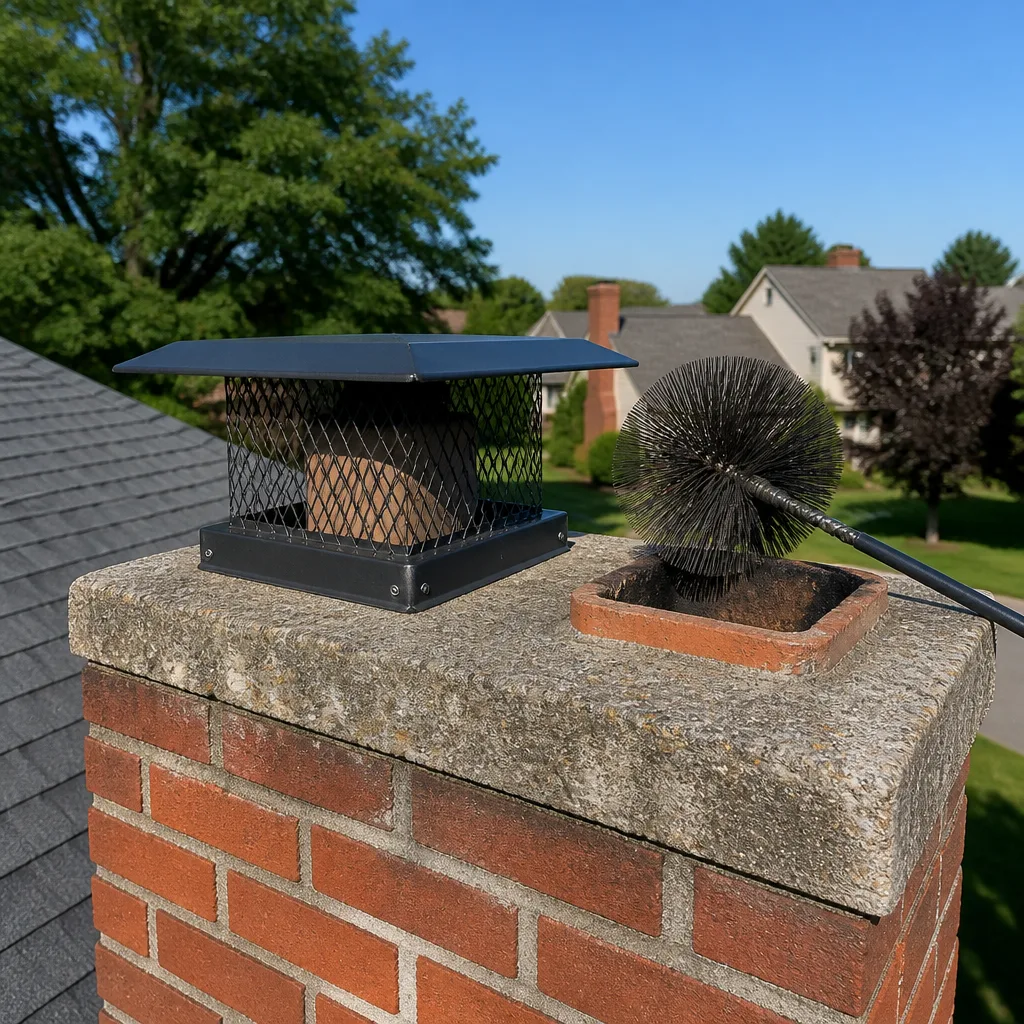 Sweep & inspection
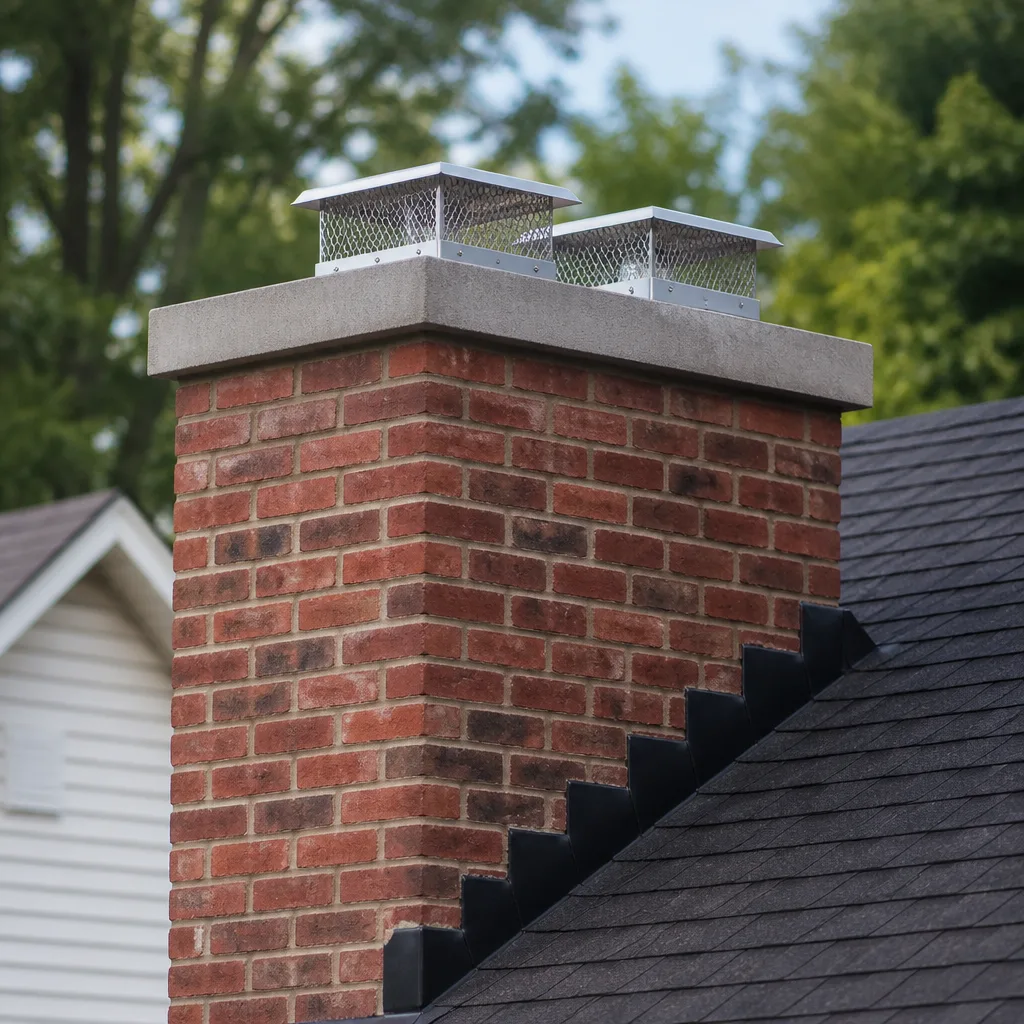 Caps & crowns
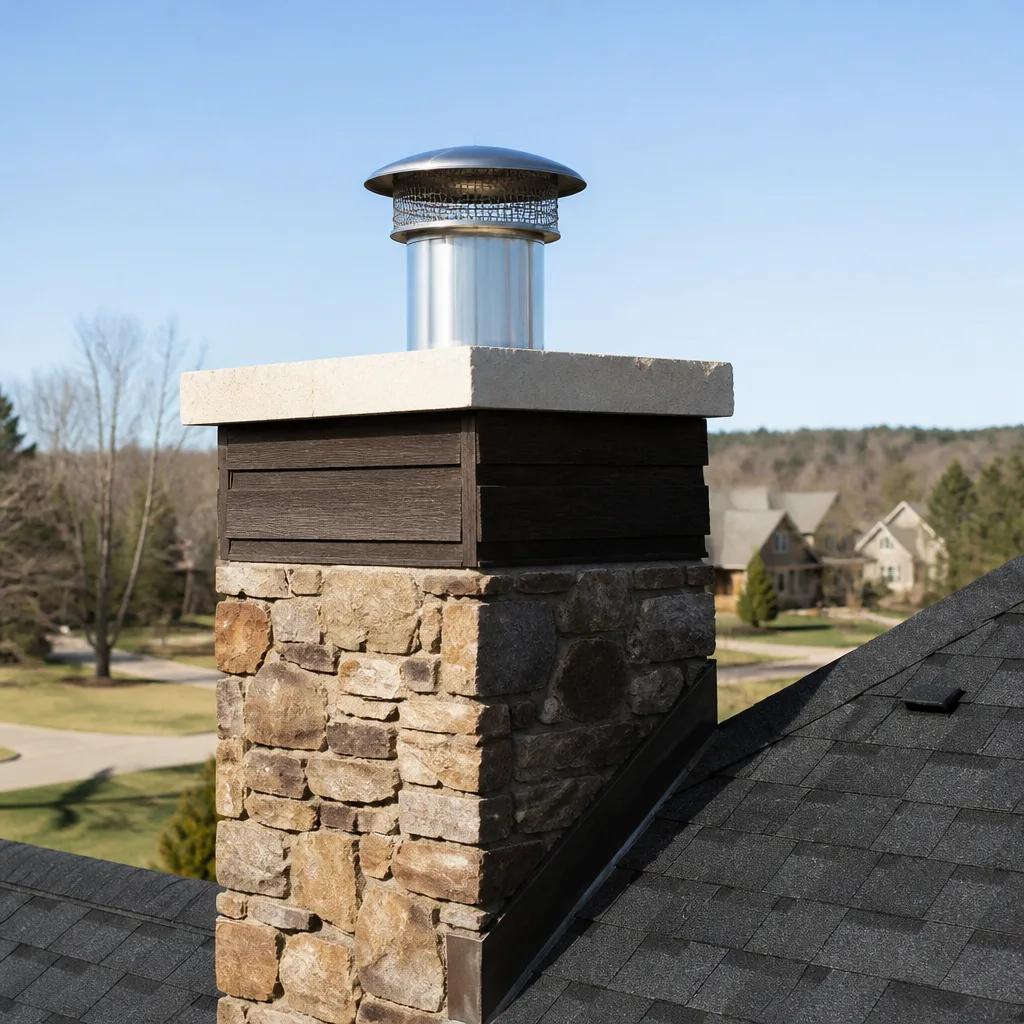 Flue relining
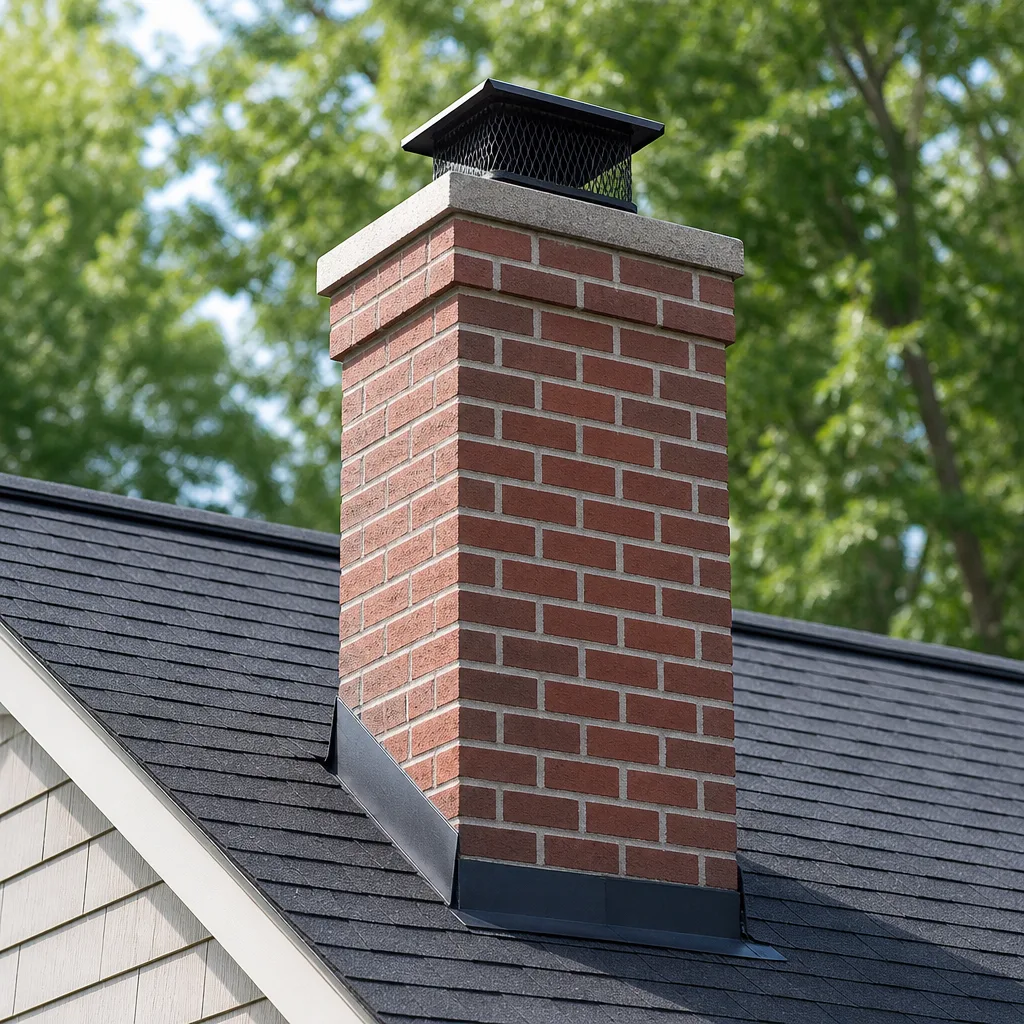 Masonry repair
 Gas fireplace service
Level 1 sweep and inspection to the NFPA 211 annual standard - flue, crown, cap, and flashing checked and photographed
Chimney sweep logs do not sweep chimneys. They loosen some creosote - which then falls where a brush and vacuum still have to collect it.
How to Hire a Chimney Cleaning Contractor in Lake Elsinore: A Step-by-Step Guide
Most homeowners in Lake Elsinore don’t realize they’re hiring two different jobs when they book a chimney cleaning. The first job is removing soot and creosote, which any competent crew with a brush can do. The second job, the one that actually matters for your safety, is recognizing what the cleaning reveals: cracks in the flue liner, deteriorated mortar, improper clearances, or venting that was never right to begin with. A contractor who only does the first job leaves you with a clean chimney that’s still dangerous. This guide teaches you how to find a contractor who does both, because the difference between those two categories of companies is where house fires start.
Quick Answer
To hire a chimney cleaning contractor in Lake Elsinore, verify their California C-61 specialty license and CSIA certification, ask five diagnostic questions that separate cleaning-only operators from full-service chimney specialists, request a written inspection report with photographic evidence, and compare quotes based on what each contractor actually includes – a Level 1 inspection should be standard, not an add-on. Then call (833) 589-9415 for a free estimate from a contractor who carries professional-grade repair materials like HeatShield and DuraFlex, not just brushes.
Styles & brands we work with
- Sweep & inspection
- Caps & crowns
- Flue relining
- Masonry repair
- Gas fireplace service
Table of Contents
- Step 1: Verify Credentials Before You Book
- Step 2: Ask Five Questions That Reveal Technical Depth
- Step 3: Walk Through the Property Together
- Step 4: Insist on a Written Inspection Report
- Step 5: Compare Quotes the Right Way
- Step 6: Watch for Lake Elsinore Market Red Flags
- Step 7: Know What Happens After the Cleaning
Step 1: Verify Credentials Before You Book
California regulates chimney work through the Contractors State License Board, and the classification that matters here is C-61, which covers limited specialty trades. A chimney cleaning falls under this license class. What many Lake Elsinore homeowners don’t realize is that a general contractor license or a handyman registration does not authorize chimney work in the same way, and it certainly doesn’t prove the person holding it has specific training in venting systems.
So before you book anyone, ask for their license number and verify it on the CSLB website. This takes about sixty seconds and tells you three things: the contractor is licensed in California, the license is active, and the classification matches the work. A legitimate chimney specialist in the Inland Empire will give you this number without hesitation. A company that hesitates is telling you something.
The second credential to look for is CSIA certification. The Chimney Safety Institute of America certifies individual technicians, not companies, so when you ask about certification, you’re asking whether the person who shows up has passed an exam on fire codes, venting principles, and inspection standards. Not every qualified sweep carries this credential, but it’s the industry’s clearest signal of formal training. We’re not going to pretend it’s the only marker of competence, but when a company can’t answer the question directly, that’s a useful data point.
Here’s a simple verification checklist:
- Ask for the California contractor license number and verify it online at the CSLB website
- Confirm the license classification includes chimney or venting work
- Ask whether the technician who will arrive is CSIA certified
- Request proof of insurance before anyone climbs onto your roof
- Check for a physical business address in Riverside County, not just a P.O. box or cell phone
Lake Elsinore sits in a region where a lot of contractors work across the Inland Empire, and there’s nothing wrong with a company based in Murrieta or Temecula serving this area. The concern is a company with no verifiable local presence at all. A physical address gives you somewhere to go if something goes wrong. It’s that simple.
Step 2: Ask Five Questions That Reveal Technical Depth
This is the step that separates a real chimney specialist from a cleaning-only operator. When you call to book, most companies ask for your address and availability. A specialist asks about your system first. The questions below aren’t a quiz you should run through in order – slip them into the conversation naturally. What you’re listening for is whether the person on the phone can answer with specifics or defaults to vague reassurances.
Here are the five questions, with what a strong answer sounds like:
Question 1: “What kind of liner do you expect to find in a home built in my year?”
A specialist will tell you that homes in Lake Elsinore built before the 1980s often have clay tile liners, which crack over time from heat stress, and that many older homes have no liner at all or an unlined masonry flue. They’ll explain that the liner material determines what cleaning methods they can use and whether the chimney is safe to operate. A cleaning-only operator will say something like “we’ll see when we get there.” That’s not wrong, but it reveals the cleaning is all they plan to do.
Question 2: “What happens if you find damage during the cleaning?”
This is the question that matters most. A company that handles repair work will describe their process: they’ll document the damage with a camera, show you the images, explain your options, and quote the repair before leaving. A cleaning-only company will hand you a list of problems and a recommendation to call someone else. You’re hiring twice for the same job. In our experience, this is the single biggest reason Lake Elsinore homeowners end up paying more than they expected – they hire a cleaner who finds damage, then hire a repair specialist anyway. A chimney sweep who can also repair means one call covers both.
Question 3: “Does your cleaning include a Level 1 inspection?”
This is non-negotiable. A Level 1 inspection is the standard assessment performed when a system is being serviced under the same conditions as its last service. It covers the readily accessible portions of the chimney, the basic appliance and flue connections, and verifies the system is free of obstructions and combustible deposits. If a company quotes a cleaning without mentioning the inspection, ask whether it’s included. If it’s an add-on, compare that price against companies that include it by default.
Question 4: “Do you carry repair materials on the truck, or do you have to order them?”
This is a practical question with real consequences. A company that stocks professional-grade chimney repair products can often address minor findings the same day. A company that has to order everything will schedule a return visit, which means time off work for you and a longer window where your chimney sits in disrepair. We keep HeatShield resurfacing materials and Gelco caps on hand because repair findings are common enough in Lake Elsinore that it makes no sense to wait. When a contractor works with brands like HeatShield and Olympia Chimney, it’s a signal they handle repair work regularly, not as an afterthought.
Question 5: “Can you show me the camera footage while you’re here?”
If the answer is anything but yes, that’s a red flag. Camera inspection is standard practice for a legitimate chimney company in 2026, and the images should be part of your written report. A contractor who says they don’t use cameras or charges extra for the footage is asking you to trust their verbal description of the inside of your chimney. You should never have to take anyone’s word for what’s happening inside your flue.
Step 3: Walk Through the Property Together
When the contractor arrives, expect them to want to see the fireplace or stove before they start, and expect to be part of that conversation. A specialist will ask about how you use the fireplace: how often you burn, what kind of wood, whether you’ve noticed smoke backing up into the room, whether there’s an odor when the wind blows from certain directions. These questions aren’t small talk. They’re diagnostic.
Lake Elsinore’s climate shapes some of these answers. Winters here are mild compared to the mountains, which means many fireplaces in this area are used recreationally rather than as primary heat sources. That pattern creates a specific creosote profile: less total volume than a full-time heating chimney, but often stickier deposits because fires burn at lower temperatures. A knowledgeable contractor will recognize that and adjust their approach.
The walkthrough should cover:
- Visual inspection of the firebox for cracks in the refractory panels or firebrick
- Check of the damper for smooth operation and proper sealing
- Examination of the chimney crown and cap from the roof
- Assessment of clearances around the fireplace opening
- Discussion of any changes in performance you’ve noticed
This is also the moment to mention if you have a dryer vent that hasn’t been cleaned recently. A dedicated chimney company in Lake Elsinore that also performs dryer vent cleaning can handle both fire hazards in one visit. The NFPA identifies dryer vents as a leading cause of home fires, which means the same guy on your roof checking your chimney can spend twenty minutes checking your dryer exhaust. That’s a logical pairing, not an upsell.
Step 4: Insist on a Written Inspection Report
Verbal findings after a cleaning are worthless to you. Not because the contractor is lying, but because you can’t act on information you can’t review. A proper written report gives you a record of the chimney’s condition at a specific point in time, which matters if you sell the house, file an insurance claim, or want to compare against next year’s inspection.
What should the report include? At minimum:
- Date of service and the name of the technician who performed the work
- Description of the chimney system: construction type, liner material, flue dimensions
- Notes on creosote accumulation, including stage and thickness where relevant
- Photographic documentation from the camera inspection
- Any defects found, with severity ratings so you can prioritize
- Recommendations for repair, phrased so you understand what’s urgent versus what can wait
- Clearance to operate, or a clear statement that the system should not be used until repairs are made
The photographic portion matters more than homeowners realize. A company that includes camera stills in the report is giving you evidence you can verify yourself. When a contractor says “your liner is cracked” and shows you a photo of a hairline separation running vertically through the flue, you can see it. When they say “you need a new liner” and that recommendation is backed by images, you can make an informed decision about whether to invest in a product like DuraFlex flexible liner or explore a resurfacing option with HeatShield. If there are no photos, you’re taking someone’s word for it, and that’s not a position you want to be in when the repair quote is four figures.
A note on liability: a written report protects both parties. For you, it’s documentation of what was found and recommended. For the contractor, it’s a record that they informed you of hazards. Any company that refuses to provide a written report or dismisses the request as unnecessary is not a company you should let near your chimney.
Step 5: Compare Quotes the Right Way
When you’re comparing chimney cleaning quotes in Lake Elsinore, you’re almost never comparing the same service. One company quotes $149 for a cleaning, another quotes $229 for a cleaning with a Level 1 inspection, a third quotes $289 for a cleaning with inspection, camera documentation, and minor cap adjustment. Is the first one cheaper, or just less complete? The only way to know is to ask what’s included and verify the credentials behind each quote.
A rule of thumb: if the scope of work is identical, the cheaper quote should win. But when the scope is different, the comparison requires some homework.
Here’s a clean way to think about it:
- Cleaning only: soot and creosote removal, nothing else. Least thorough, least diagnostic value.
- Cleaning with Level 1 inspection: the industry standard. Verifies the system is safe to operate.
- Cleaning with inspection and camera report: adds photographic evidence you can review.
- Cleaning with inspection, camera report, and repair capability: one call covers everything found.
Some companies in the Inland Empire market advertise aggressively low prices for a basic cleaning and then charge extra for the inspection, the camera, and any minor findings. That’s not a scam, exactly, but it’s a pricing structure designed to win the phone call rather than deliver a complete service. We’d rather tell you the full price upfront and let you compare on actual value.
For homeowners in Lake Elsinore, the climate and local construction patterns shape what a typical inspection finds. Homes in the older neighborhoods around the lake tend to have masonry fireplaces with clay tile liners, many of which are now decades past their service life. Homes in the newer subdivisions east of the lake often have factory-built fireplaces with air-cooled pipe and more complex clearances. A contractor who serves this area regularly knows those differences and prices accordingly. A contractor driving in from outside Riverside County may not.
Step 6: Watch for Lake Elsinore Market Red Flags
The Inland Empire contractor market is competitive, and some of the competition isn’t particularly professional. Here are the warning signs we’d tell a friend to watch for:
- Out-of-area crews with no local address. A company running crews into Lake Elsinore from Los Angeles or San Diego County isn’t necessarily bad, but they’re also not accountable to the local market. If something goes wrong, they’re an hour away and you may never see them again.
- Door-to-door sweep offers. Legitimate chimney companies don’t go door to door. If someone knocks on your door in Lake Elsinore offering a $49 special, that’s a pressure tactic, not a business model. The people doing this are rarely licensed, and the crews they send are often transient labor with minimal training.
- No physical business address in Riverside County. A P.O. box, a cell phone, and a website don’t constitute a business you can hold accountable. Check for a real address you could visit if you needed to.
- Quotes given without any questions about your system. If you call and get a price in under a minute without anyone asking what kind of fireplace you have, how tall the chimney is, or when it was last serviced, you’re talking to a call center, not a chimney company.
- Pressure to sign immediately. Reputable chimney work doesn’t use high-pressure sales tactics. A contractor who says the price is only valid if you book today is trying to prevent you from comparison shopping. That’s a signal to comparison shop harder.
- Refusal to provide license or insurance information. This shouldn’t need explanation. If they won’t give you the number, they don’t have one, or they don’t have one that’s valid.
These red flags cluster together. A company doing door-to-door offers is likely also unlicensed and working without insurance. An out-of-area crew with no local address is likely running on thin margins and may cut corners. You don’t need to be suspicious of every contractor, just the ones who can’t answer basic questions about who they are and what they’re authorized to do.
Step 7: Know What Happens After the Cleaning
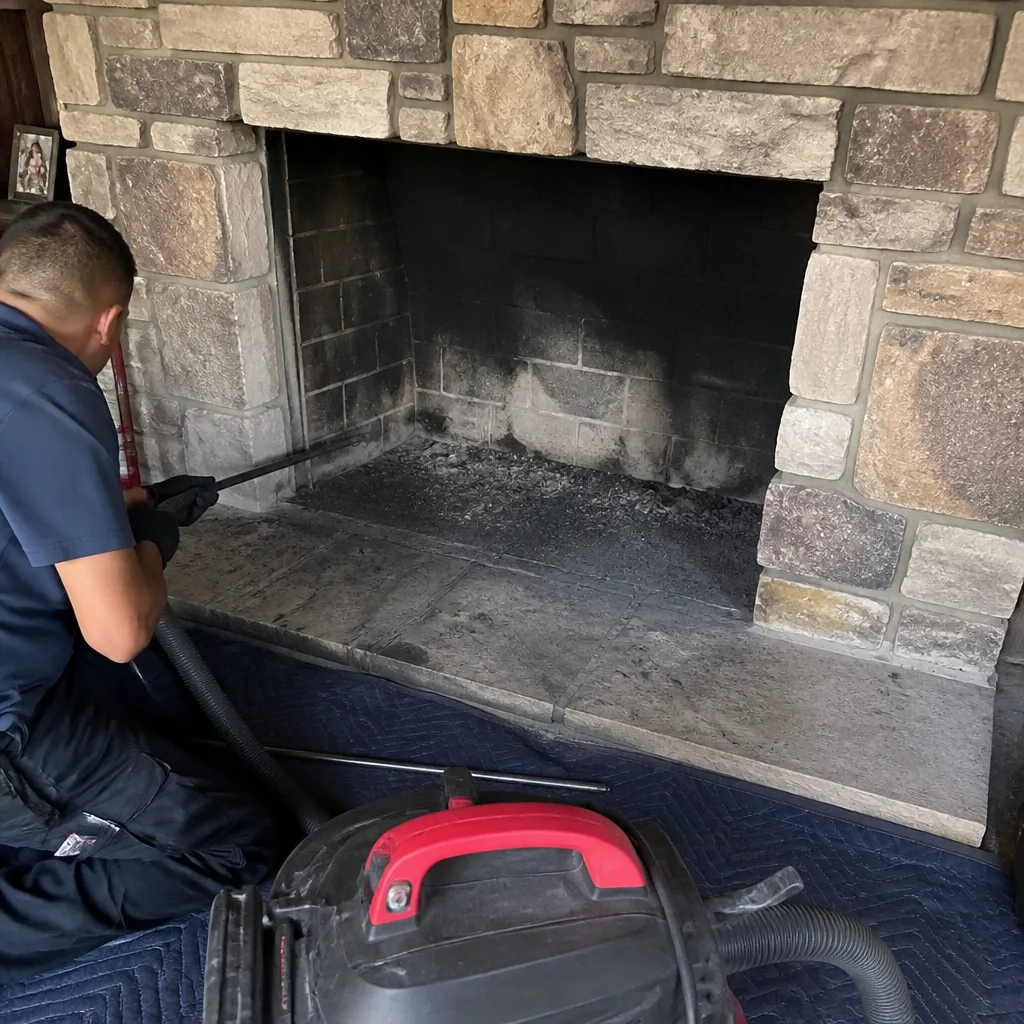
The cleaning itself is straightforward: brushes and specialized vacuum equipment remove creosote and soot from the flue, the smoke chamber, and the firebox. What happens afterward is where the value of hiring the right contractor becomes clear.
If the inspection finds no issues, you’ll get a written report saying the system is clear and safe to operate. That’s the best-case scenario, and it’s worth filing away for next year’s comparison.
If the inspection finds creosote buildup beyond what brushing can safely remove, a specialist may recommend a more aggressive approach or discuss whether the buildup pattern suggests a burning habit change is needed. In Lake Elsinore, where many fireplaces see intermittent recreational use, the fix is often as simple as burning hotter, faster fires with seasoned wood rather than the slow smolder that produces sticky, stage-three creosote.
If the inspection finds structural damage to the liner, that’s a different conversation. Cracked clay tiles can’t be repaired – but the flue can often be restored without a full rebuild. HeatShield ceramic resurfacing, which we apply for homeowners throughout the Inland Empire, restores the flue’s inner surface without removing the existing masonry. That’s a significant advantage when the alternative is tearing out and rebuilding a chimney, a job that runs into the tens of thousands of dollars and disrupts your home for weeks. When resurfacing isn’t the right call, a DuraFlex flexible liner can be installed to create a safe new venting path through the existing chimney.
And here’s the calm version of the safety message: a damaged flue liner means combustion gases, including carbon monoxide, can leak into your home. You can’t see it, and you can’t always smell it. This is not a scare tactic; it’s a physical fact about how chimneys work. A properly functioning chimney vents those gases outdoors. A damaged one may not. Given that the repair is almost always less expensive than the consequences of ignoring it, prompt action is the rational choice.
Throughout this process, the contractor should be explaining what they’re finding and what it means, in plain English, with evidence to back up their recommendations. That’s what “inspect, then advise” looks like in practice, and it’s the standard you should hold every chimney professional to.
Common Mistakes to Avoid
- Hiring on price alone. A cheap cleaning that misses a cracked flue liner is the most expensive chimney service you’ll ever buy. In Lake Elsinore, where older homes around the lake often have aging clay tile liners, the inspection is where the value lives, not the brushwork.
- Accepting verbal findings without documentation. If the contractor finds a problem but won’t show you photos or provide a written report, you have no way to verify the claim and no record for future reference.
- Ignoring the license question. California requires a C-61 specialty license for chimney work. A handyman who “does chimneys on the side” isn’t authorized to do this work, and if they damage your roof or your chimney, their insurance likely won’t cover it because they weren’t licensed for the job.
- Waiting to schedule until burning season is in full swing. The best time to have your chimney swept in Lake Elsinore is before the weather turns cool enough for regular fires. Scheduling ahead means you’re not competing for calendar slots in November and December.
- Treating the dryer vent as a separate project. Dryer vents are one of the leading causes of home fires, and a company that handles chimneys and dryer vents can address both in a single appointment. Splitting them means two service calls and two vendors to vet.
- Letting a door-to-door offer rush the decision. A $49 chimney cleaning from a stranger at your door in Lake Elsinore is either a loss leader designed to upsell you aggressively or the work of an unlicensed crew. Either way, it’s not a good deal.
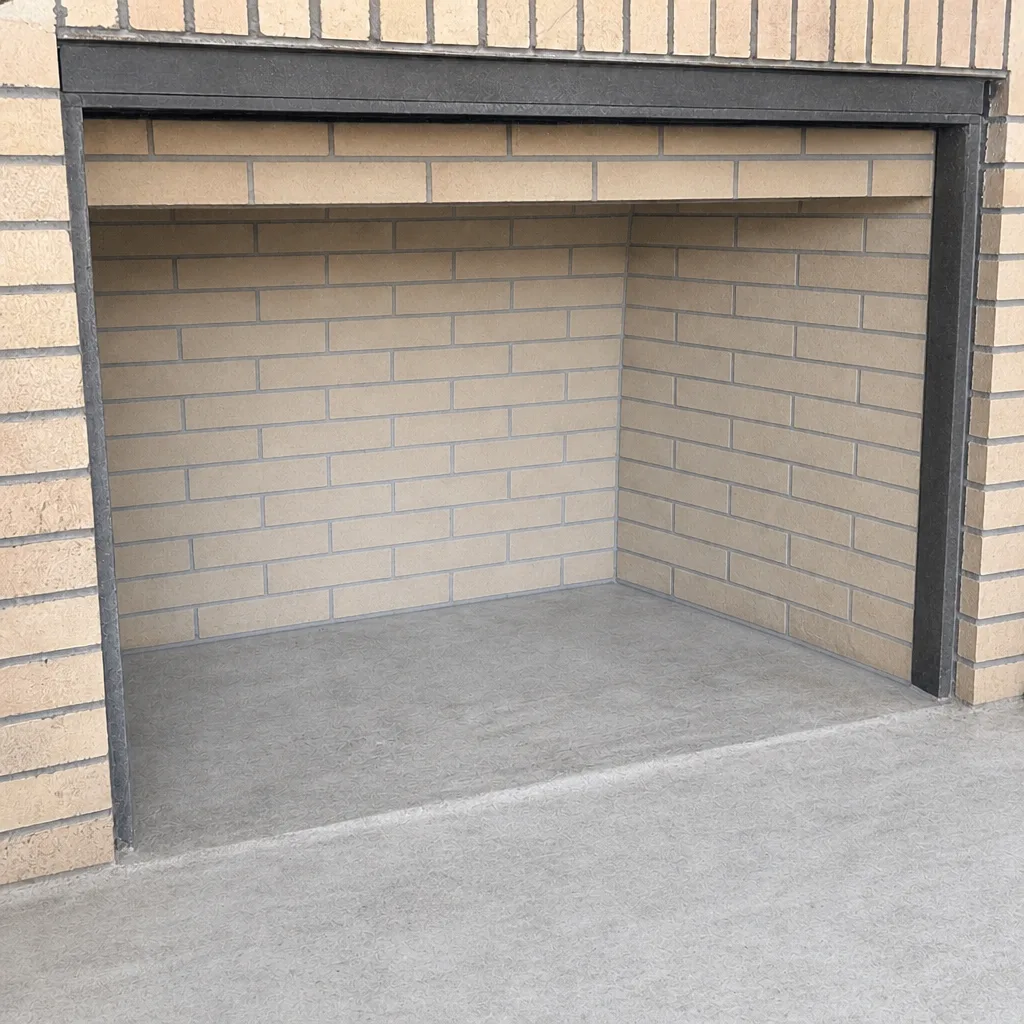
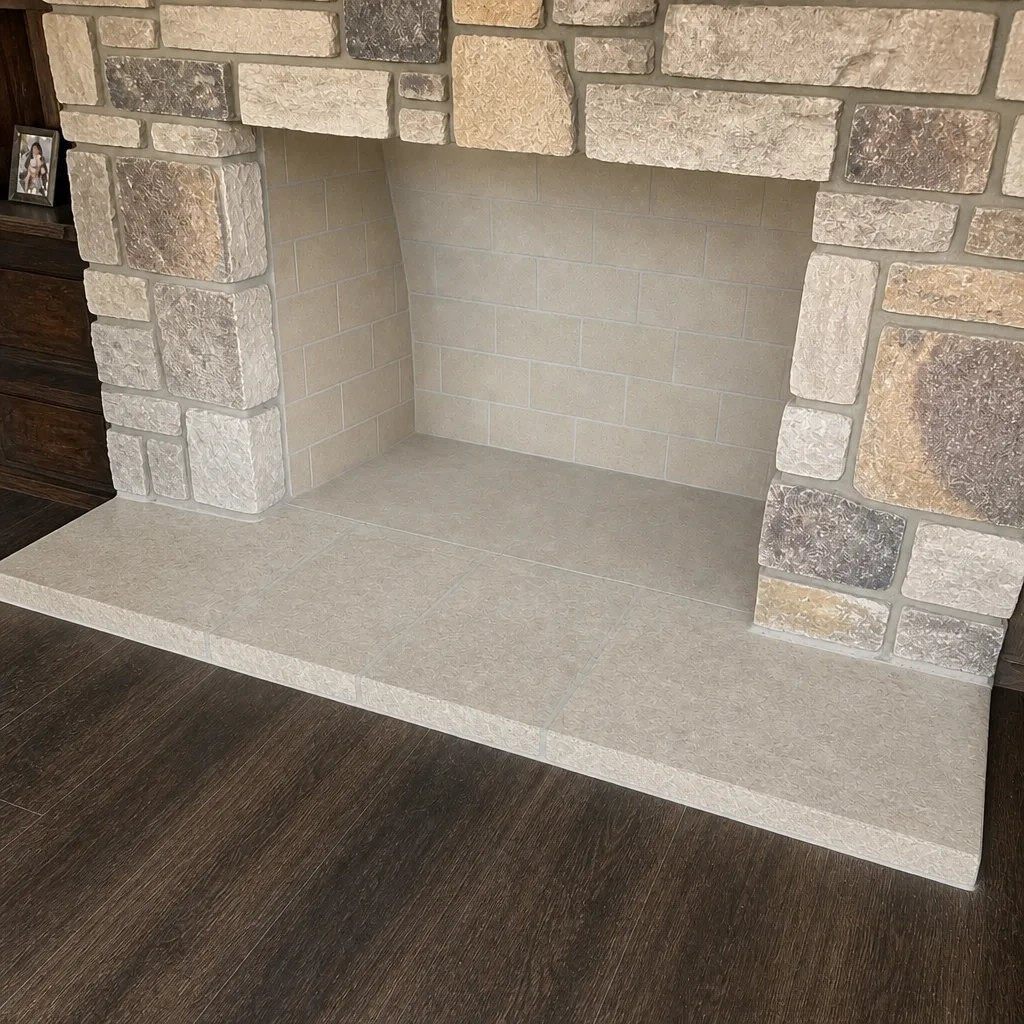
See the difference
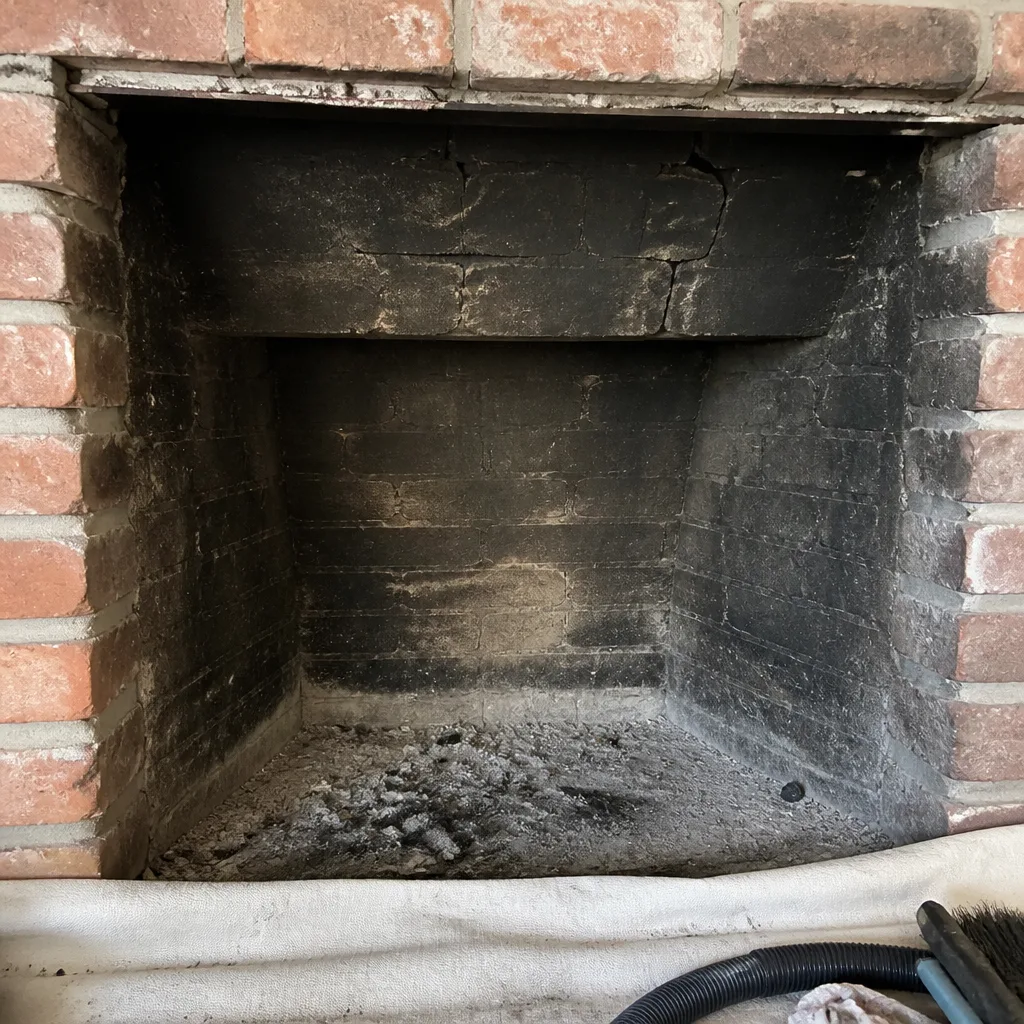 Before
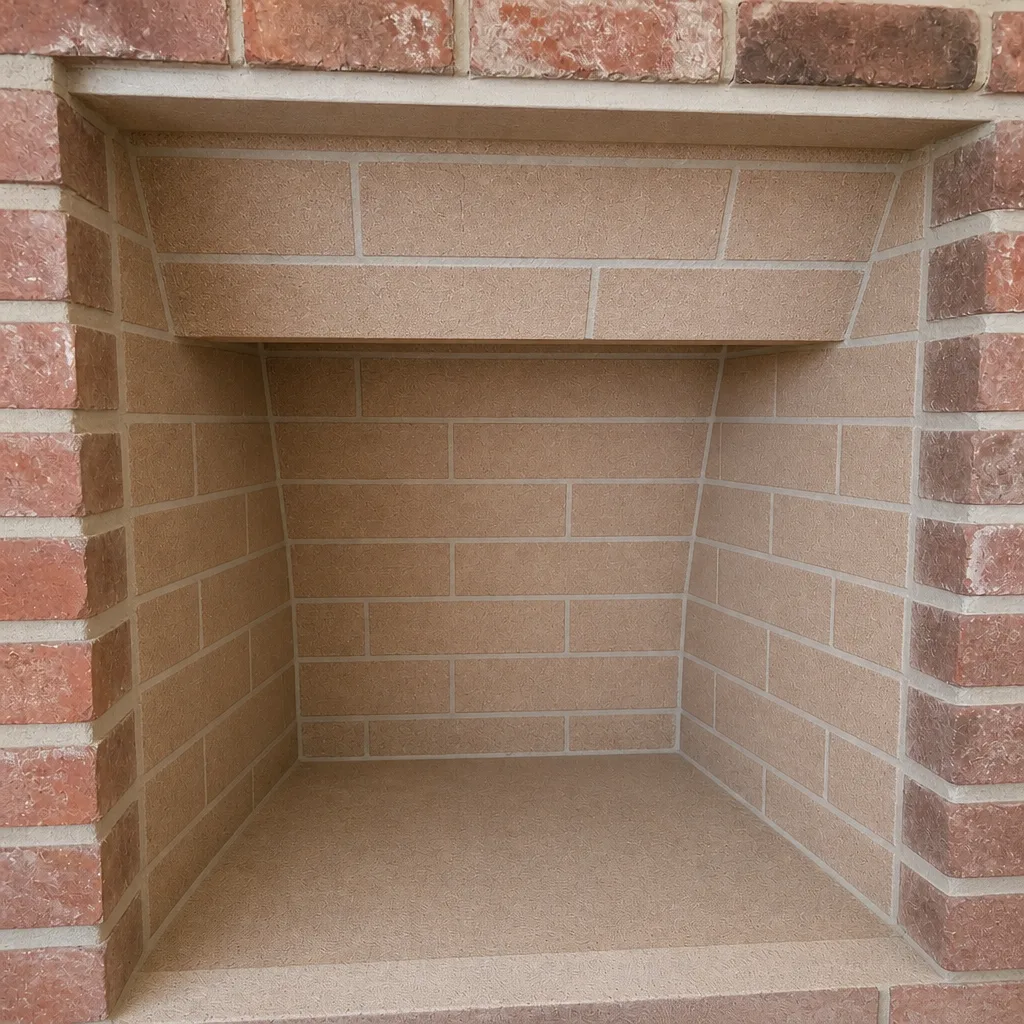 After
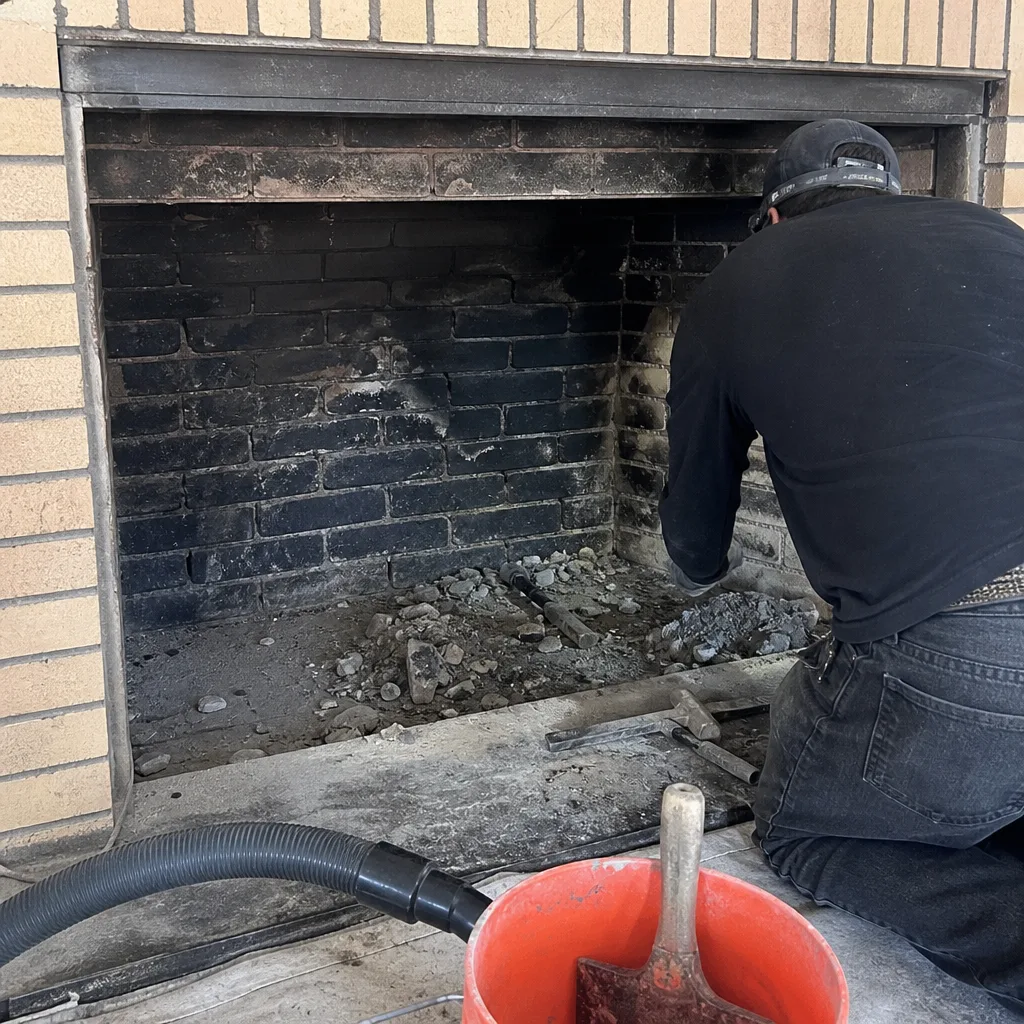 Before
 After
 Before
 After
When to Call a Professional
Call a chimney professional if you haven’t had your system inspected in the past year, if you’ve noticed smoke backing into the room, if there’s a persistent odor coming from the fireplace, or if you see visible creosote buildup on the firebox walls. Call if you’ve just bought a home in Lake Elsinore with a fireplace and no recent chimney records. Call if your dryer has been taking longer to dry clothes, which suggests a vent obstruction that is also a fire hazard. Chimney Sweep Lake Elsinore offers free estimates in Lake Elsinore – call (833) 589-9415. We answer 24/7. Fast dispatch from 7am to 7pm, Sunday through Friday.
Frequently Asked Questions
Typical chimney cleaning in the Lake Elsinore area ranges from $180 to $350, depending on the system type, accessibility, and whether the quote includes a Level 1 inspection and written report. Cheaper quotes exist, but they usually exclude the inspection or the documentation. Call (833) 589-9415 for a free estimate with no hidden add-ons.
Yes, a Level 1 inspection should accompany every cleaning because it’s the only way to verify the system is safe to operate after the soot and creosote have been removed. A cleaning without an inspection is like changing your oil without checking the engine for leaks.
A sweep removes creosote and soot; a specialist does that and also diagnoses and repairs what the cleaning reveals. In Lake Elsinore, where many homes have aging masonry chimneys, choosing a contractor who can handle repair findings means one call instead of two.
The general guidance is once per year for wood-burning fireplaces, and that’s a reasonable baseline for Lake Elsinore homeowners even with our mild winters. If you burn frequently or use soft woods that create more creosote, you may need more frequent service. Gas fireplaces also need periodic inspection, though they don’t produce creosote.
Creosote accumulates on the flue walls with every fire, and creosote is combustible. A thick enough layer can ignite, causing a chimney fire that can spread to the house. Even without a fire, a blocked or damaged flue can send carbon monoxide into your living space. These are low-probability, high-consequence risks, which is why annual service exists.
Yes, a full-service chimney company in Lake Elsinore can typically handle both the chimney and the dryer vent cleaning in one appointment. It’s a logical pairing since both address fire hazards, and it saves you from vetting and scheduling two separate vendors.
The Bottom Line
Hiring a chimney cleaning contractor in Lake Elsinore comes down to one question: does the person on your roof have the training and materials to handle what they find, or are they just running a brush? A company that can only clean leaves you vulnerable to the exact hazards the cleaning was supposed to address. A company that carries professional-grade repair products like HeatShield and DuraFlex, works with suppliers like Gelco and Olympia Chimney, and documents everything with a camera is giving you a complete safety service, not a transaction. Verify the credentials, ask the five questions, insist on written documentation, and you’ll make the right call. If you’d like help from a team that handles sweep, repair, and dryer vent work under one roof, call Chimney Sweep Lake Elsinore at (833) 589-9415 for a free estimate. We answer 24/7. Fast dispatch from 7am to 7pm, Sunday through Friday.
Written by the team at Chimney Sweep Lake Elsinore, serving Lake Elsinore since 2013.