
Last updated November 4, 2026
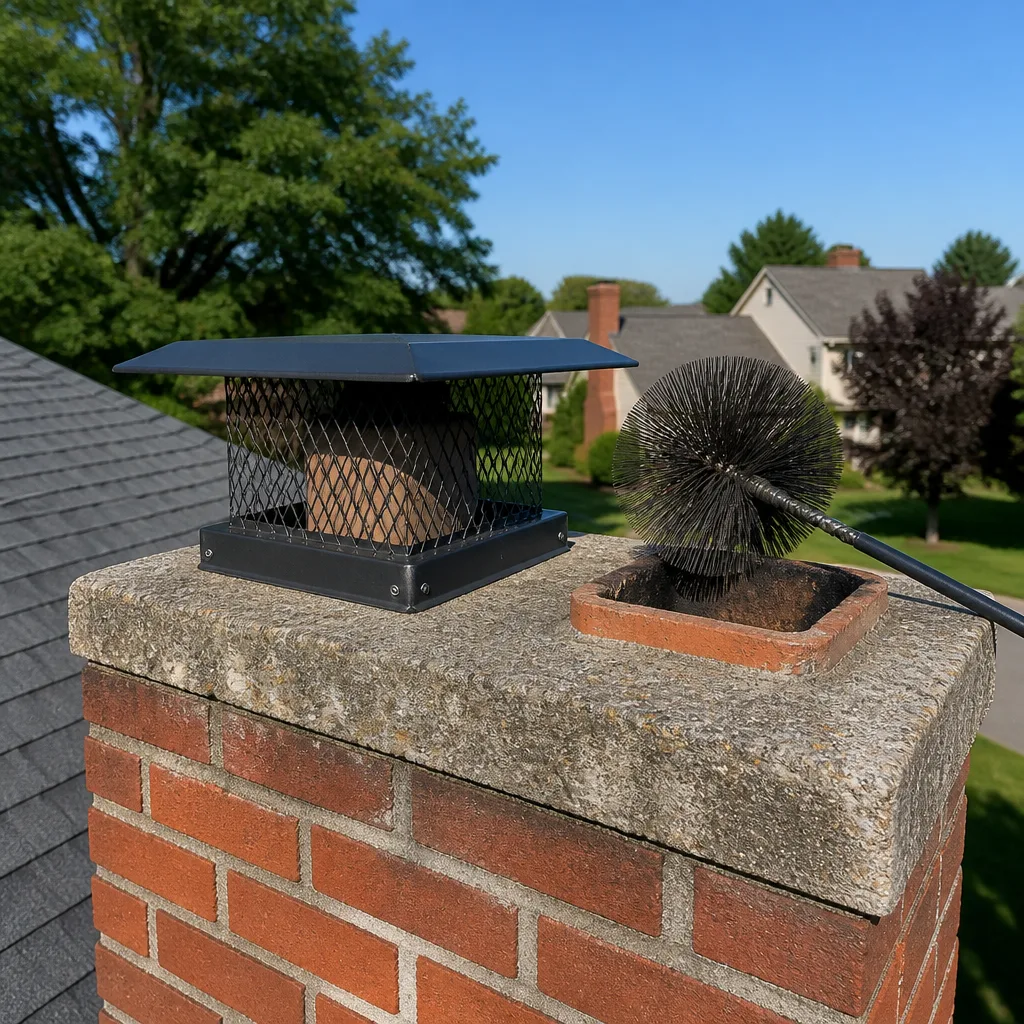 Sweep & inspection
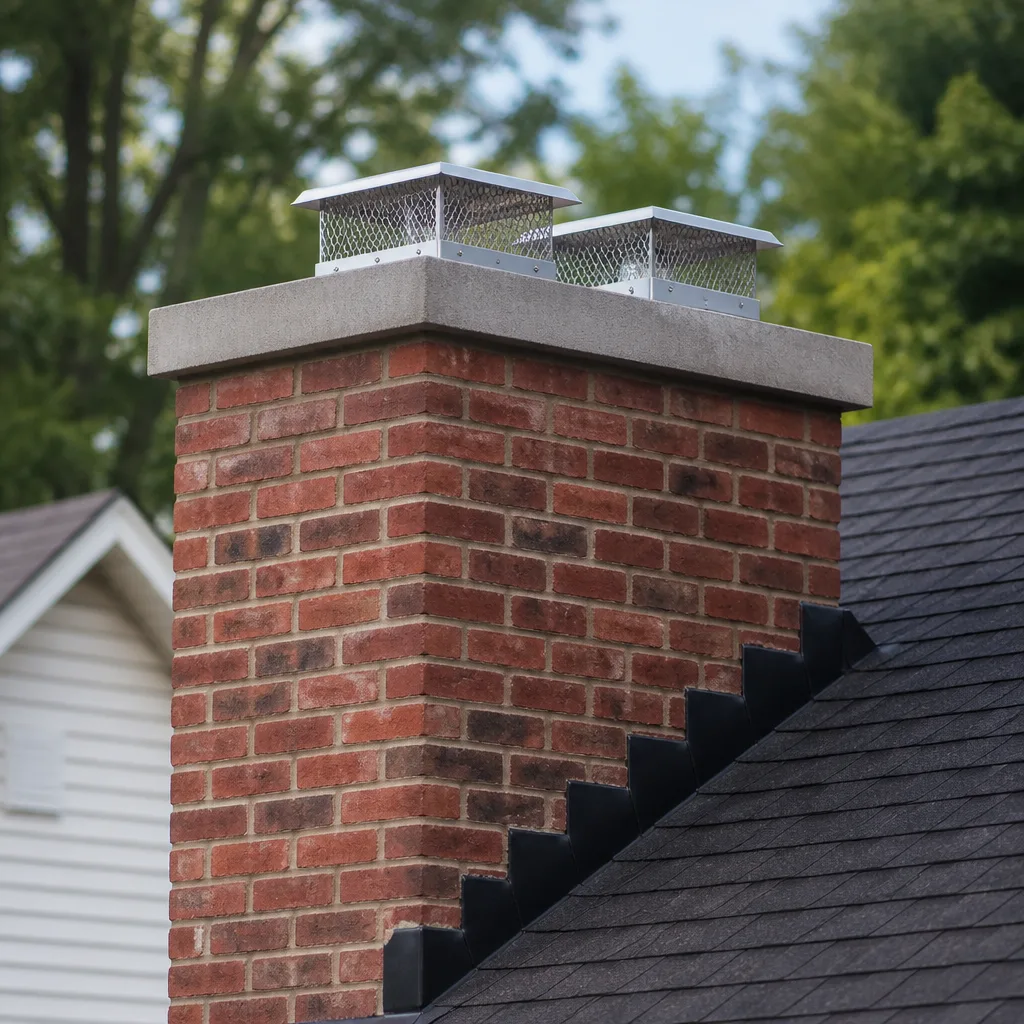 Caps & crowns
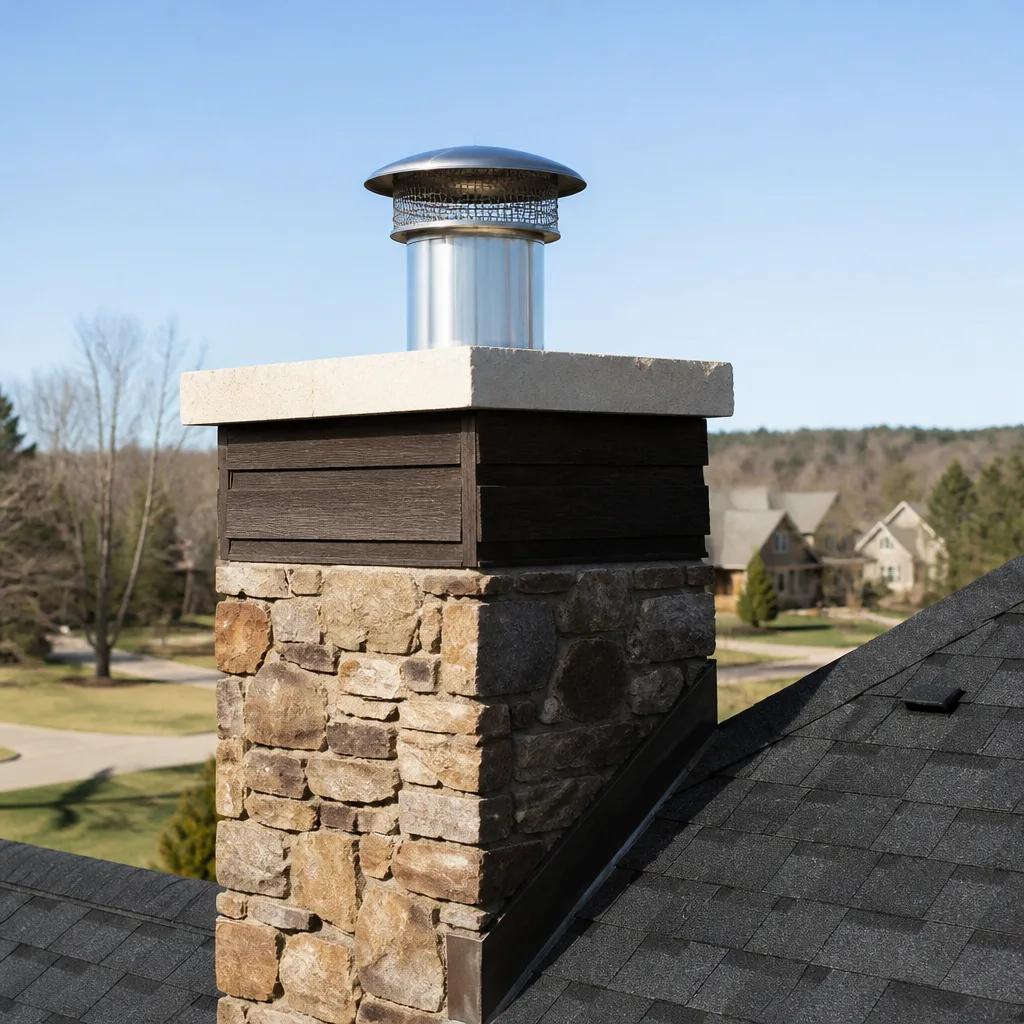 Flue relining
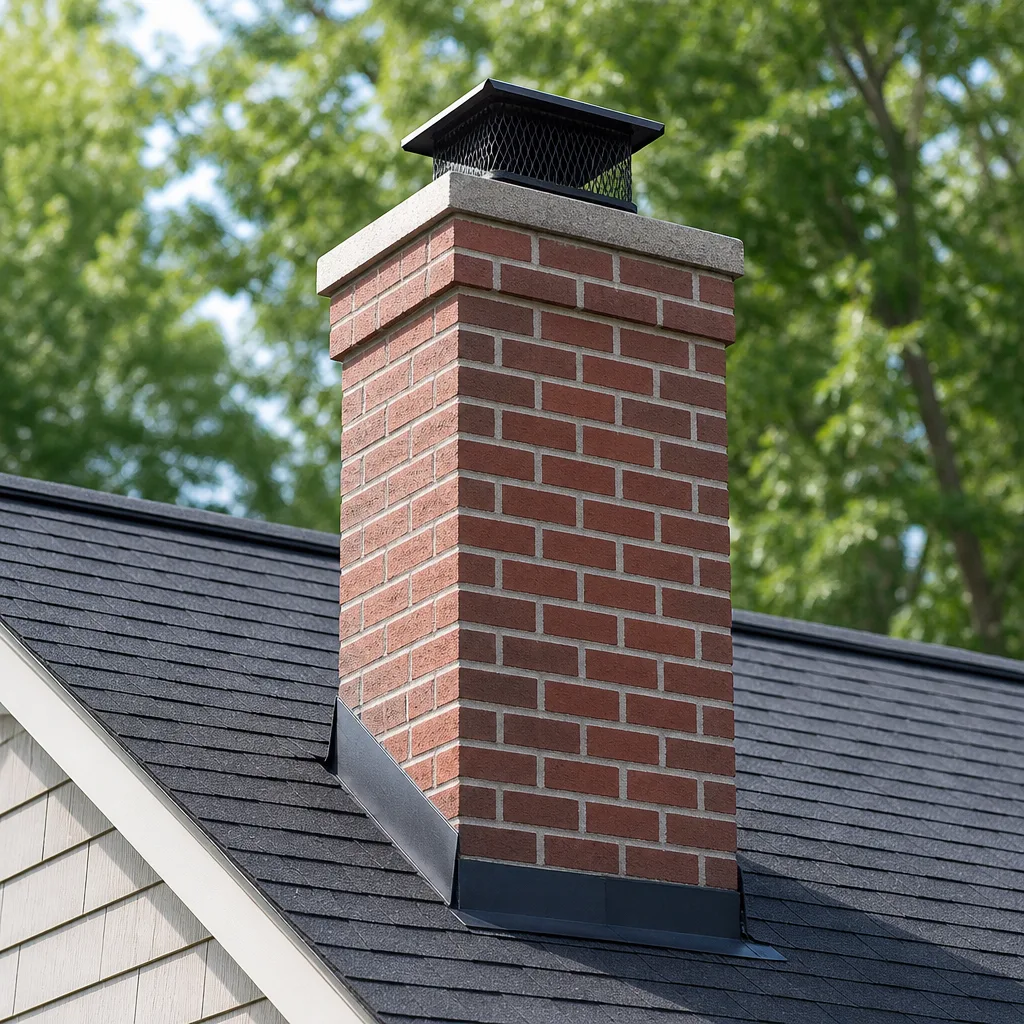 Masonry repair
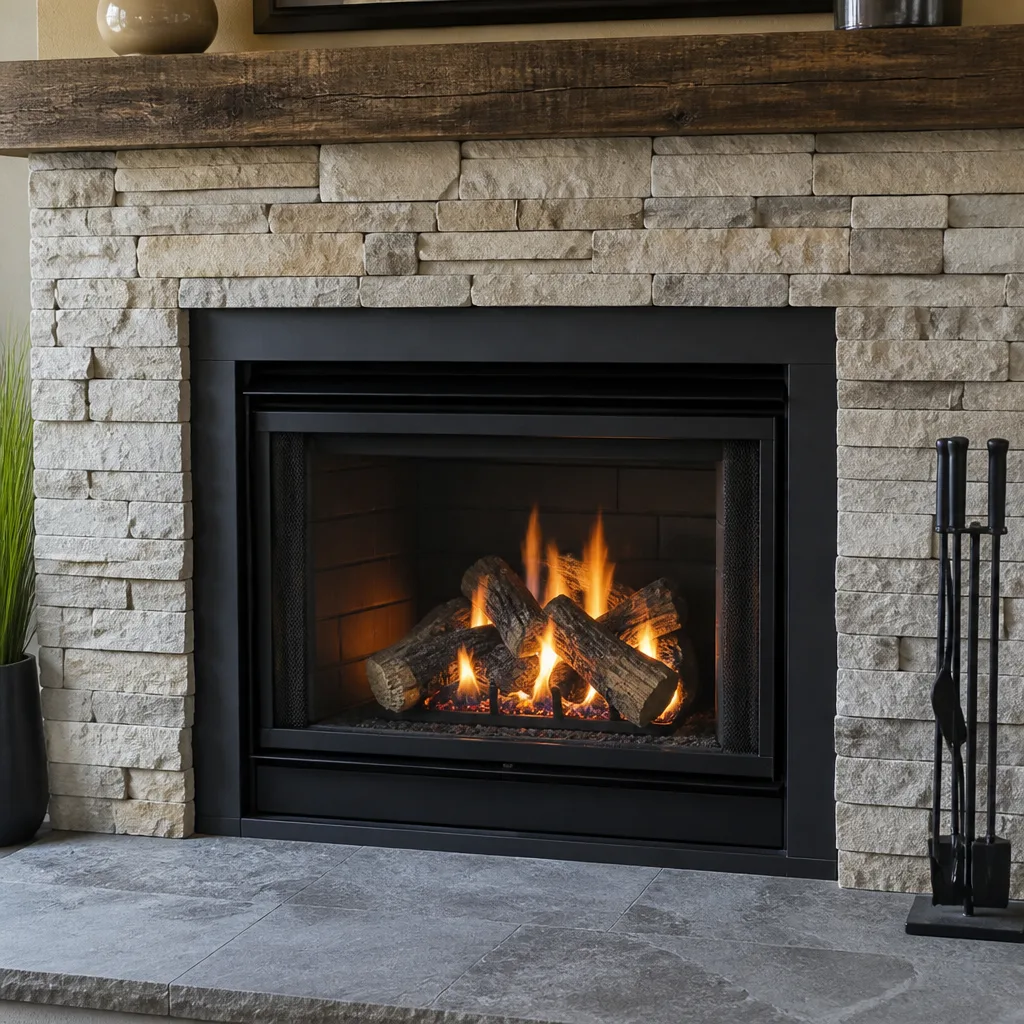 Gas fireplace service
Level 1 sweep and inspection to the NFPA 211 annual standard - flue, crown, cap, and flashing checked and photographed
Chimney sweep logs do not sweep chimneys. They loosen some creosote - which then falls where a brush and vacuum still have to collect it.
Chimney Cleaning Emergency Preparedness Guide for Lake Elsinore Homes
Most Lake Elsinore homeowners think a chimney fire looks like a house fire. Flames shooting from the roof, neighbors calling 911, obvious and undeniable. That is the fire you see. The one you survive starts quieter. A chimney fire typically begins as a low rumble inside the flue, like a freight train passing a block away, or a sound some people mistake for wind. It happens at 2 a.m. because that is when the damper is closed on a hot bed of coals nobody fully extinguished, or when a gust off the Ortega Highway side pushes embers from a smoldering log up into creosote that has been quietly building for two seasons. This guide covers what to do before, during, and after that moment. It is written specifically for homes in Lake Elsinore, where wind events and wildfire exposure are not hypothetical, and where a working chimney is part of your broader household emergency plan.
Quick Answer
A chimney fire is an active fire burning inside the flue, not the firebox. If you hear a loud roaring or rumbling from the chimney, see dense smoke or flames at the cap, or smell an intense hot-oven odor with no oven on, close the damper if safe, call 911 from outside the house, then call a certified chimney professional to inspect the flue before you use it again. Preparedness means cleaning the chimney before burning season, keeping a fire extinguisher rated for Class A fires within reach, and knowing which steps to skip in the first 60 seconds because acting wrong is worse than doing nothing.
Styles & brands we work with
- Sweep & inspection
- Caps & crowns
- Flue relining
- Masonry repair
- Gas fireplace service
Table of Contents
- What a Chimney Fire Sounds, Smells, and Looks Like
- The First 60 Seconds: Exactly What to Do
- How to Emergency-Close a Damper Correctly
- Post-Wildfire Ember Infiltration in Lake Elsinore
- Documenting Chimney Condition Before and After Wind Events
- What to Tell Cal Fire and Riverside County Fire
- Building a Chimney-Ready Household Emergency Kit
- Why Regular Cleaning Is the Real Emergency Plan
What a Chimney Fire Sounds, Smells, and Looks Like
A chimney fire is different from a firewood fire because the fuel is different. The wood in your firebox burns with pops and crackles. The creosote in your flue burns with a continuous noise that climbs in pitch as the flue heats up. Homeowners who have experienced one describe the sound as a roar, a rumble, or a low vibration you feel in the walls more than hear through the air. Some say it sounds like a jet idling in the living room. The key detail is that it does not stop. Firewood crackles intermittently. A chimney fire builds and sustains.
The smell is the second signal. Before you see anything, you may notice an odor like a metal pot left on a stove burner for too long, or the scent of a kiln. It is hot and chemical, not woody. In houses with closed dampers, the smell sometimes arrives through wall outlets or the gap around the hearth. The third sign is visual: look at the chimney cap from outside. At night, you may see sparks shooting from the cap or a light glow inside the flue. During the day, heavy dark smoke that does not thin out as it leaves the chimney is suspicious.
One thing we want to be plain about: you do not need to see all three signs to act. The sound alone is enough. In our experience, homeowners hesitate because they do not want to overreact and call the fire department for burning paper. A sustained roar in the flue is not burning paper. It is burning creosote, and the difference matters.
Common Misidentification
- Wind howling across the cap: Lake Elsinore wind events come in gusts. A gust sound rises and falls. A chimney fire sound builds and holds.
- Animals in the flue: Scratching, fluttering, and chirping are intermittent and light. A chimney fire is a low, mechanical roar.
- Normal fire noise: Crackling is irregular. A chimney fire has a pressurised, continuous quality.
The First 60 Seconds: Exactly What to Do
If you believe a chimney fire is active in your Lake Elsinore home, the first minute is not for heroics. It is for controlled shutdown. Here is the sequence, in order, and it matters that you do not skip ahead:
- Get everyone moving toward the exit. Do not wait to confirm the fire. Tell everyone in the house to put on shoes and go outside. Chimney fires can transfer heat through the flue wall into attic framing without showing flame inside the living space for several minutes.
- Close the damper if you can reach it safely. The goal is to reduce oxygen flow into the flue. Do not stand over the firebox to do this. Reach in from the side, keep your face clear of the opening, and close it firmly. If the metal handle is too hot, skip this step.
- Do not throw water into the firebox. This creates a steam burst that can crack the firebox liner or blow hot embers back into the room. It also does not reach the creosote burning higher in the flue.
- Do not use a fire extinguisher into the firebox for the same reason. The fire is above the damper. Directing powder upward through a closed or partially open damper can push burning creosote deeper into the flue and spread heat.
- Call 911 from outside. Give them your address and say the words: “I believe there is a chimney fire in the flue.” That phrasing tells dispatch to send the right response. You do not need to convince them. They will send crews to check attic heat and roof penetration.
- Stay outside until the fire department tells you it is safe. Even if the sound stops, heat remains in the masonry. A chimney that has experienced a flue fire needs a professional inspection before the next use.
This sequence is not from a manual we wrote in an office. It reflects what fire crews have told homeowners in Riverside County for years. The mistake we hear about most often is a homeowner who tried to manage the fire alone because it seemed contained to the chimney. A chimney is not a container. It is an opening through your house.
How to Emergency-Close a Damper Correctly
There is a right and a wrong way to close a damper during a chimney fire, and the difference is not small. The purpose of closing the damper is to cut off oxygen from below. But a damper is not airtight. Even closed, it allows air to move through the gaps. If you close the firebox doors or seal the opening entirely while the flue is still drawing, you can create a pressure difference that pulls air from places you do not want, including wall cavities and ceiling spaces around the chimney chase.
The correct move is to close the damper and leave the firebox door open. That sounds counterintuitive, but the air entering through the firebox opening is cooler room air. Sealing the firebox traps heat at the base of the chimney and can accelerate heat transfer into the surrounding framing. An open firebox with a closed damper reduces oxygen flow into the flue without turning the hearth into a pressure vessel.
One more detail about dampers in Lake Elsinore specifically. Many homes here have traditional throat dampers with a cast-iron handle that sits just inside the firebox. In high-wind conditions, these dampers can get pushed or rattled. After any significant wind event, check that the damper opens and closes fully. A stiff or misaligned damper often signals creosote buildup on the damper plate or warping from a previous high-heat event, and both are worth a second look.
Post-Wildfire Ember Infiltration in Lake Elsinore
Lake Elsinore sits in a wind corridor that has been shaped by fire for a long time. When a wildfire burns in the hills or along the 15 corridor, embers travel. They do not need to land in your yard to be a problem. An ember the size of a nickel, carried by a dry Santa Ana or evening canyon wind, can pass through a missing or damaged chimney cap screen and settle on top of creosote coating in the upper flue. It may smolder there for hours before it ignites, and by then, the fire event outside is over and the household has relaxed.
After any wildfire that burns within a few miles of your Lake Elsinore neighborhood, walk the exterior and inspect the chimney cap. You are looking for:
- Holes in the spark arrestor screen larger than a pencil eraser
- Lifted or missing mortar around the cap base
- Debris, leaves, or charred material sitting inside the cap assembly
- A cap that has shifted or rotated, exposing the flue opening
If you find damage, do not use the fireplace until a professional has removed the cap, cleaned the flue, and checked for ember material deeper in the system. If you need a temporary barrier, a sheet-metal panel secured over the flue opening is safer than a plastic bag, which can melt. But a temporary covering is just that. It buys you time until someone who can inspect the full flue shows up.
The same rule applies after a wind event without fire. High gusts through Lake Elsinore can tear a cap clean off or crack the mortar holding it. A missing cap is an open invitation for a bird or ember, and it changes the way the flue drafts. If the cap is damaged, the chimney is not emergency-ready, even if the masonry looks fine from the street.
Documenting Chimney Condition Before and After Wind Events
Insurance claims stick when the paperwork is boring and consistent. If a wind event damages your chimney cap or flashing, or if there is interior staining after heavy rain, you want a record that predates the event. Here is a practical documentation routine that takes minutes per season:
Before burning season (October in Lake Elsinore):
- Take six photos of the chimney from the ground: front, back, and each side, plus a close-up of the cap and one of the flashing where the chimney meets the roof.
- Save the photos in a folder named with the date and season, for example “Chimney_Oct_2026.”
- Email the folder to yourself. This creates a timestamp that is hard to argue with.
- After the chimney is swept, photograph the clean flue from inside with a phone light, and photograph the sweep’s invoice.
After any major wind event or local fire:
- Repeat the same six exterior photos within 48 hours if safe to do so.
- Compare against the pre-season photos. Note anything that shifted or broke.
- If you see damage, photograph it from multiple angles, with a ruler or tape measure in the frame for scale.
- Call your insurer with the date of the wind event and the date you noticed the damage. Do not wait weeks; adjusters ask why.
This routine works because it removes the argument about what was pre-existing. A photo from before the event, matched to a photo after, tells the story without your narration. We have walked Lake Elsinore roofs where a homeowner knew the cap had shifted but could not prove it was recent. The photos settle that.
What to Tell Cal Fire and Riverside County Fire
When you call 911 for a chimney fire in Lake Elsinore, the dispatcher is routing through a system that covers a large area. Cal Fire and Riverside County Fire work closely here, and the faster you give them the right picture, the faster the right unit gets rolling. Use this script, adapted to your situation:
“I’m at [address]. I believe there’s a chimney fire. I hear a loud rumbling from the chimney, and I can see smoke from the cap. Everyone is outside. We closed the damper. No flames inside the house yet.”
What not to do before they arrive:
- Do not climb onto the roof. Roof ladder work is dangerous under normal conditions. During an active chimney fire, the masonry is hot and the roof around it may be heating.
- Do not open the flue to “check” whether the fire is out. A sudden rush of air can reignite material that was smoldering.
- Do not move furniture away from the hearth if the wall is hot. You risk falling against a heated surface. Evacuate and let the fire crew work.
- Do not call a chimney company before the fire department. The fire department first, always. The chimney inspection happens after they clear the scene.
The fire crew will check the attic for heat, the walls around the chase, and the roof penetration. They may pour water down the flue from the top, which will make a mess inside the firebox. That is expected. Let them do their job. After they clear the scene, the flue needs a professional inspection before the next use, even if the fire was small and the house seems fine.
Building a Chimney-Ready Household Emergency Kit
You do not need a dedicated chimney emergency kit with specialty tools you will never use. You need a few items placed in the right spot, and you need the whole household to know what the roaring sound means. Here is what we suggest for Lake Elsinore homes:
- A Class A fire extinguisher near the hearth, not in a kitchen drawer. It stands ready for a fire in the room, not a fire in the flue. If a log rolls out or the hearth mat catches, you want it within arm’s reach.
- Heat-resistant gloves, the long gauntlet kind. These let you close a hot damper handle without burning your hand. Store them beside the hearth tools.
- A flashlight by the main exit. If a chimney fire fills the house with smoke at night, you want light on the path out, not in the living room.
- A chimney cap inspection mirror or a pair of compact binoculars. This makes the post-wind-event exterior check possible without a ladder.
- A printed copy of this guide’s first-60-seconds steps. Put it inside a kitchen cabinet near the fire extinguisher. In a genuinely frightening moment, people forget sequence. The paper remembers.
None of these items is expensive or hard to find. The hard part, in our experience, is talking about the scenario before it happens. A family that has walked through the plan once is calmer when the moment arrives. You do not need to drill it monthly. Once a season, at the start of burning season, is enough.
Why Regular Cleaning Is the Real Emergency Plan
Everything up to this point is preparation for an event that a clean chimney makes far less likely. The single most effective emergency-preparedness action you can take is to have the flue swept before you need it. Creosote is the fuel for chimney fires. It comes from unburned wood gases condensing on the cooler flue walls, and it accumulates every time you burn a fire. Some burning habits produce more of it: wet or unseasoned wood, long slow smolders, closing the damper early to hold heat. Lake Elsinore homes that burn oak or pine from local sources should expect buildup even in mild winters.
A professional chimney sweep is not a chore service. It is an inspection that removes the fire risk. The technician checks the flue liner, the damper, the cap, and the chimney crown. If something is degrading, you learn about it before the first fire of the season, not after. And if the flue interior is already damaged, repairs through a specialist can often be done without a full chimney rebuild. Products like HeatShield can resurface a damaged flue interior, creating a smooth, insulated surface that resists creosote accumulation and closes gaps in the flue liner. That is a repair path worth asking about if a sweep reveals issues.
One more thing worth noting: dryer vent cleaning is the same preparedness logic applied to a different fire source. The lint that builds up in a dryer vent is highly flammable and sits inside an enclosed duct run behind walls. Combining a chimney sweep and dryer vent cleaning in one call is not about convenience alone. It is about removing two of the most common ignition sources that do not show themselves until they are already burning. For Lake Elsinore homeowners, that combined cleaning is a sensible pre-season routine.
We work with professional-grade materials, not hardware-store patches. That is not a slogan; it is the difference between a cap that stays on through a wind event and one that does not. Gelco chimney caps, for example, are built as a system with the screen, lid, and mounting hardware engineered to hold together. The hardware-store cap might look the same from the sidewalk. It is not the same on the roof in a 40-mile-per-hour gust. The same goes for liners. A relined flue with DuraFlex gives an older or damaged chimney a smooth, continuous interior surface that drafts properly and is easier to keep clean. These are the materials a professional reaches for because they are what the job requires.
A sweep also matters for the Chimney Sweep Lake Elsinore homeowners who burn with gas. Gas logs burn cleaner, but they are not zero-maintenance. Gas combustion produces acidic moisture that can eat at masonry liners over time, and gas appliances require the flue to draft correctly to keep carbon monoxide outside. The inspection is still the point. A clean flue with a correctly sized cap and a functioning damper is a chimney you do not think about. That is the goal. The roaring-at-2-a.m. scenario is what happens when the chimney gets ignored until something is already wrong.
Common Mistakes to Avoid
- Burning unseasoned wood because it is cheap or free. Green wood smokes heavily, deposits creosote quickly, and produces less usable heat. In Lake Elsinore, where summer heat dries wood fast, well-seasoned firewood is realistic to source, and it is the single biggest homeowner-controlled variable for chimney fire risk.
- Thinking that a “chimney cleaning log” replaces professional sweeping. Those products can loosen some creosote, but they do not inspect the liner, cap, damper, or crown. Calling that a cleaning is like shaking a rug and calling it vacuuming.
- Closing the damper to “hold in heat” overnight. Burning coals still produce gases, and an early-closing damper sends those gases up a cooler flue where they condense as creosote. Let the fire die naturally or control the air at the firebox, not by shutting the damper on a hot fire.
- Skipping the post-wind-event exterior check. Lake Elsinore wind events come fast. A cap that shifted Tuesday is a missing cap by Friday. Checking the cap from the ground with binoculars takes minutes and catches the problem before it becomes an ember risk or a bird nest in the flue.
- Using the fireplace after a nearby wildfire without an inspection. Embers can enter a flue without any visible damage to the exterior. If a fire burned within a couple miles of your neighborhood, the prudent move is a professional check before the next hearth fire.
- Storing firewood directly against the chimney or house wall. In an ember event, a wood stack is fuel. Keep wood at least 30 feet from the house, or closer in a covered ember-resistant storage unit, and never stacked against the chimney.
- Assuming a chimney fire that “burned itself out” is fine. Flue fires crack liners and damage mortar joints. The next fire you light in that flue may find a path into the framing. An inspection after any chimney fire is non-negotiable.
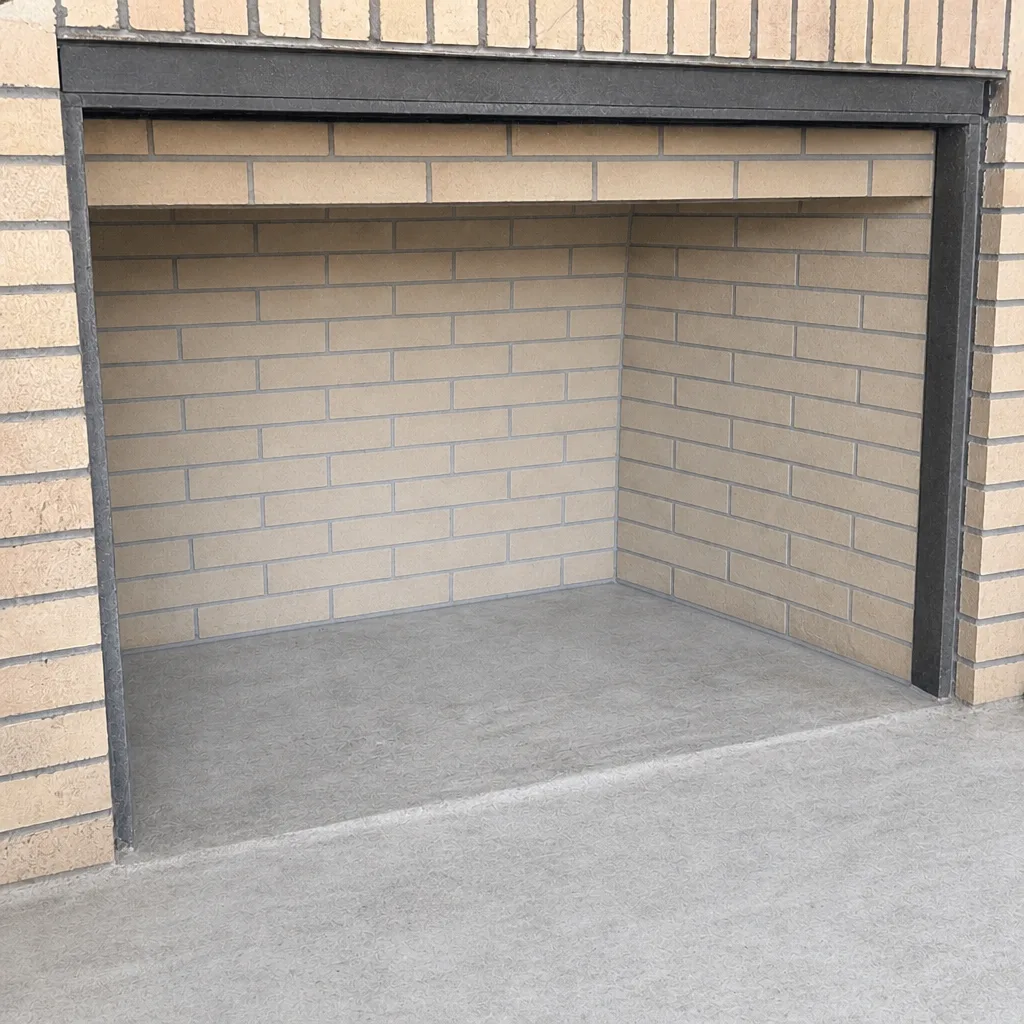
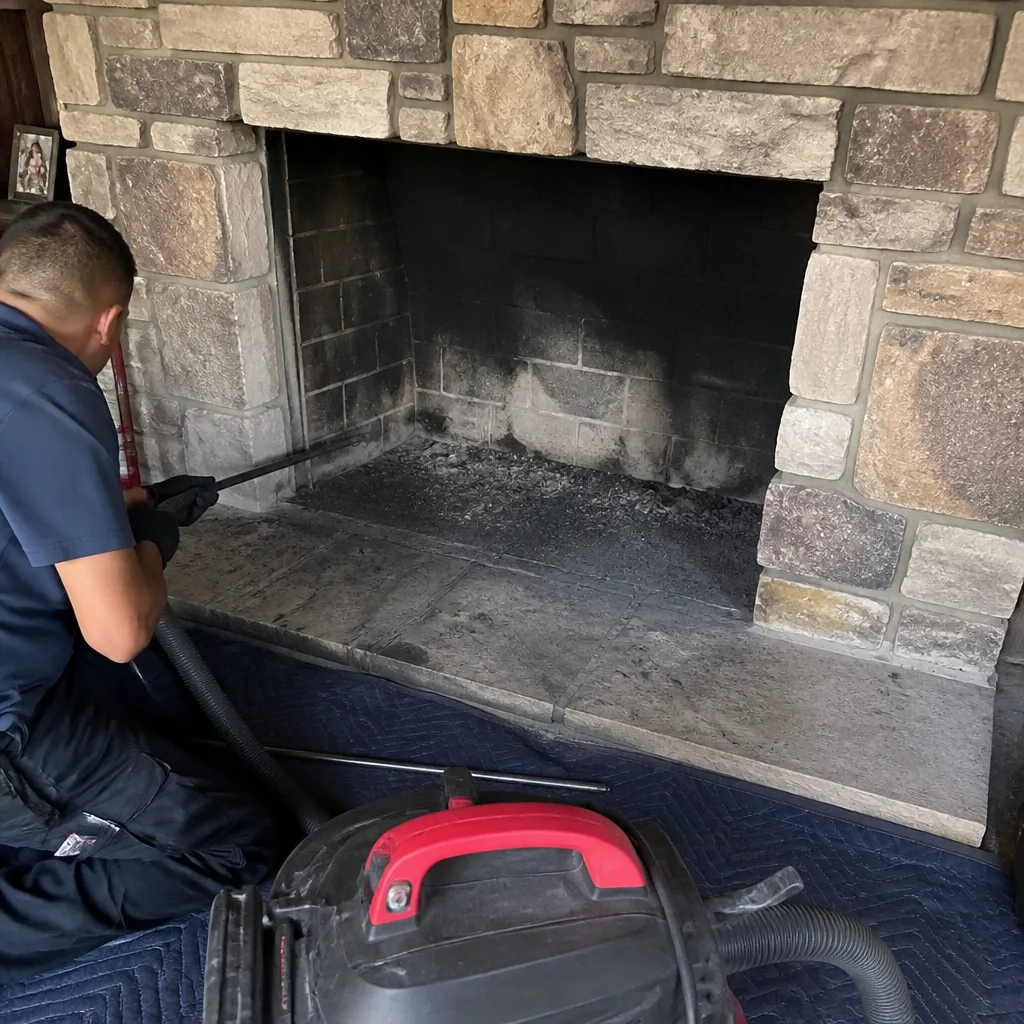
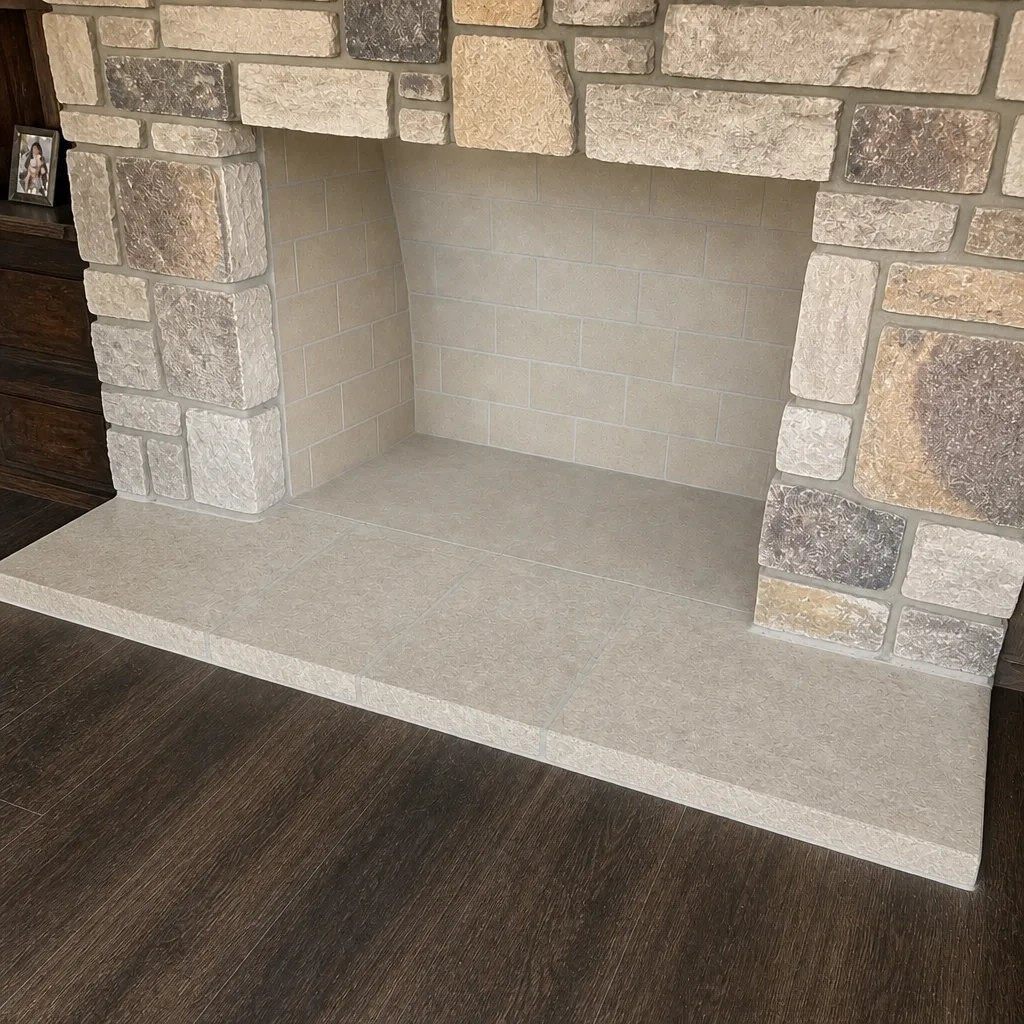
See the difference
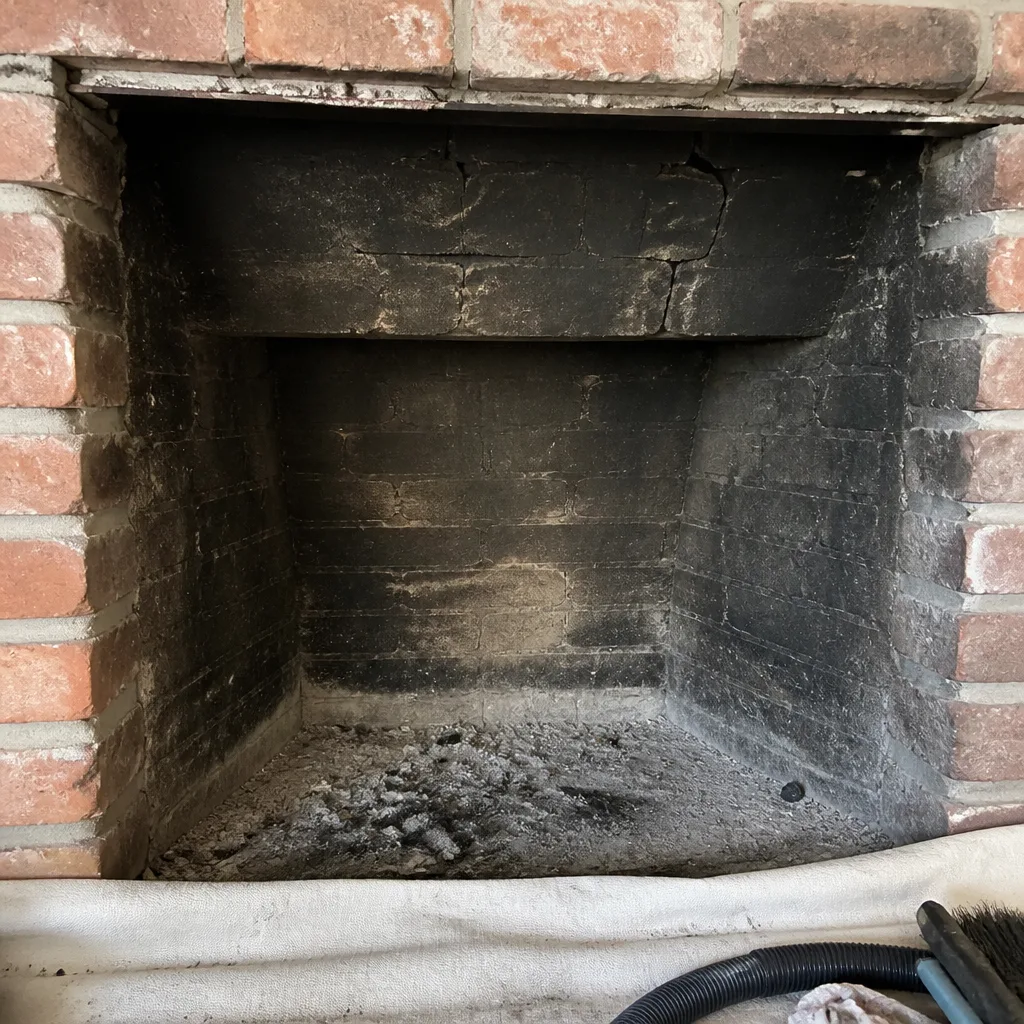 Before
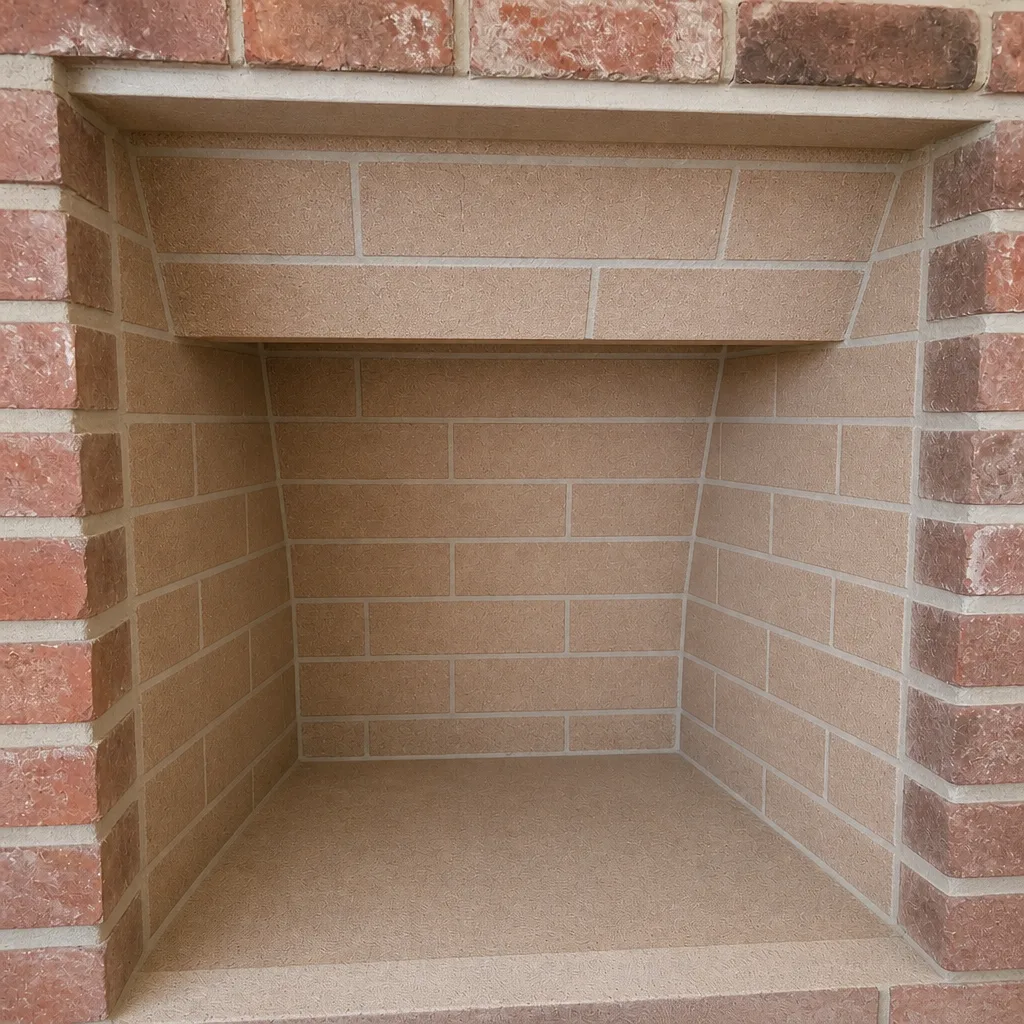 After
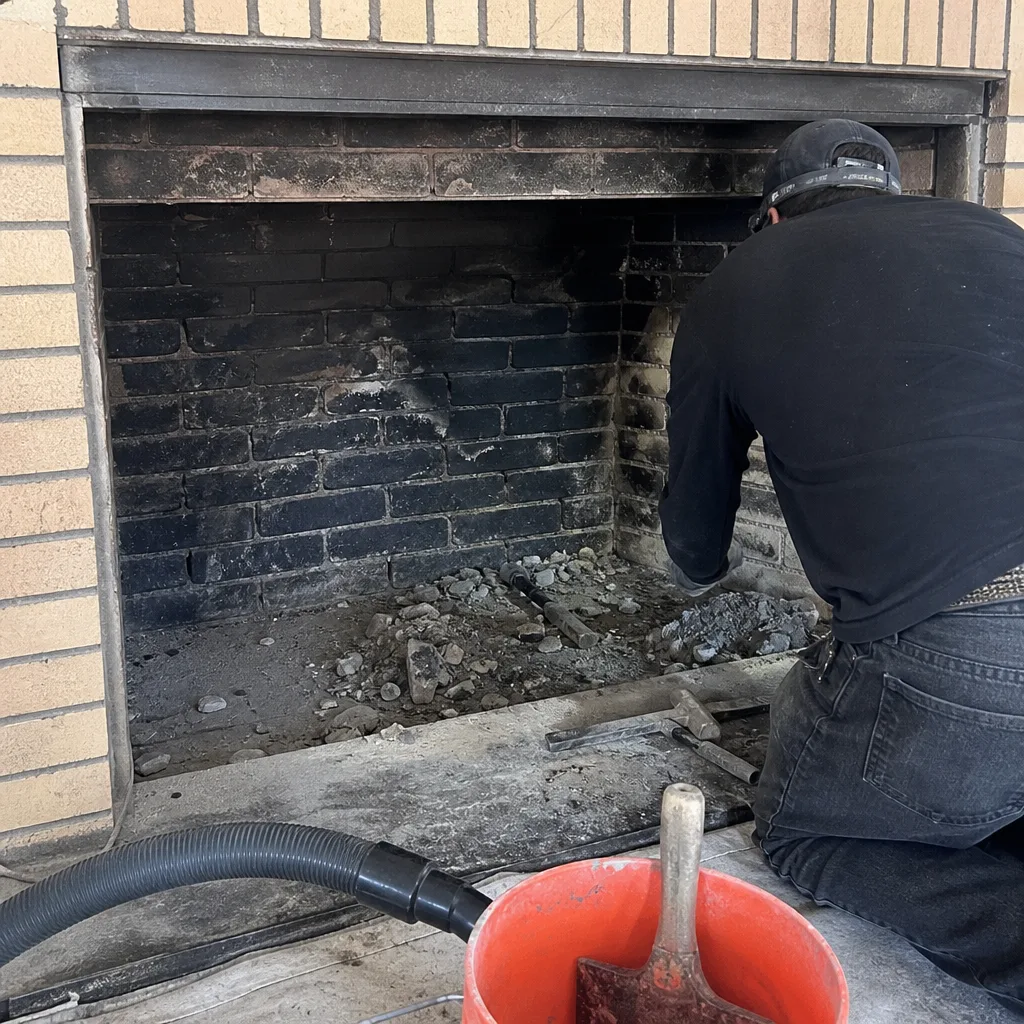 Before
 After
 Before
 After
When to Call a Professional
Some problems show themselves as sounds or smells that never quite become emergencies. A metallic ticking from the flue as it warms, a sour smell near the hearth on humid days, smoke that spills into the room when the fire is first lit, black flakes falling into the firebox. These are not normal fireplace character. They are early-warning signs that the flue, cap, or damper needs attention. The time to call is when you notice them, not when the flue starts roaring at 2 a.m. A professional inspection answers the question, and it does so before the risk has time to compound. Chimney Sweep Lake Elsinore offers free estimates in Lake Elsinore. Call (833) 589-9415. We answer 24/7. Fast dispatch from 7am to 7pm, Sunday through Friday. If what you are hearing or seeing feels wrong, make the call and describe it. We would rather tell you it is wind across the cap than read about you in the blotter a month later.
Frequently Asked Questions
A standard chimney sweep in Lake Elsinore is a per-job estimate, not a flat advertised rate. The written estimate sets the final price after the technician sees the flue, the cap, and the firebox condition. Call (833) 589-9415 for an exact quote. Estimates are free. We answer 24/7.
The National Fire Protection Association recommends a chimney be inspected at least once a year and cleaned when creosote reaches 1/8 inch or more. For Lake Elsinore homes that burn wood regularly through the winter, an annual sweep before the first fire is the practical schedule.
The creosote layer thickens each season, and the flue narrows. You start with reduced draft and smoke in the room, and end with a fuel load inside the flue that can ignite under the right conditions. A cleaned chimney is not just about appearance; it is about removing the fuel that makes a flue fire possible.
Not always. A cracked or gap-patterned clay liner sometimes needs replacement, but a resurfacing product like HeatShield can often restore the interior surface without a full rebuild. The decision starts with a camera inspection. You should be able to see the evidence for any recommendation, which is why we use camera inspection with a photo report as standard practice.
We do not recommend it. Roof work over Lake Elsinore’s tile and shake roof profiles carries fall risk, and DIY cleaning tools rarely remove glazed creosote. More importantly, a professional sweep includes an inspection of the liner, damper, and cap that a homeowner cannot perform from the roof with a brush.
Do not use the fireplace until a professional has inspected the cap and flue. A loose cap can send embers into the flue or block proper draft. Document the damage with dated photos for insurance, then call for a repair estimate. Chimney Sweep Lake Elsinore can assess the cap and the flue in one visit.
The Bottom Line
Chimney fire preparedness in Lake Elsinore is not about fear. It is about knowing what the first minutes look like, and having already made the decisions that fear scrambles. The sound, the smell, the damper, the cap, the documentation, the call to the fire department: these are specific steps, learnable by any household, and worth thirty minutes of attention before burning season starts. The single biggest variable you control is the state of the flue. A professionally swept and inspected chimney removes the fuel that makes a flue fire possible in the first place. If it has been more than a year since anyone looked at yours, schedule the inspection and start the season with the chimney in the same state you want your household: prepared, not surprised.
Written by the team at Chimney Sweep Lake Elsinore, serving Lake Elsinore since 2013.