
Last updated November 4, 2026
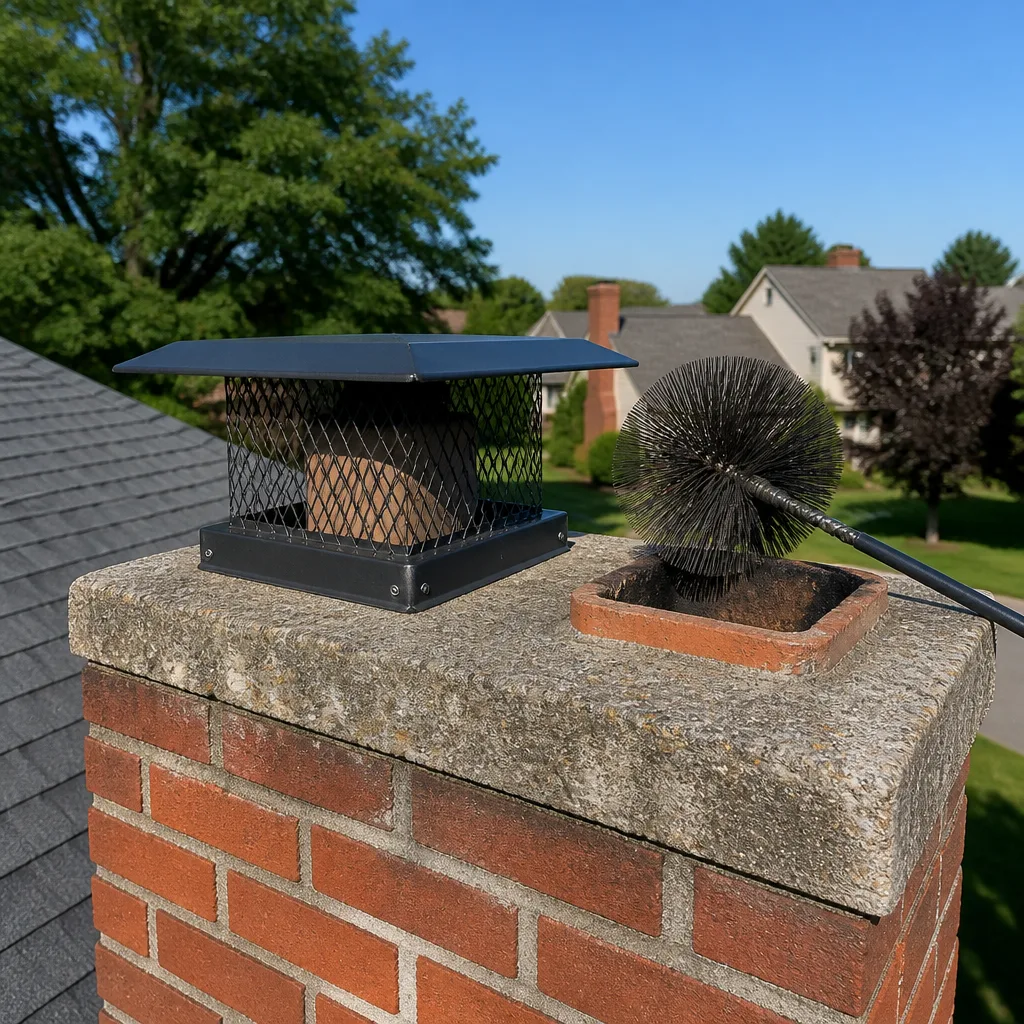 Sweep & inspection
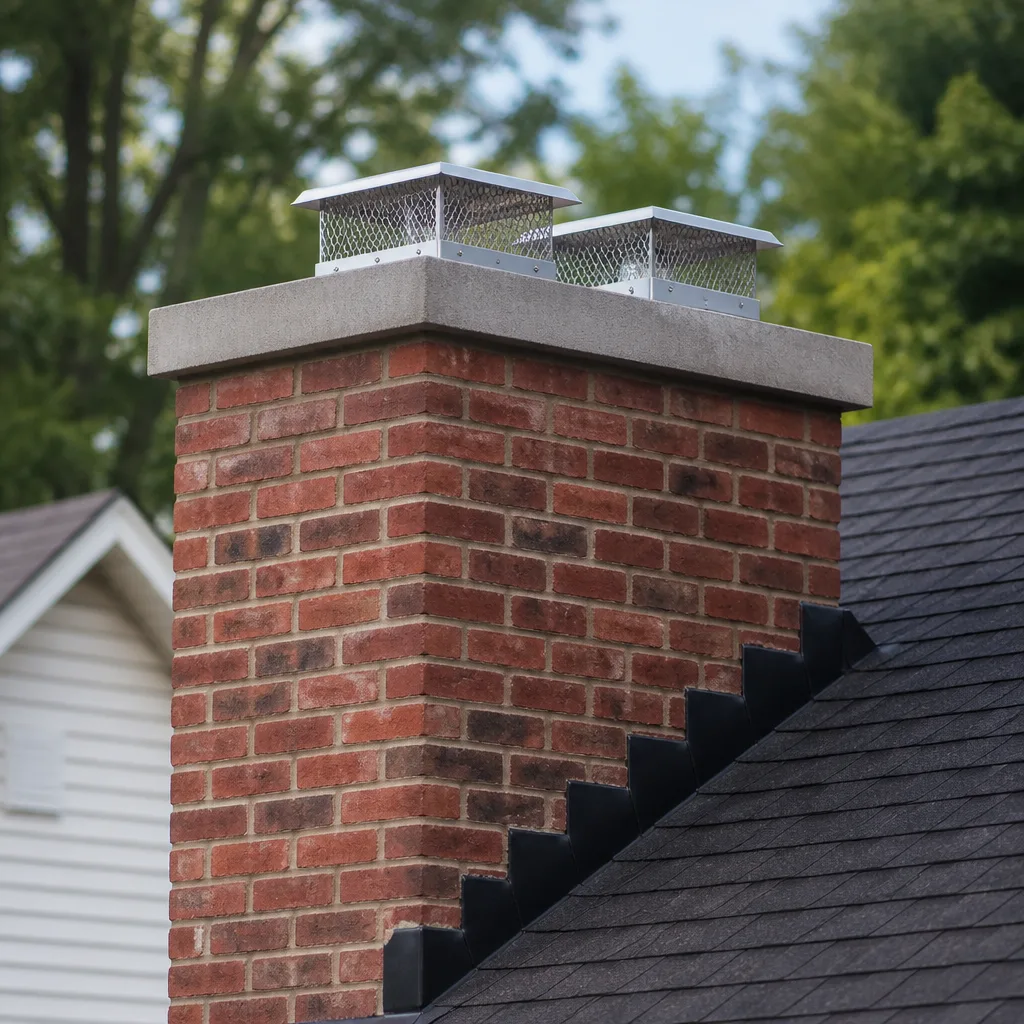 Caps & crowns
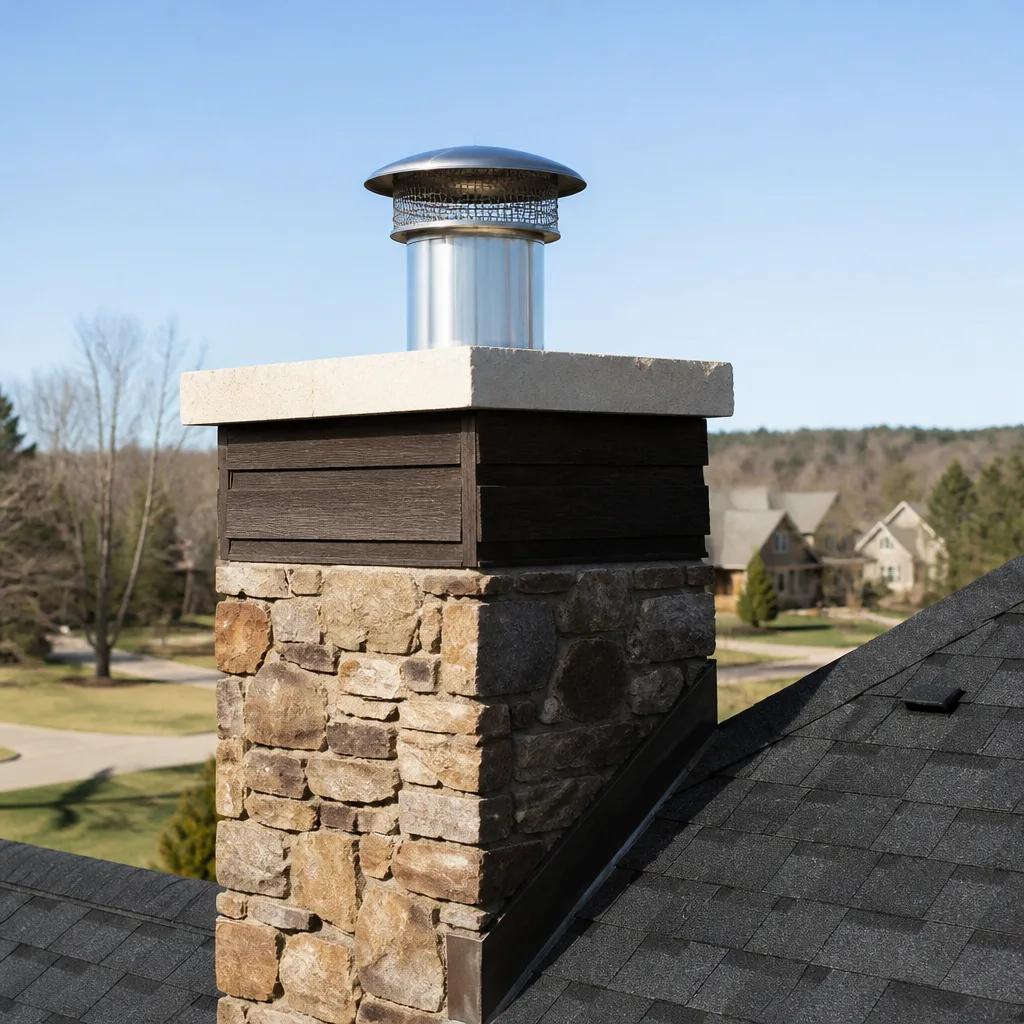 Flue relining
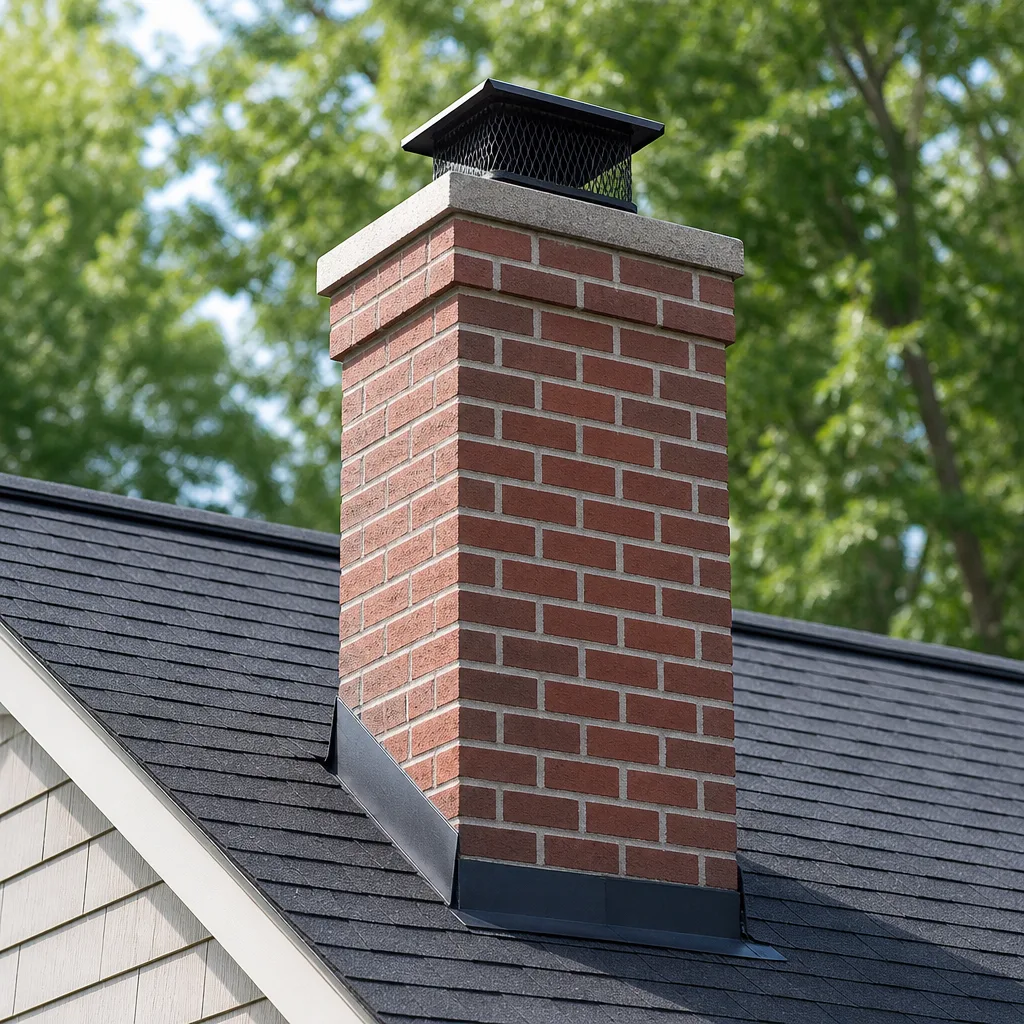 Masonry repair
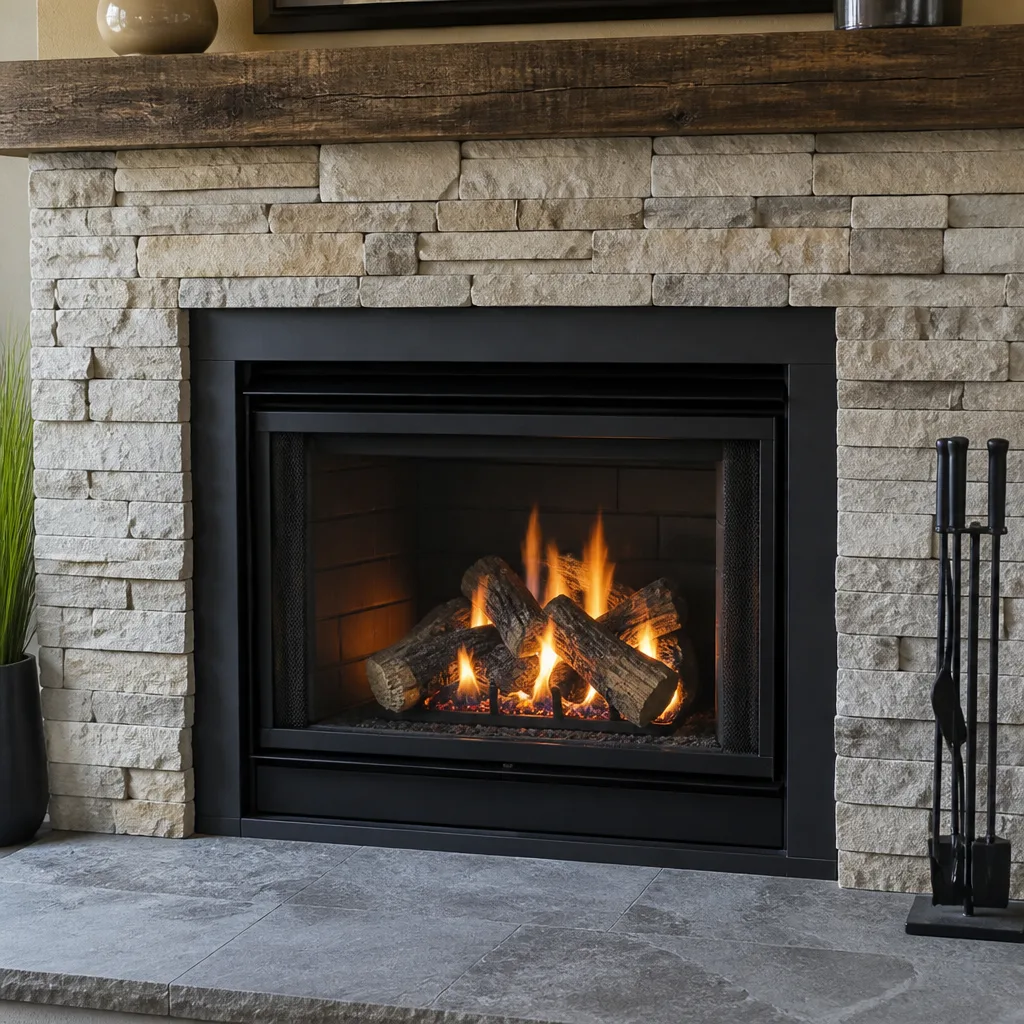 Gas fireplace service
Level 1 sweep and inspection to the NFPA 211 annual standard - flue, crown, cap, and flashing checked and photographed
Chimney sweep logs do not sweep chimneys. They loosen some creosote - which then falls where a brush and vacuum still have to collect it.
Chimney Cleaning Warning Signs: A Lake Elsinore Homeowner’s Reference Guide
Most homeowners in Lake Elsinore assume a fireplace problem announces itself with smoke pouring into the living room. That’s the late stage. The earlier warnings are quieter, and they get missed precisely because they don’t look dramatic. A sulfur smell gets blamed on gas. A dark stain above the firebox gets painted over. A faint clicking sound from the flue gets ignored. Each of those is mechanical information about what’s happening inside your chimney system, and reading them correctly is the difference between a routine cleaning and a five-figure rebuild. This guide explains what each warning sign actually means, why it’s happening, and whether you’re looking at a maintenance item, a repair, or a stop-using-the-fireplace-today situation.
Quick Answer
The most common chimney warning signs in Lake Elsinore are a persistent sulfur or campfire smell when the fireplace isn’t in use, dark staining around the firebox opening or on interior walls near the chimney, visible flaking or spalling on exterior masonry, a fireplace that smokes only when interior doors are closed, and a dull thud instead of a clean metallic ring when you tap the clay flue liner during an inspection. If you notice more than one of these, you’re usually looking at a system overdue for service rather than a single isolated issue. Call (833) 589-9415 for a free estimate. We answer 24/7. Fast dispatch from 7am to 7pm, Sunday through Friday.
Styles & brands we work with
- Sweep & inspection
- Caps & crowns
- Flue relining
- Masonry repair
- Gas fireplace service
Table of Contents
- Smoke Backdraft: Dirty Flue vs. Negative House Pressure
- What Dark Staining Around the Firebox Actually Reveals
- Efflorescence vs. Active Water Infiltration: Which Is an Emergency
- Sound and Smell Signatures: First-Degree Soot vs. Third-Degree Glazed Creosote
- Warning Signs Unique to Gas Inserts and Direct-Vent Systems
- How Lake Elsinore’s Climate and Housing Stock Shape Chimney Wear
- Common Mistakes to Avoid
- When to Call a Professional
Smoke Backdraft: Dirty Flue vs. Negative House Pressure
Smoke rolling back into the room is the warning sign every homeowner recognizes, but almost no one correctly diagnoses. The assumption is always a dirty flue. Sometimes that’s right. Often it isn’t. Lake Elsinore’s housing mix matters here. An older single-story home near the lake behaves differently from a newly built tract home in the Canyon Hills area. A dirty flue restricts the passage of exhaust gases because a layer of creosote or soot has physically narrowed the opening. That’s a chimney problem. Negative house pressure is a house problem that shows up at the fireplace. If a kitchen exhaust fan pulling 400 cubic feet per minute is running, a bathroom vent is on, and the house is sealed tight, the fireplace becomes the easiest source of makeup air. The room pulls air down the chimney, carrying smoke with it. Same symptom, opposite root causes.
Here’s the quick diagnostic difference. If smoke backs up only when specific exhaust appliances are running, that’s negative pressure. The chimney may be perfectly clean. If smoke backs up even with no fans running and windows closed, that’s more likely a flow restriction: creosote buildup, a partial blockage, or an improperly sized flue. A chimney sweep performing a Level 1 inspection can usually tell which one you’re dealing with within the first few minutes, before any cleaning happens. That diagnostic step matters because the fix for negative pressure isn’t a sweep. It’s makeup air or ventilation adjustment. Paying for a cleaning that won’t solve the problem is exactly what Chimney Sweep Lake Elsinore tries to prevent with an inspect-first approach. We don’t sell cleanings to fix airflow problems that originate in the house.
What Dark Staining Around the Firebox Actually Reveals
Dark staining above the fireplace opening is one of the most misread signs in chimney diagnosis. Homeowners see it, assume it’s cosmetic, and repaint. The stain returns. That’s because the stain is evidence of where in the flue system airflow is breaking down. When exhaust isn’t moving up the flue with enough velocity, the smoke cools and condenses on the masonry just above the opening. The dark residue left behind is condensed tar and soot, and the height and pattern of the stain tell you something specific.
A stain that sits low, tight to the firebox opening, often points to a flue that’s slightly oversized for the fireplace or a damper not opening fully. Smoke loses velocity and spills into the room just above the opening. A broader, higher stain that spreads across the face of the chimney is usually worse: it indicates the flue itself is compressing the draft, often from heavy creosote, a damaged flue liner, or an improperly terminating chimney crown. In our experience around Lake Elsinore, the higher and wider the stain, the more likely the problem is mechanical rather than cosmetic. We never recommend painting over it without determining why it’s there first. A stain is data, and it almost always points to a draft problem that a cleaning or a repair will resolve. If the staining appears on interior drywall adjacent to the chimney chase rather than on the firebox masonry itself, that’s a different conversation: water is getting into the wall cavity, and that’s a structural beacon, not a drafting one.
Efflorescence vs. Active Water Infiltration: Which Is an Emergency
White, chalky deposits on exterior chimney brick confuse a lot of homeowners. It looks like a problem, and sometimes it is, but not always. Efflorescence is a mineral deposit left behind when water moves through masonry and evaporates. The water dissolves salts inside the brick and mortar, and when it reaches the surface and dries, those salts stay behind as a white residue. Efflorescence on a Lake Elsinore chimney is usually a surface condition. It means water is passing through the masonry, which isn’t ideal, but it’s not an emergency. It typically shows up during the wetter winter months and fades in the dry heat of summer.
Active water infiltration is different. It shows up as darker, persistent moisture staining, interior wall dampness around the chimney breast, crumbling or spalling brick faces, or mortar joints that have turned to sand. In a Lake Elsinore summer, a chimney that’s still wet a week after the last rain isn’t dealing with surface moisture. It’s holding water. That’s the line between monitoring and acting. Efflorescence you can watch. Spalling brick, eroded mortar joints, and dampness migrating into the house mean the chimney structure is losing integrity, and in a fireplace that’s still in use, that’s a safety issue. Water-damaged flue liners crack under heat cycling, and that’s when flue gases find their way into wall cavities. The symptom starts as a stain and ends as a carbon monoxide risk. If you’re looking at a white residue you can brush off with a finger, it’s worth watching. If you’re looking at brick that’s shedding its face, call us before you light another fire.
Sound and Smell Signatures: First-Degree Soot vs. Third-Degree Glazed Creosote
Creosote isn’t one substance. It’s a family of combustion byproducts that range from a flaky, gray-black powder to a hard, shiny, tar-like glaze. Those forms behave differently, smell differently, and respond to cleaning differently. First-degree creosote forms during hot, efficient fires and settles as a loose soot. It brushes off easily. It smells like a mild campfire when the fireplace is open, and it’s what most people think all creosote is. Third-degree creosote doesn’t form in hot fires. It forms during smoldering, low-oxygen burns; unseasoned wood, a closed damper, or a fireplace used more for ambiance than heat. It condenses on the flue as a liquid tar and then bakes into a hard glaze under subsequent fires.
The smell signature is the giveaway. First-degree soot smells faintly smoky, and only when you’re close to the fireplace. Third-degree glazed creosote has a sharp, acrid, almost asphalt-like smell that can fill the room even with the damper closed. It’s especially noticeable on humid days, when the glaze absorbs moisture from the air. The sound signature also differs. In our experience, tapping a brush against a first-degree deposit produces a soft scuff. Third-degree glaze gives a hard, glassy tick, like tapping a bottle. It’s not something a homeowner can easily check without getting inside the flue, but it’s one reason a professional inspection matters: the difference between a $200 sweep and a $2,000 liner situation is sometimes only visible after the soot comes off. If we find that glaze, we’re usually talking about mechanical removal, not a light brushing. And if it’s advanced, we’re talking about whether the underlying liner is still sound.
Warning Signs Unique to Gas Inserts and Direct-Vent Systems
Gas fireplaces don’t produce creosote, so they get ignored by checklists written for wood-burning systems. But gas inserts and direct-vent setups have their own failure modes, and some of them are invisible. The most serious is carbon monoxide. Gas is clean-burning compared to wood, but if the venting system is compromised, the byproducts of incomplete combustion don’t announce themselves with smoke. A direct-vent system pulls outside air for combustion and exhausts through a coaxial pipe. When that pipe is blocked by debris, an insect nest, or a shifted component, the combustion gases have nowhere to go.
Here’s what a homeowner notices before a CO alarm goes off. The flame changes color, shifting from a steady blue to a lazy yellow or orange, which indicates incomplete combustion. Sooty deposits appear on the ceramic logs or the glass, something wood-burning guides call a cleaning issue but which in a gas unit is a venting red flag. Moisture or condensation collects on the inside of the glass, which means the unit isn’t drafting properly and combustion moisture is staying inside the firebox. A persistent smell of rotten eggs or sulfur is the most commonly reported sign in Lake Elsinore homes with gas appliances, and it’s the one that gets misattributed. Yes, a sulfur odor can mean a gas leak, and if you smell it, especially with a hissing sound, you should ventilate and call your gas utility. But in older Lake Elsinore chimneys, sulfur odor also comes from pyrite, a common mineral in the local masonry, reacting with moisture. That’s a chimney issue, not a gas line issue. If the fireplace has a standing pilot and the smell persists when the gas valve is off, you’re likely dealing with pyrite oxidation in the masonry, not a leak. The right first call is a chimney inspection, not an emergency gas call. If you’re not sure which situation you’re in, call us. We’d rather tell you it’s the gas company’s call than have you guess wrong.
How Lake Elsinore’s Climate and Housing Stock Shape Chimney Wear
Lake Elsinore has a specific profile that shapes how chimneys fail here, and it’s different from what you’d find in coastal San Diego or the San Bernardino mountain communities. The summers are long and hot, with sustained temperatures that bake masonry and accelerate the expansion and contraction of brick, mortar, and flue liners. The winters are mild, with rain concentrated in a few months, which means water gets in, and then the heat dries it out quickly. That cycle stresses mortar joints and creates the conditions for spalling brick that we see on older chimneys throughout the city, from the neighborhoods around the lake to the hillside developments.
Housing age matters too. A significant portion of Lake Elsinore’s older housing stock was built before modern flue liner standards were universal, and those chimneys have been through decades of use. Many original clay tile liners are now cracked, spalled, or missing mortar between sections. In a wood-burning chimney, a cracked liner is a code and safety violation, and it’s one of the most common findings on a Level 2 inspection here. The good news is that a full chimney rebuild is rarely the only option anymore. We use Lake Elsinore as our home base and see this pattern constantly. When we find a damaged flue, our first questions are whether it can be relined with a DuraFlex flexible liner system or resurfaced with HeatShield, which restores the interior without tearing down the chimney. Both options preserve the original structure while creating a safe, code-compliant flue path. In the dry heat of a Southern California summer, unprotected masonry also dehydrates more quickly, which is why we recommend crown repair and proper cap installation as preventive measures, not upsells. A chimney that sheds water correctly lasts decades longer here than one that doesn’t, and a Gelco cap is one of the most cost-effective preventions we install.
- Inspect the exterior masonry after heavy rain. Look for brick faces that have flaked off, mortar joints that can be scraped with a finger, or a white, chalky film that appears and disappears.
- Check the firebox for staining before you light the first fire of the season. If there’s dark residue above the opening, don’t paint it. Find out why it’s there.
- Pay attention to smells when the fireplace is cold. A sharp, tar-like odor with the damper closed is a stronger signal than smoke while it’s burning.
- Run your bath fans and range hood together, then light a match. If the fireplace suddenly backdrafts only under that load, your problem is likely house pressure, not the chimney.
- Listen to your gas insert. A gas fireplace that produces soot on the glass or yellow flame tips is telling you something about the vent, and it’s not a cleaning-only issue.
None of these steps require special tools, and all of them give you information you can act on with confidence. But knowing what to watch for is only half the battle. Knowing what to do when you find something is where a diagnostic chimney professional earns their keep. We’ve been the company homeowners call after they’ve guessed wrong twice, and the theme is always the same: the sign was there months earlier.
Common Mistakes to Avoid
- Assuming smoke means a dirty chimney. In Lake Elsinore homes with tight envelopes and modern exhaust appliances, the cause is frequently negative pressure. Cleaning won’t fix that, and you’ll have paid for a service that doesn’t address the root problem.
- Painting over firebox staining. The stain is a draft indicator. Covering it removes the visual evidence without solving the airflow problem, and it comes right back. You’ll end up with a painted problem instead of a diagnosed one.
- Ignoring a sulfur smell because you don’t have gas. Pyrite in older masonry produces sulfur odors without any gas line presence. If there’s no gas smell outside the fireplace and no hiss, it’s likely a chimney condition, and it’s worth getting a professional read.
- Treating a gas fireplace like it needs no service. Gas inserts and direct-vent systems fail differently, and sometimes more dangerously, than wood-burning fireplaces. The absence of smoke doesn’t mean the absence of exhaust problems.
- Assuming a cracked liner means a full rebuild. With relining options like DuraFlex and resurfacing systems like HeatShield, a lot of liners we see in Lake Elsinore don’t need a teardown. Getting a second opinion before approving a rebuild is always the right move.
- Scraping creosote yourself with improvised tools. Hard, glazed creosote requires mechanical removal equipment, and scraping at it with a wire brush or scraper from the firebox is ineffective and can damage the flue. This is a trained-professional job, not a weekend project.
- Ignoring dryer vent cleaning as a separate fire risk. Homeowners focus on the chimney and forget that the dryer exhaust is a leading cause of home fires according to NFPA data. One call can address both systems, and the combined peace of mind is significant.
When to Call a Professional
You don’t need to be certain before you call. That’s the professional’s job. But there are trigger points where waiting is the wrong decision. If you see smoke entering the living space, stop using the fireplace and call. If you smell an acrid, tar-like odor with the damper closed, that’s glazed creosote or a draft failure, and you should get it inspected. If you see visible water staining on interior walls around the chimney or crumbling brick on the exterior, you’re past the monitoring stage. If your gas insert is producing soot, yellow flames, or moisture inside the glass, stop using it and call. If a CO detector has gone off near the fireplace, do not ignore it and do not assume it’s a false alarm. Ventilate the space and call a professional. Chimney Sweep Lake Elsinore offers free estimates in Lake Elsinore. Call (833) 589-9415. We answer 24/7. Fast dispatch from 7am to 7pm, Sunday through Friday.
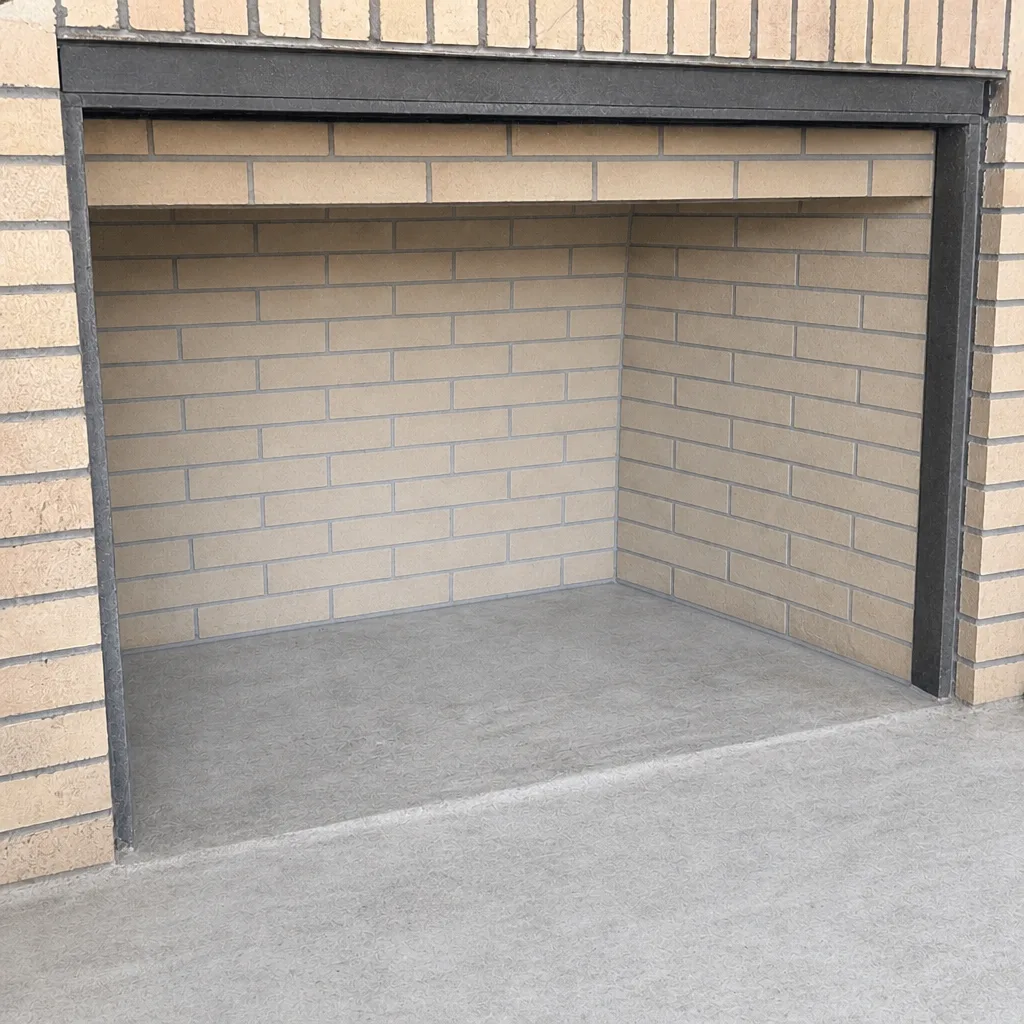
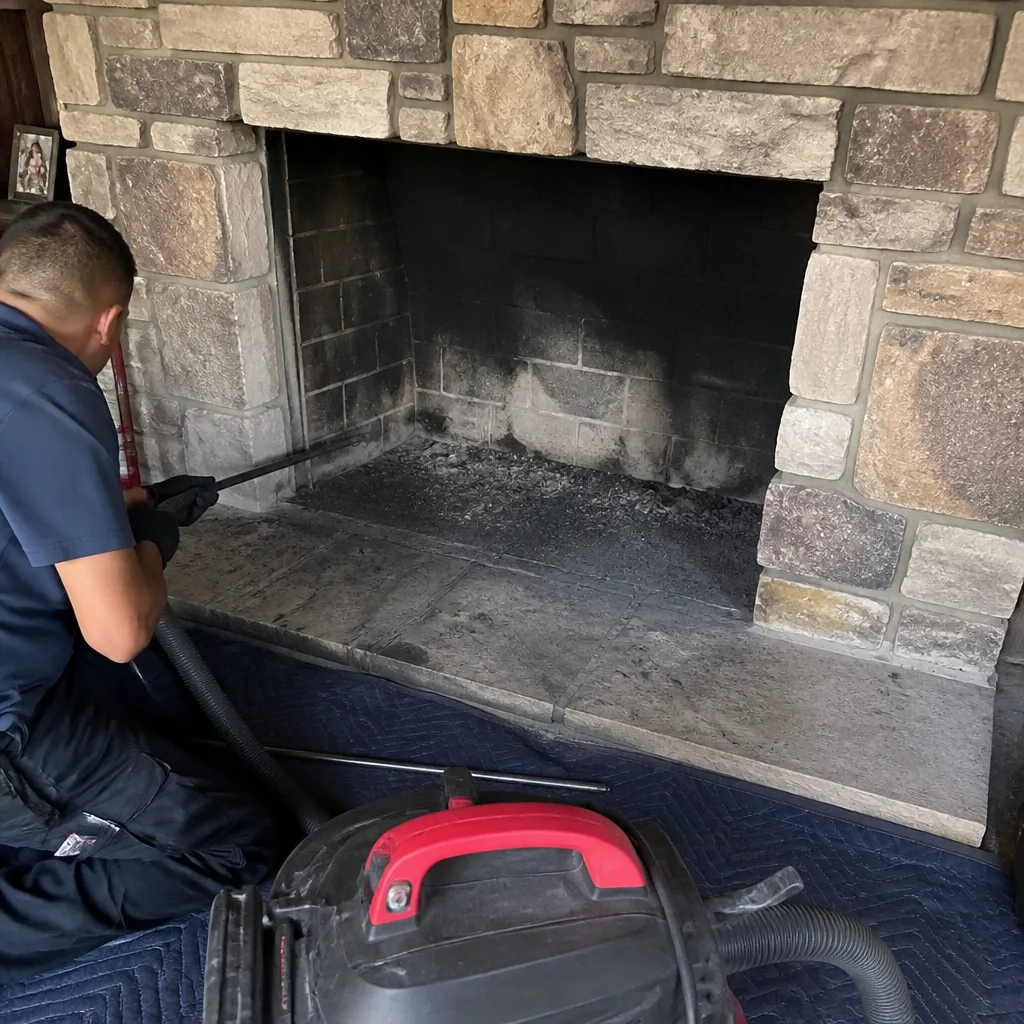
See the difference
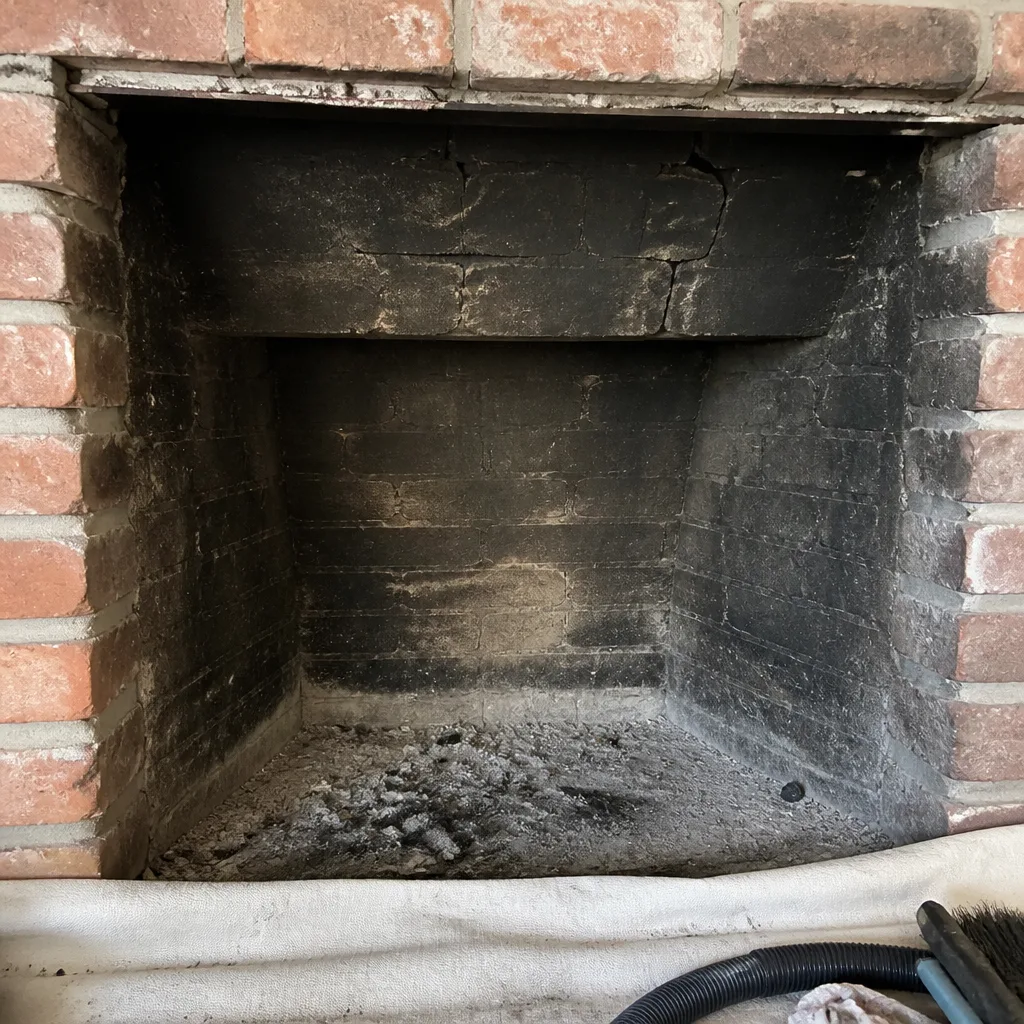 Before
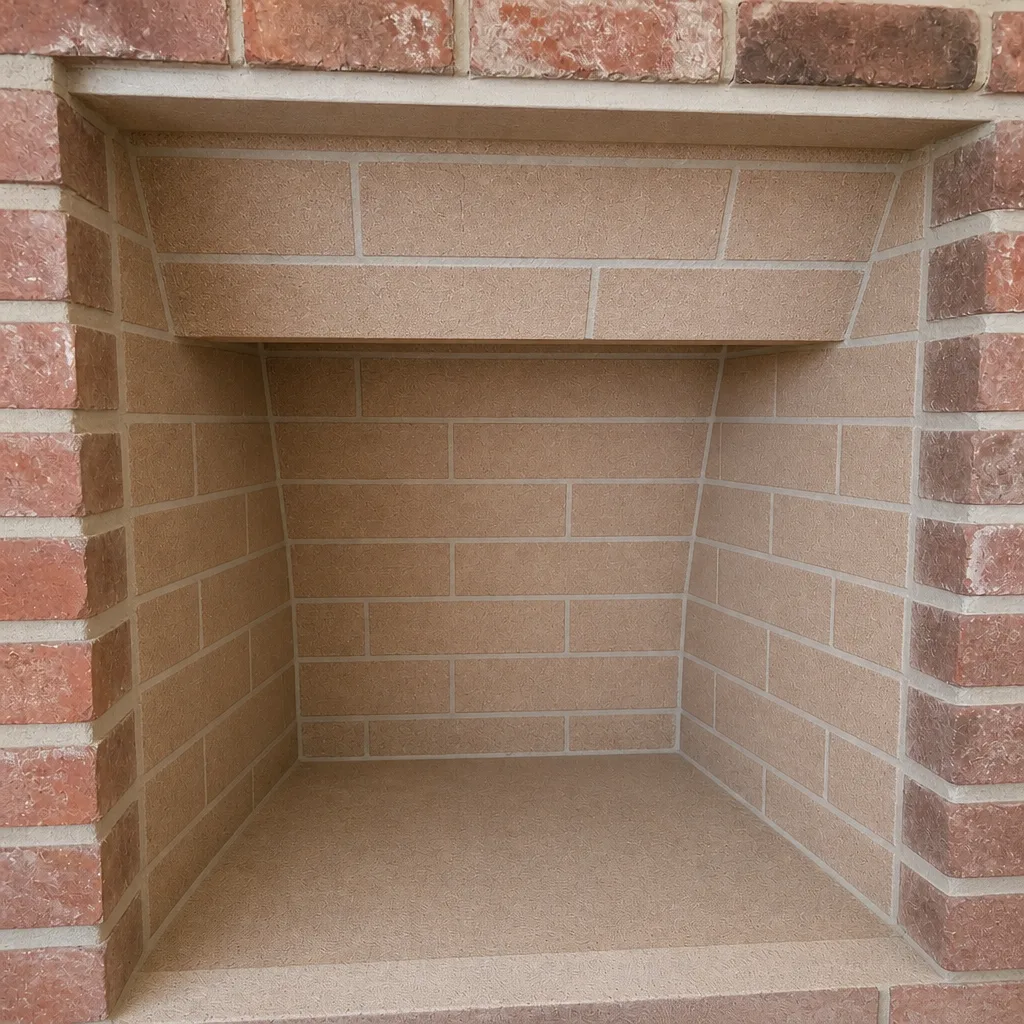 After
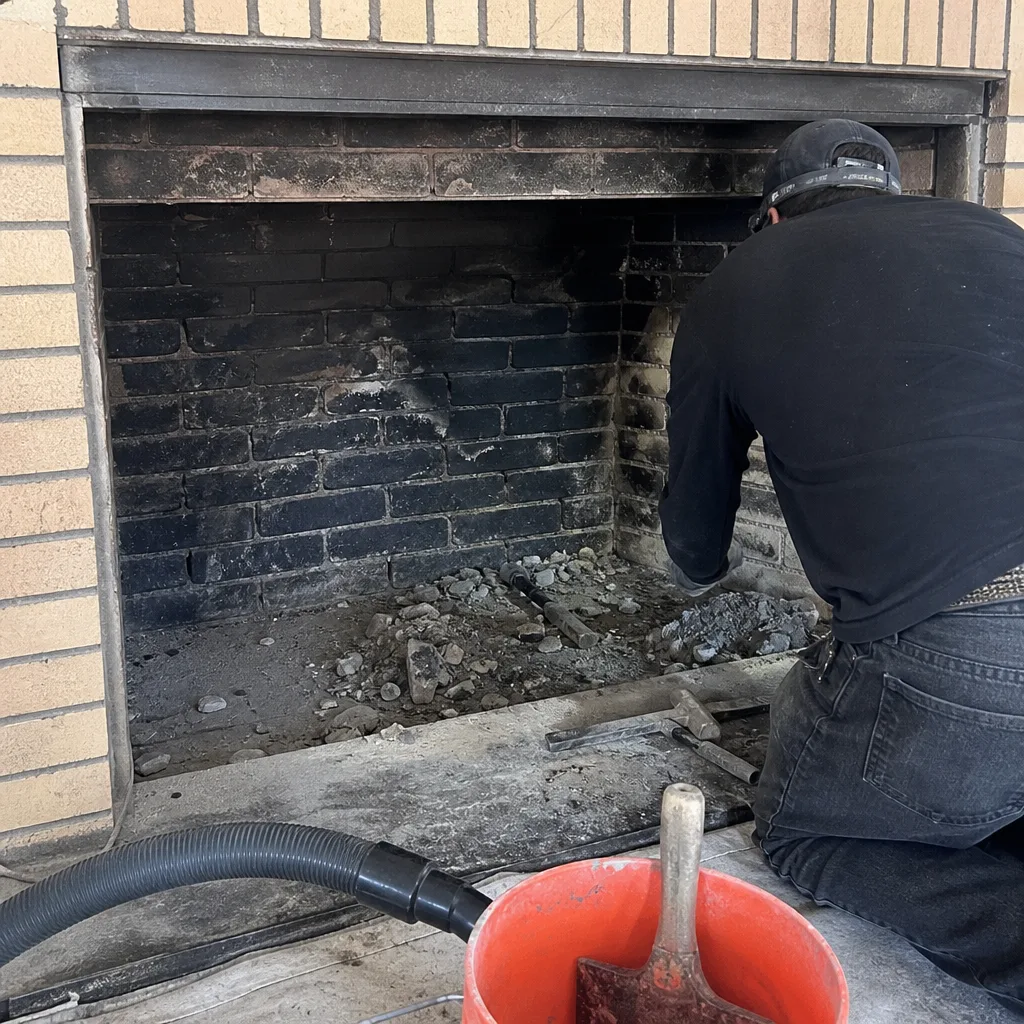 Before
 After
 Before
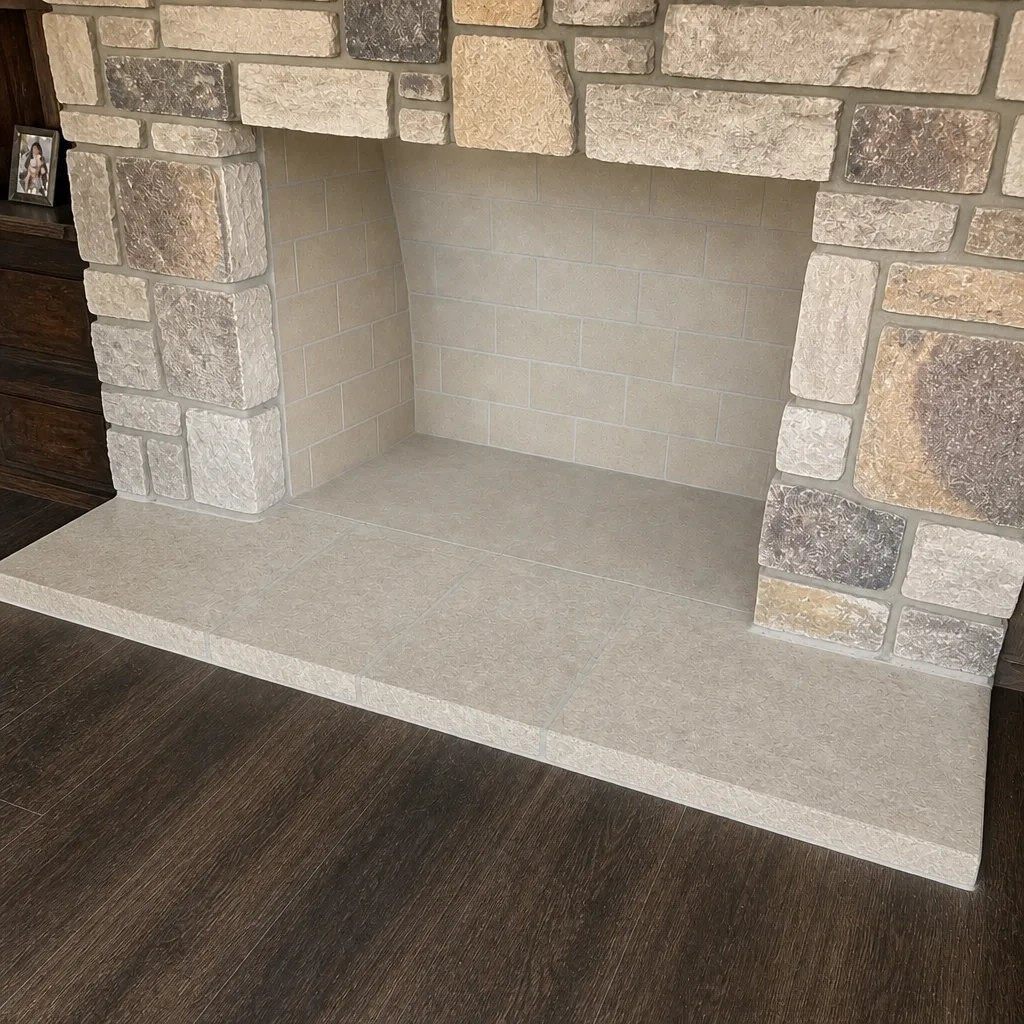 After
Frequently Asked Questions
A standard chimney sweep in Lake Elsinore typically runs between $180 and $350, depending on the level of buildup, the height and accessibility of the chimney, and whether repairs are needed. If glazed creosote is present, the price rises because mechanical removal takes longer. We don’t quote over the phone without seeing the system, but the estimate is free and the written price is set before any work begins. Call (833) 589-9415 for an exact quote.
The National Fire Protection Association recommends an annual inspection and cleaning as needed, and that’s the minimum we’d suggest for any wood-burning fireplace in Lake Elsinore. If you burn more than a cord of wood per season, burn unseasoned wood, or use the fireplace as a primary heat source, you may need more frequent service. A gas insert should be inspected annually even though it doesn’t create creosote, because venting failures are harder to detect.
Soot and creosote accumulate, the flue passage narrows, and draft efficiency drops, which means more smoke in the living space and more creosote deposited per fire. At a certain concentration, creosote becomes a fuel load, and a chimney fire can ignite inside the flue, which can crack liners and transfer heat into the surrounding structure. In a gas unit, skipping service can allow vent blockages to develop silently, which is a carbon monoxide risk. The most expensive chimney repair we see in Lake Elsinore is the one that could have been avoided with a $250 sweep.
Sometimes, but less often than homeowners are led to believe. If a clay tile liner is cracked, spalled, or has gaps between sections, it doesn’t always require a full teardown. A stainless steel reline with a DuraFlex system can create a new, code-compliant flue path inside the existing chimney. In cases where the clay liner is intact but the surface has deteriorated, HeatShield resurfacing can restore the interior. We always show you the camera footage before recommending any of this, because you shouldn’t approve a liner replacement based on someone else’s word. If we can’t show you the damage, we don’t mandate the repair.
That’s usually humid air moving down the chimney and picking up the odor of accumulated creosote inside the flue. It’s more common in Lake Elsinore during the relatively humid winter months, but it can happen any time the air pressure and moisture conditions line up. The fix is usually a sweep to remove the creosote, and sometimes a better cap or a top-sealing damper to stop the air movement. If the smell is sharp and tar-like rather than faintly smoky, you’re likely dealing with heavier deposits, and you should get it inspected before burning again.
First, ventilate the space. Open windows and doors. Then leave the house and call your gas utility or 911 if you feel unwell. Do not assume it’s a false alarm. Once the immediate situation is resolved, call (833) 589-9415 and we’ll inspect the chimney or venting system to identify the source. We answer 24/7. Fast dispatch from 7am to 7pm, Sunday through Friday.
The Bottom Line
Chimney warning signs are not random annoyances. Each one provides specific information about where the system is failing, and reading that information correctly changes the repair path. Smoke is a draft problem, but the cause may be the house or the flue. Dark staining is a draft indicator, not a cosmetic issue. Efflorescence is surface-level; spalling is structural. A sulfur smell is often pyrite, not gas. A gas insert sooting its glass is a venting failure, not a cleaning reminder. Lake Elsinore’s climate and housing stock create predictable failure patterns, and most of them don’t require a full rebuild. The right answer usually sits somewhere between doing nothing and replacing everything, and finding that answer starts with an inspection that tells the truth. Call (833) 589-9415 for a free estimate. We answer 24/7. Fast dispatch from 7am to 7pm, Sunday through Friday.
Written by the team at Chimney Sweep Lake Elsinore, serving Lake Elsinore since 2013.