
Last updated November 4, 2026
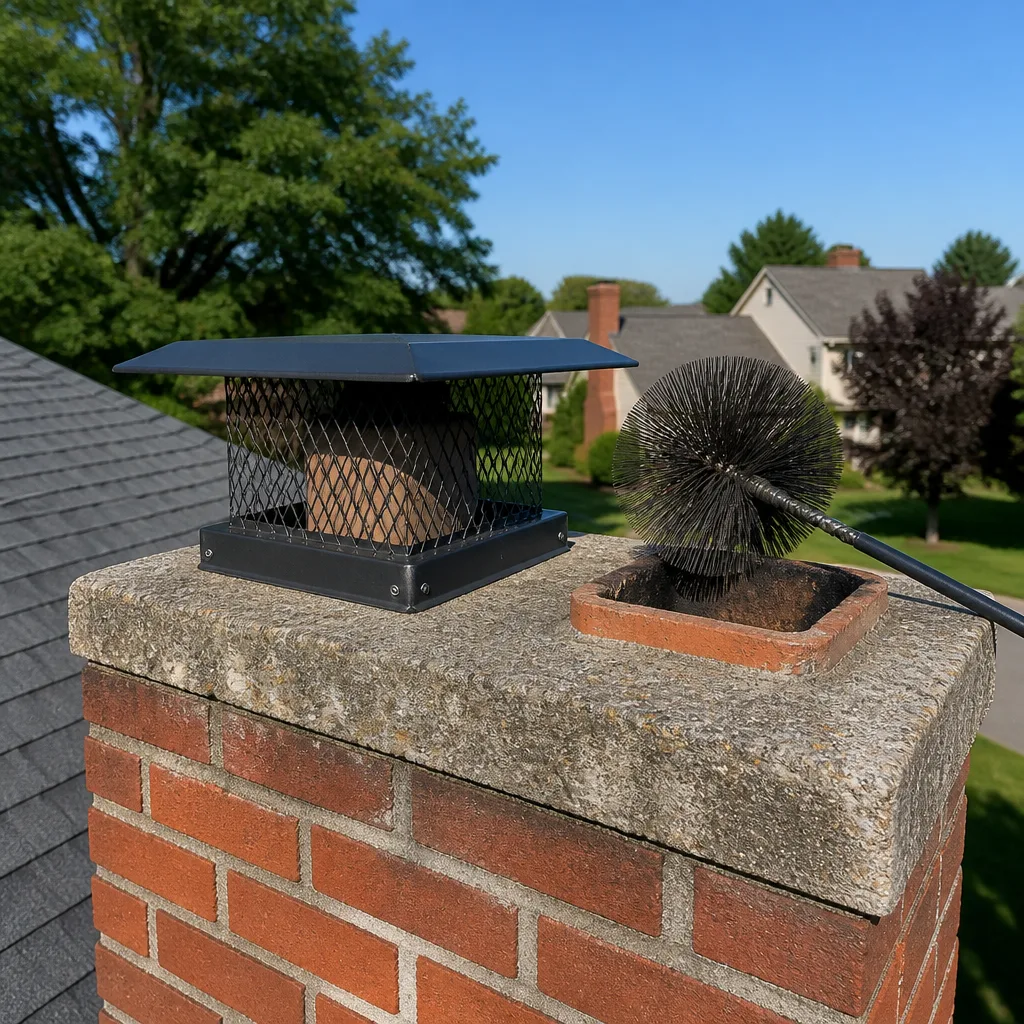 Sweep & inspection
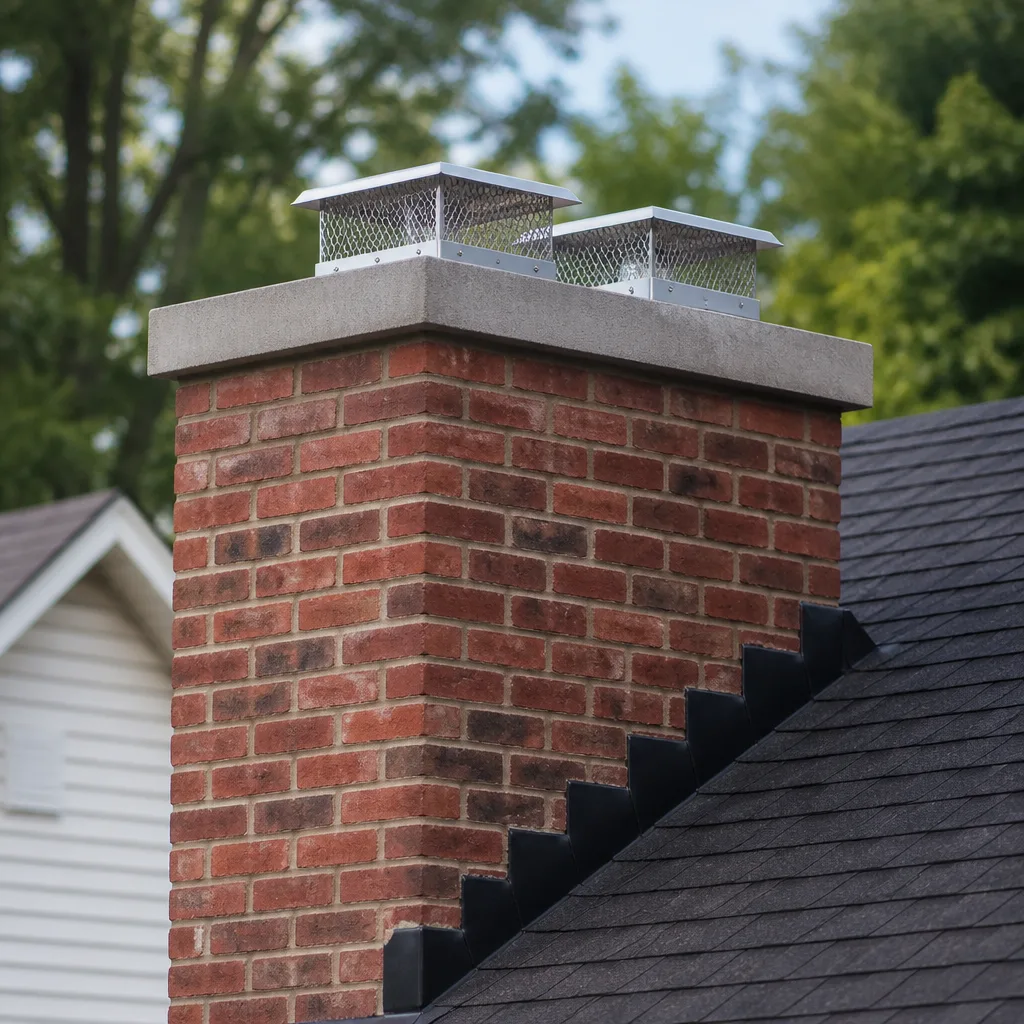 Caps & crowns
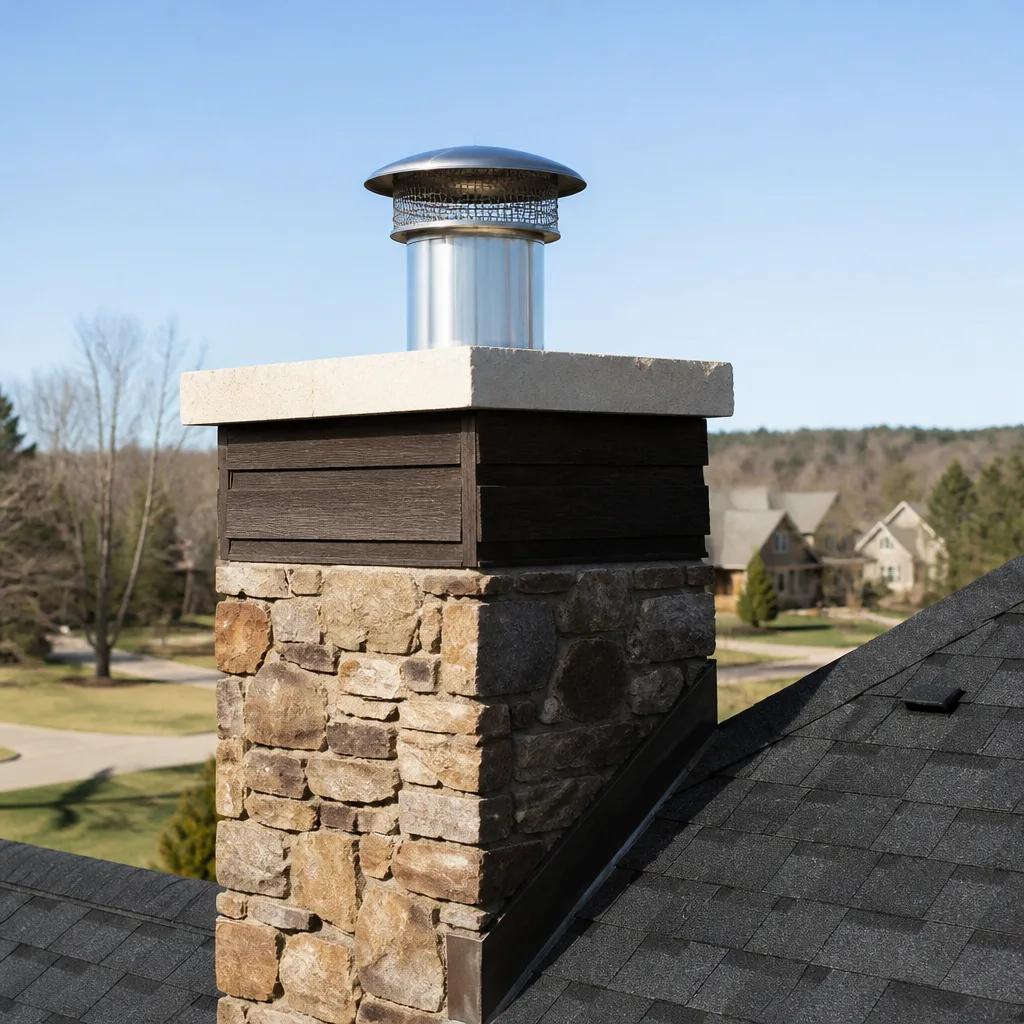 Flue relining
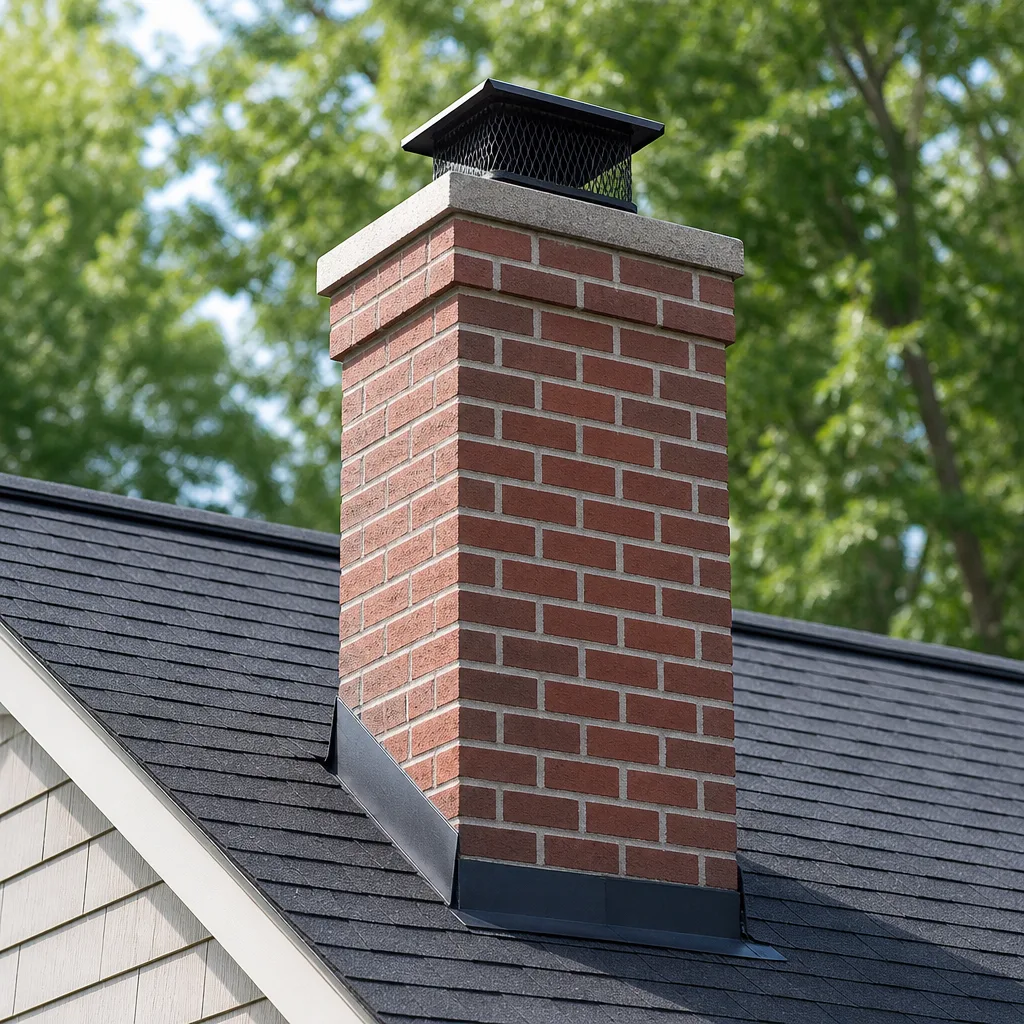 Masonry repair
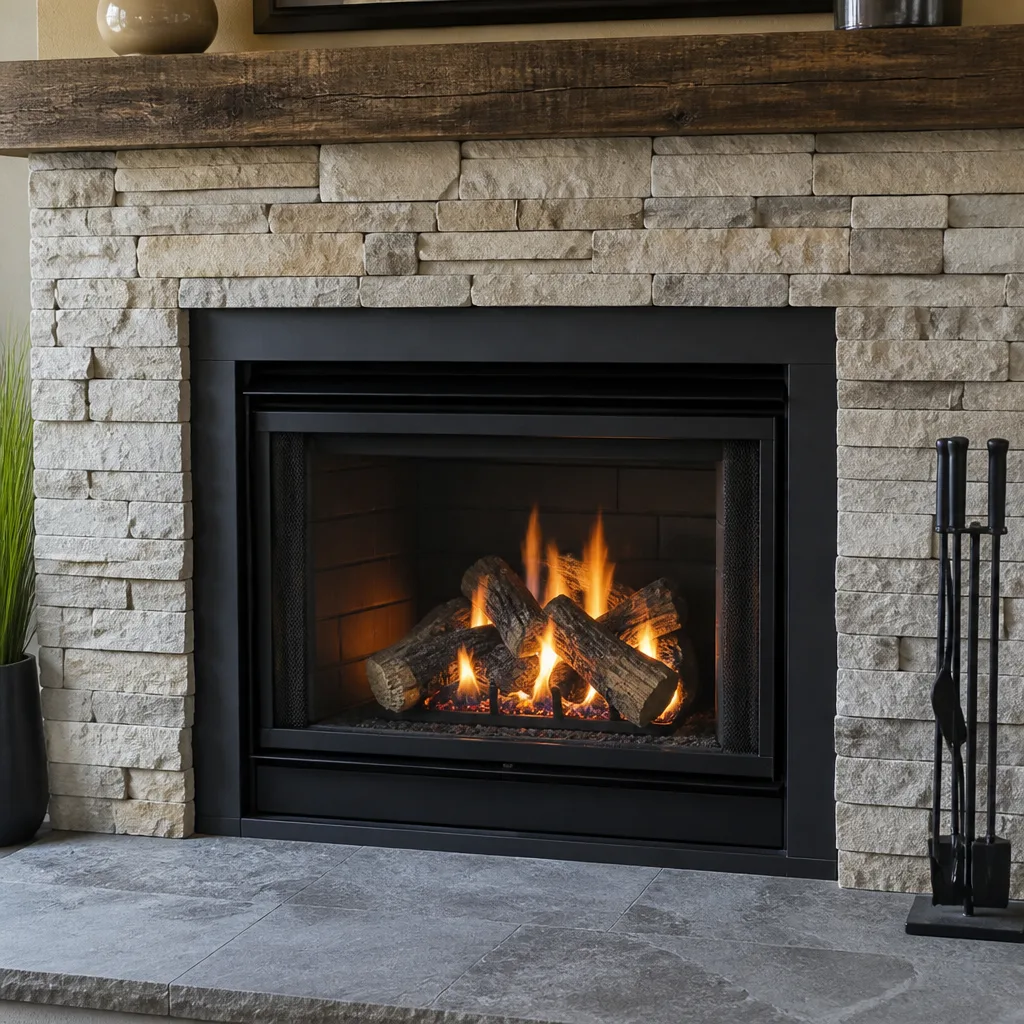 Gas fireplace service
Level 1 sweep and inspection to the NFPA 211 annual standard - flue, crown, cap, and flashing checked and photographed
Chimney sweep logs do not sweep chimneys. They loosen some creosote - which then falls where a brush and vacuum still have to collect it.
Chimney Sweep Troubleshooting in Lake Elsinore: Common Problems and How to Fix Them
Here’s something that surprises a lot of Lake Elsinore homeowners: a smoky firebox right after a professional cleaning usually isn’t a sign the sweep did a bad job. It’s often a pressure diagnostic clue that the cleaning itself revealed an underlying airflow problem your chimney had been masking with built-up creosote or debris. When we remove that material, we change how air moves through the flue, and any pre-existing drafting weakness suddenly becomes visible. This guide maps the symptoms you can observe from your living room to their actual mechanical causes, so you can decide whether you’re looking at a quick adjustment or a repair that needs professional attention.
Quick Answer
Most chimney problems in Lake Elsinore fall into four categories: airflow restrictions (creosote, debris, or animal nests), drafting failures (caused by pressure differentials or flue sizing), moisture intrusion, and mechanical component wear (dampers, caps, or flashing). The specific symptom you see, whether it’s smoke coming into the house, a strange odor in summer, or staining above the firebox, points to one of these root causes. Diagnosing correctly before calling anyone saves you from paying for a repair that doesn’t address the actual problem.
Styles & brands we work with
- Sweep & inspection
- Caps & crowns
- Flue relining
- Masonry repair
- Gas fireplace service
Table of Contents
- Santa Ana Winds and Negative Pressure: The Lake Elsinore Wildcard
- Smoke Coming Into the House: Backdraft Causes and Fixes
- Summer Chimney Odors: Why You Smell It When There’s No Fire
- Smoke Staining Above the Firebox: What the Pattern Tells You
- The Candle Flame Draft Test: A Safe 10-Minute Diagnostic
- Repair or Replace? When HeatShield and Relining Make Sense
- Common Mistakes to Avoid
- When to Call a Professional
Santa Ana Winds and Negative Pressure: The Lake Elsinore Wildcard
Lake Elsinore sits in a valley that funnels wind from the northeast during Santa Ana events, and those winds do something specific to your chimney: they create pressure differentials that can overpower normal drafting. Your chimney works because warm air inside the flue rises, pulling combustion gases with it. When a strong Santa Ana blows over the roofline, it can create a low-pressure zone at the chimney top that effectively stalls that rise. The result is smoke that hangs in the firebox or drifts into the room even though there’s no blockage anywhere in the flue.
How do you know wind is the culprit rather than a creosote restriction? Watch for these patterns:
- The smoke problem appears only on windy days, not every time you light a fire
- Opening a window slightly on the windward side of the house makes the problem worse, not better
- The draft improves noticeably when you close all exterior doors and windows
- You hear a low moaning or hollow sound from the fireplace when the wind gusts
This matters because a homeowner who misreads wind-driven backdraft as a blockage might pay for a sweep they don’t need, or worse, ignore a real creosote problem on a calm day by blaming the wind. The distinction is straightforward: creosote restrictions cause smoke on calm days too, while wind-driven backdraft is intermittent and weather-dependent. If you notice the problem only during Santa Ana events in Lake Elsinore, note that when you call for service. It changes the diagnostic approach entirely.
Smoke Coming Into the House: Backdraft Causes and Fixes
Smoke entering your living space is the most alarming chimney problem because it forces you to confront a visible failure in real time. The root causes fall into three categories, and each produces a slightly different pattern.
Creosote restriction. Creosote narrows the flue passage, reducing the volume of air that can move upward. The smoke that doesn’t fit comes back into the room. This is the most common cause in Lake Elsinore homes where wood fires burn regularly through mild winters, because the cooler flue temperatures we get in this climate allow creosote to condense and accumulate faster than in colder regions. A chimney sweep addresses this directly, and the fix is usually straightforward: remove the restriction and the draft returns.
Damaged or closed damper. The damper is a metal plate that seals the flue when the fireplace isn’t in use. If it’s rusted in a partially closed position, warped from years of heat exposure, or the handle mechanism has failed, it restricts airflow at the exact point where smoke transitions from firebox to flue. This often presents as smoke that rolls out of the top of the firebox opening rather than drifting from deeper inside.
Flue sizing mismatch. A flue that’s too large for the firebox never gets hot enough to establish a strong draft, so smoke lingers and spills. A flue that’s too small chokes the fire. This is a structural issue, not a cleaning issue, and it’s more common in older Lake Elsinore homes where fireplaces were added or modified without matching the flue dimensions to the opening. The fix is a liner system sized correctly to the appliance, often a DuraFlex flexible liner that creates the right internal diameter without a full rebuild.
The diagnostic sequence matters here. A thorough Chimney Sweep Lake Elsinore inspection starts with the simplest explanation and works toward the structural ones. You don’t want to reline a flue when the real problem is a damper that hasn’t been opened fully in years.
Summer Chimney Odors: Why You Smell It When There’s No Fire
That sour, stale smell drifting from your fireplace in August is one of the most common complaints we hear in Lake Elsinore, and the source is almost never what homeowners assume. It’s not creosote you’re smelling. Creosote has a sharp, smoky odor that’s most noticeable during or right after a fire. The summer smell is different: it’s musty, organic, or vaguely animal, and it’s driven by moisture or intrusion.
Here’s what’s actually happening. During warm months, the air pressure relationship between your house and the outdoors changes. Hot air outside, cooler air inside your air-conditioned home, and the chimney becomes a pathway for air movement in the wrong direction. That downward airflow brings whatever is inside the flue into your living space. What’s inside during summer in Lake Elsinore is often one of these:
- Rainwater that entered through a damaged or missing chimney cap, soaking into creosote deposits and promoting bacterial growth
- Nesting material from birds or rodents that found the flue accessible during spring
- Animal waste or remains from an animal that entered and couldn’t get out
- Organic debris (leaves, twigs) that accumulated without a cap and is now decomposing in the humid air
None of these are fixed by a standard sweep alone. The sequence is: remove the material and clean the flue, then install or repair the cap to stop future intrusion, then address any moisture damage. Gelco chimney caps are one of the products we stock for exactly this scenario, because the right cap does more than keep animals out, it changes the wind interaction at the flue top that can pull odors down in the first place. If you’re smelling your chimney when there is no fire, the problem is not that the chimney is dirty. It’s that something besides smoke is using it as an entry point.
Smoke Staining Above the Firebox: What the Pattern Tells You
Dark staining on the face of the fireplace above the opening is a diagnostic fingerprint. The location and shape of the staining reveal whether you’re dealing with a drafting problem, an airflow problem, or both.
When smoke spills from the top of the firebox opening and rolls up the face, it leaves a fan-shaped stain centered above the lintel. This pattern means the smoke isn’t being drawn up the flue fast enough, so it’s escaping at the top of the opening where the firebox transitions to the room. The causes are the same ones that drive backdraft: restriction, damper problems, or flue sizing. The staining just tells you it’s been happening for a while.
A different pattern, a dark film that spreads evenly across the upper portion of the firebox and the first few inches of the face, points to something else: inadequate lintel clearance. The lintel is the horizontal steel bar that supports the masonry above the firebox opening. If it sits too low relative to the firebox ceiling, it creates a surface where rising smoke collects and condenses before the draft can pull it away. This is a design or construction issue, not something that develops over time.
The difference matters for what you do next. A fan-shaped stain above the lintel says the draft needs diagnosis and possibly a cleaning or damper repair. A stain that hugs the lintel itself suggests the opening geometry is working against you, and the fix may involve a smoke guard or liner adjustment rather than another sweep. Either way, the stain pattern is worth mentioning when you schedule service, because it tells the technician which direction to look before they even set up the ladder.
The Candle Flame Draft Test: A Safe 10-Minute Diagnostic
Before you call anyone, there’s a simple test you can run that gives you real information about your chimney’s drafting behavior. It takes about ten minutes and requires nothing more than a candle or a lighter.
- Close all exterior doors and windows in the room with the fireplace. Turn off exhaust fans, the clothes dryer, and the HVAC system if it’s running.
- Light the candle and hold it just inside the firebox opening, about two inches back from the front face.
- Watch the flame. If it leans toward the flue, you have a draft pulling air up. If it leans toward the room, air is moving down the chimney into your living space. If it stands straight up, there’s no meaningful air movement in either direction.
- Open an exterior door or window in the same room. If the flame now leans toward the flue when it didn’t before, you have a pressure problem: the house is too tightly sealed, and the fire needs makeup air that it can’t get.
- Repeat the test on a windy day if you’ve been experiencing intermittent smoke problems. The difference between calm-day and windy-day drafting tells you whether wind interaction at the flue top is part of the equation.
This test doesn’t replace a professional inspection, and it can’t tell you whether creosote is present or a damper is damaged. What it does is capture one moment in your chimney’s air movement behavior, which is useful information when you call. Describing whether the flame leaned toward the room, toward the flue, or stood still gives the technician a starting point. Do not attempt any test that involves lighting the fire itself and observing smoke behavior under uncertain conditions. A candle flame is safe. A smoky room is not.
For Lake Elsinore homeowners, this test is especially useful during Santa Ana wind events, because it documents what’s happening during the exact conditions that trigger your complaint. The more specific your observations, the fewer diagnostic steps the service call needs to run through.
Repair or Replace? When HeatShield and Relining Make Sense
Every chimney eventually reaches a decision point: repair what’s there or replace the whole system. The middle path, restoring the existing structure with professional-grade materials rather than rebuilding it, is where the real value lies for most Lake Elsinore homeowners.
HeatShield is a ceramic resurfacing product that repairs damaged flue interiors from the inside. If the liner has gaps, spalling, or minor cracking, HeatShield fills and seals those openings, restoring a smooth, insulated passage for combustion gases. The alternative to this type of repair used to be a full chimney rebuild or tear-out and reline in all cases. Now, for liner damage that hasn’t compromised the structural masonry, resurfacing restores the flue without demolition. That means less cost, less dust in your home, and a job that’s measured in days rather than weeks.
Relining with DuraFlex flexible liner systems addresses a different set of problems. When the existing flue is too large for the appliance, when the original liner has deteriorated past the point where resurfacing can help, or when you’re converting to a different fuel type, a flexible liner creates a correctly sized, sealed passage inside the existing chimney. It’s the difference between replacing a chimney and upgrading the system that runs through it.
The decision framework is simple: inspect, then advise. A camera inspection shows the actual condition of the flue interior, and the recommendation follows from what we see. If the liner shows minor cracking or surface damage, HeatShield may be the answer. If the liner is gone, mis-sized, or the clay tiles have shifted, a DuraFlex reline is likely the right call. If the masonry itself is unstable, neither solution applies, and rebuild becomes the conversation. The point is that you should never be told you need a five-figure rebuild without seeing the camera evidence that explains why. Restore before you replace, when the condition allows it.
Common Mistakes to Avoid
- Assuming every smoke problem means the chimney is dirty. A dirty flue is one of several possible causes, and paying for a sweep when the real issue is a wind-driven pressure problem or a damaged damper leaves you with the same symptom and less money. Diagnose first.
- Ignoring summer odors as “just how chimneys smell.” A properly capped and sealed chimney should not produce noticeable odors in your living space during summer. That smell is information, and it usually points to moisture or animal activity.
- Waiting until burn season to think about the chimney. In Lake Elsinore, the mild winter means fireplaces sit unused for most of the year. Problems that develop during the idle months, like animal nests or rainwater entry, become emergencies the first time you want a fire in November or December.
- Running the fireplace with a partially open damper because “it seems to work.” A partially open damper restricts airflow and sends more smoke into the room, while also creating a carbon monoxide pathway into the house. If the damper hardware is binding, fix it rather than working around it.
- Skipping the cap because “the chimney has been fine without one.” The cap is the first line of defense against moisture, animals, and wind-driven downdraft. A chimney without a cap is an open pipe into your house, and in Lake Elsinore’s wet season that pipe collects water and whatever creatures find it.
- Combining chimney service with general handyman work. Chimney systems involve combustion, clearance-to-combustibles, and code requirements that generalists don’t work with regularly. A specialist who carries trade-grade materials like Famco venting components and Copperfield supplies is equipped differently than someone who shows up with a ladder and a shop vac.
When to Call a Professional
Some chimney problems are observable and diagnosable from home, but the fix usually isn’t. You should call for service when you see smoke entering the room on calm days, when you smell odors that don’t go away, when the candle draft test shows air moving down the flue, or when you see visible staining patterns above the firebox that you can’t explain. Any of these means the system isn’t functioning in a way you can ignore.
You should also call if you haven’t had the chimney inspected in the past year and you plan to use it this burn season, regardless of whether you’ve noticed a problem. The inspection either clears the system for use or finds issues before they become smoke in your living room. Chimney Sweep Lake Elsinore offers free estimates in Lake Elsinore. Call (833) 589-9415. We answer 24/7. Fast dispatch from 7am to 7pm, Sunday through Friday. The estimate sets the price per job in writing before any work begins.
While we’re out, ask about dryer vent cleaning. Dryer vents are one of the leading causes of home fires according to the NFPA, and one call covers both the chimney and the dryer exhaust. The same inspection approach applies: we look, we document, and we recommend based on what the camera shows, not on a script.
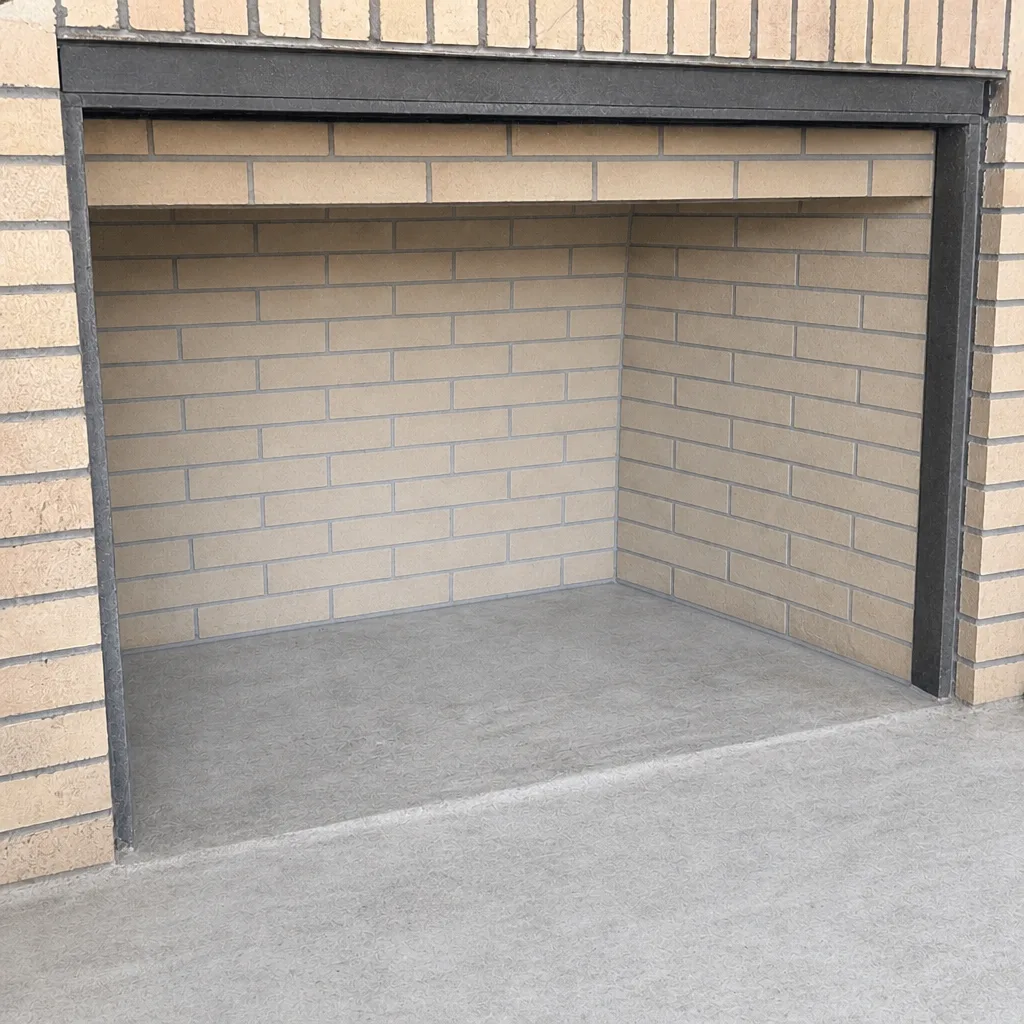
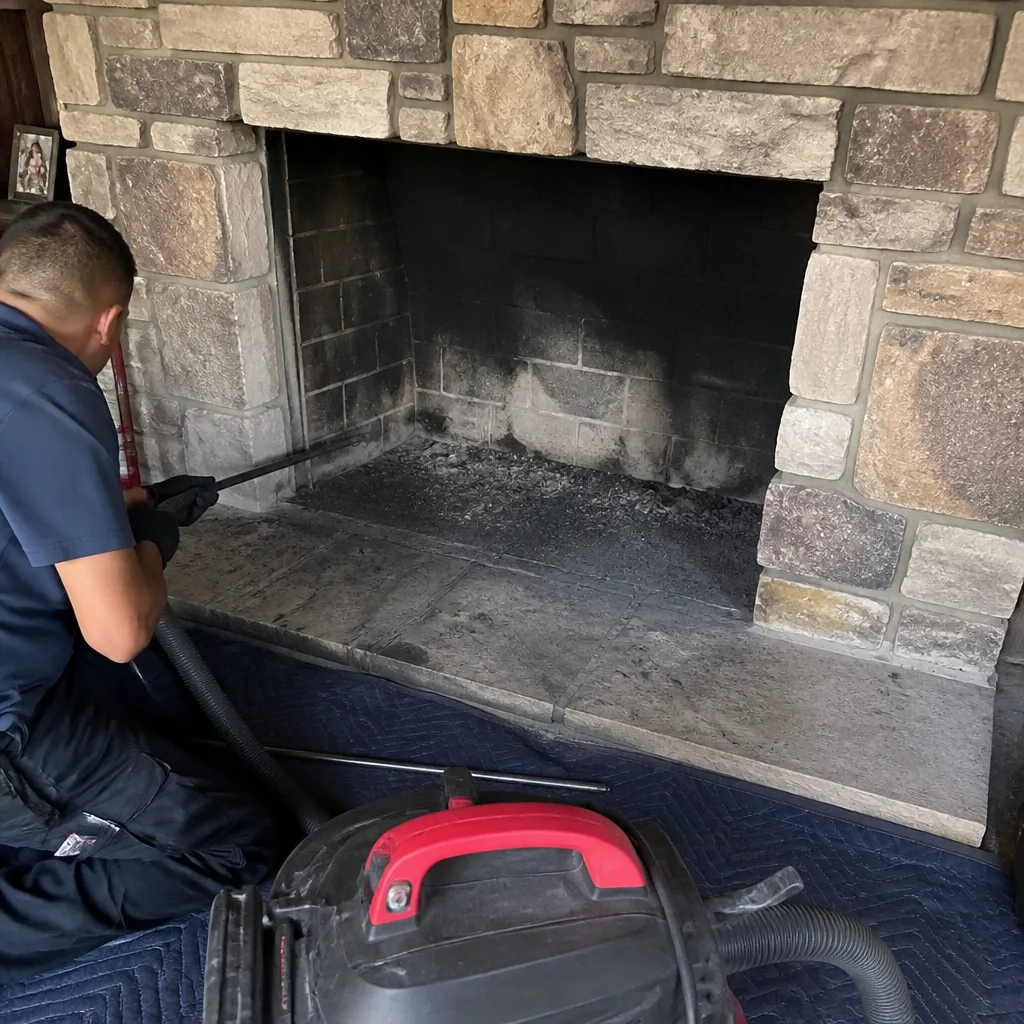
See the difference
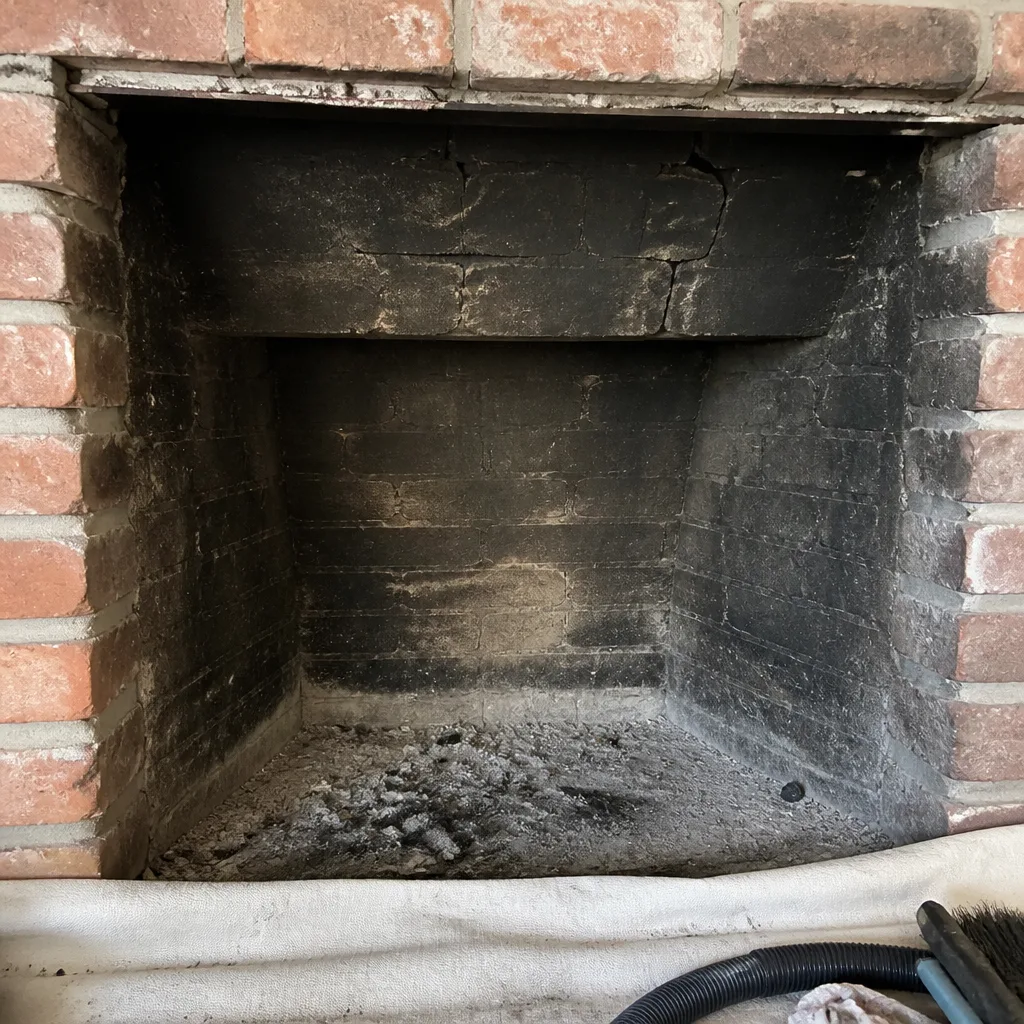 Before
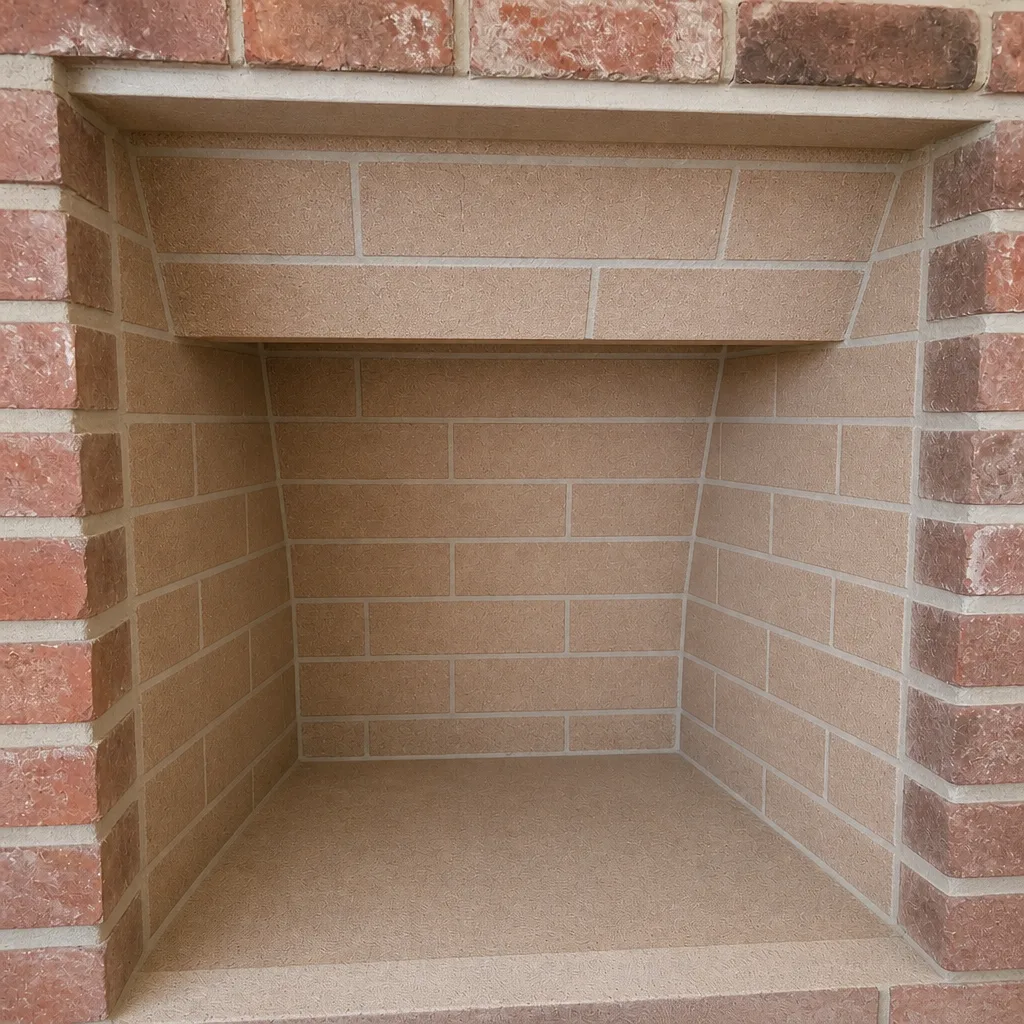 After
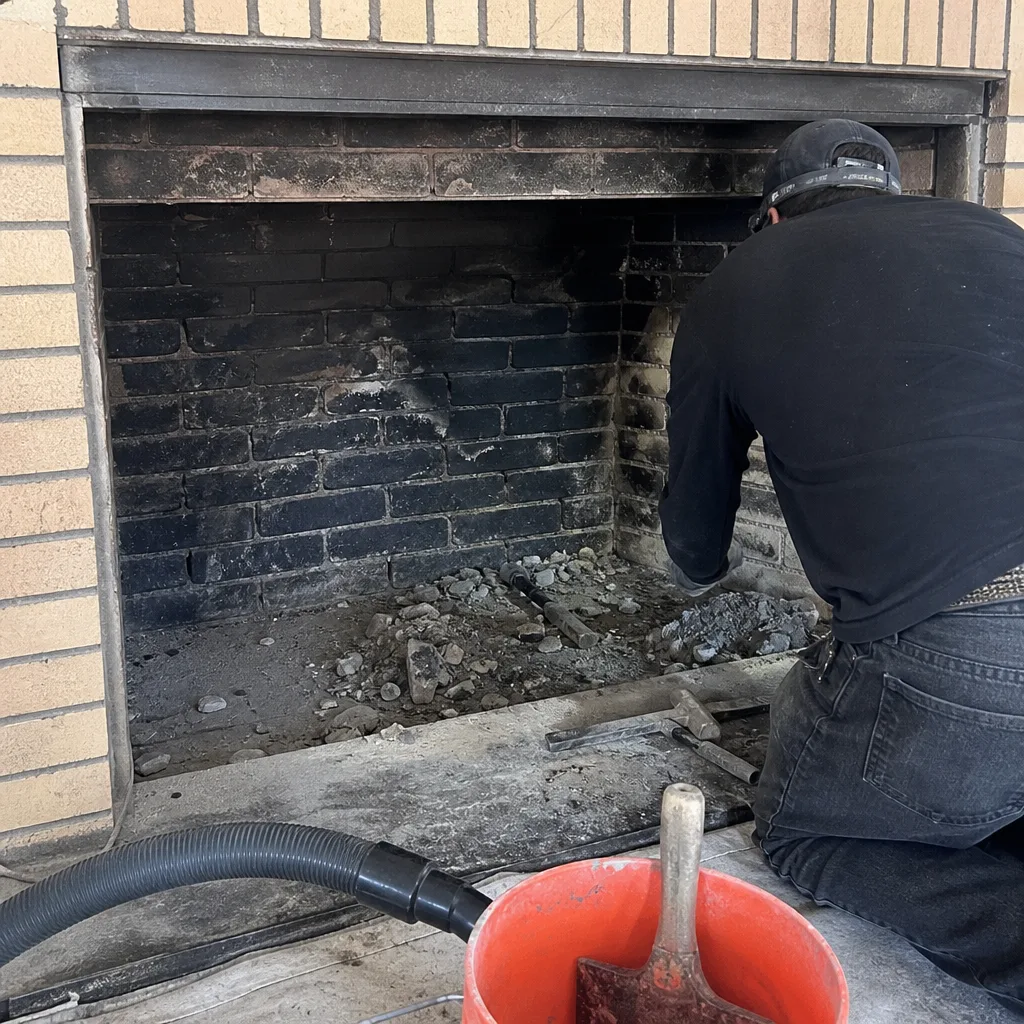 Before
 After
 Before
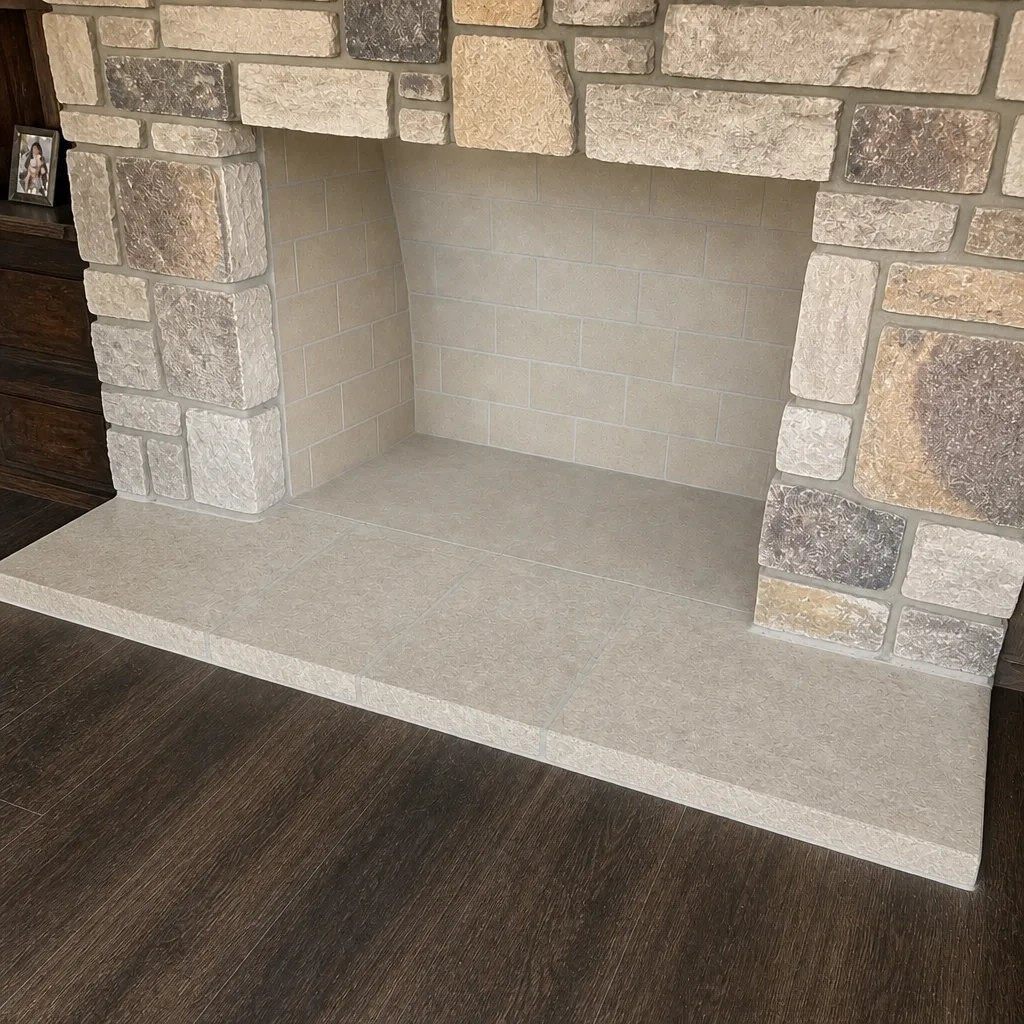 After
Frequently Asked Questions
Smoke entering your home most often means the flue is restricted, the damper is damaged or closed, or the flue is mis-sized for the firebox, and in Lake Elsinore, Santa Ana winds can also create pressure conditions that stall the draft. Check the damper first, then note whether the problem occurs only on windy days. Call (833) 589-9415 for a diagnostic inspection if it persists. Estimates are free.
Summer chimney odors usually mean moisture or animal intrusion, not dirt, because the smell drifts down from the flue when air pressure reverses in warm weather. The fix is cleaning the flue, then installing or repairing the chimney cap to stop water and animals from getting in.
A sweep addresses the buildup inside the flue; a repair addresses a mechanical or structural problem like a damper, liner, cap, or flue sizing. The way to tell the difference is an inspection with a camera, which shows the actual condition of the interior and separates a cleaning issue from a repair need.
Yes, a candle flame held inside the firebox opening shows which direction air is moving, and the test is safe because it doesn’t involve a fire. Watch whether the flame leans toward the flue or toward the room, and note the difference on calm days versus windy days in Lake Elsinore.
Sweep frequency depends on how often you burn and what you burn, but most fireplaces used regularly through Lake Elsinore’s mild winters benefit from an annual inspection that determines whether a sweep is needed. Burning unseasoned wood or soft woods can accelerate creosote buildup and shorten that interval.
Creosote accumulates, dampers rust, caps fail, and small problems compound into ones that cost more to fix, while the fire hazard from restricted ventilation increases. A few years without maintenance doesn’t guarantee a chimney fire, but it transforms one from a preventable risk into a matter of luck. Call (833) 589-9415 to schedule an inspection. We answer 24/7. Fast dispatch from 7am to 7pm, Sunday through Friday.
The Bottom Line
Chimney problems in Lake Elsinore are almost always symptoms with specific mechanical causes, and the observable patterns tell you more than most homeowners realize. Smoke that appears only during Santa Ana winds points to pressure, not blockage. Summer odors point to moisture or animals, not creosote. Staining patterns above the firebox reveal drafting failures or lintel clearance issues. Running the candle test and documenting what you see gives any technician a head start. When the diagnosis leads to a repair, options like HeatShield resurfacing and DuraFlex relining can restore an existing chimney without a rebuild. Inspect first, then act. The estimate is free, and the camera tells the truth.
Written by the team at Chimney Sweep Lake Elsinore, serving Lake Elsinore since 2013.