
Last updated November 4, 2026
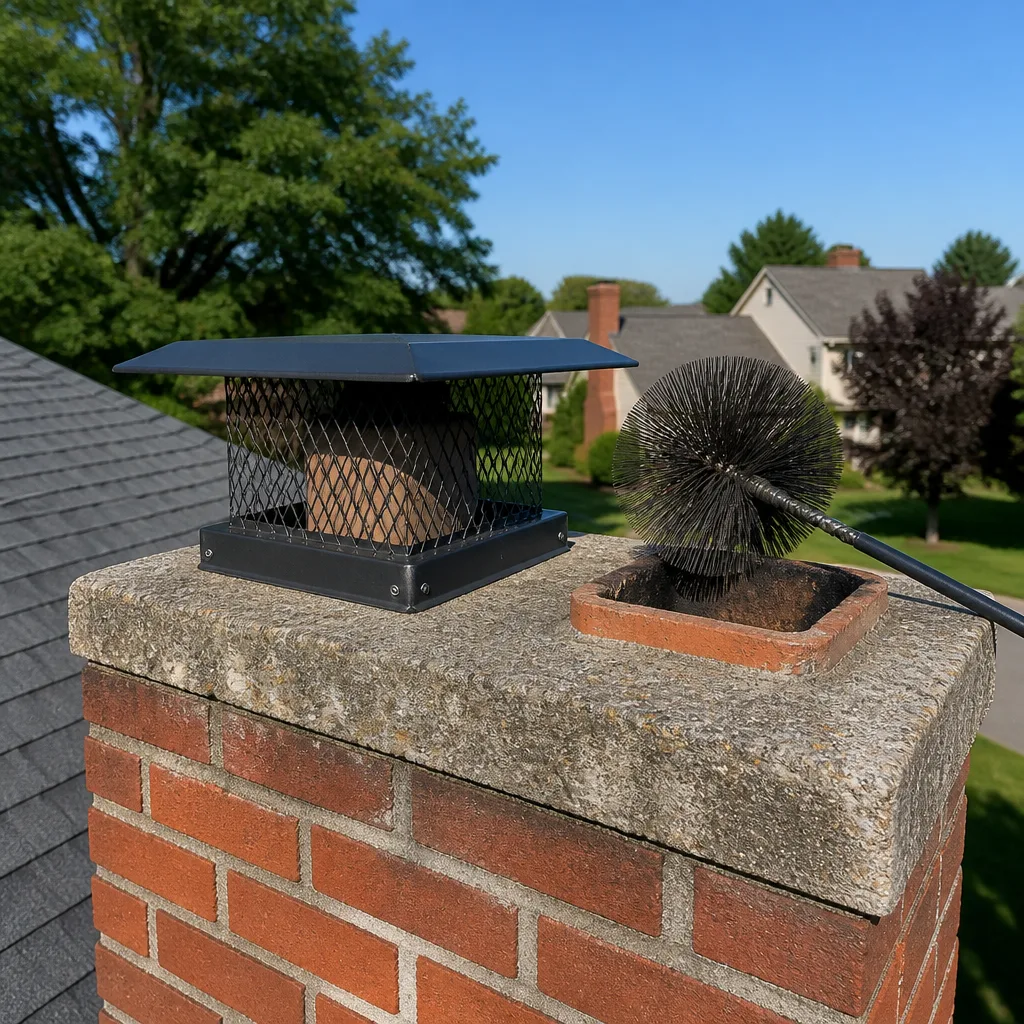 Sweep & inspection
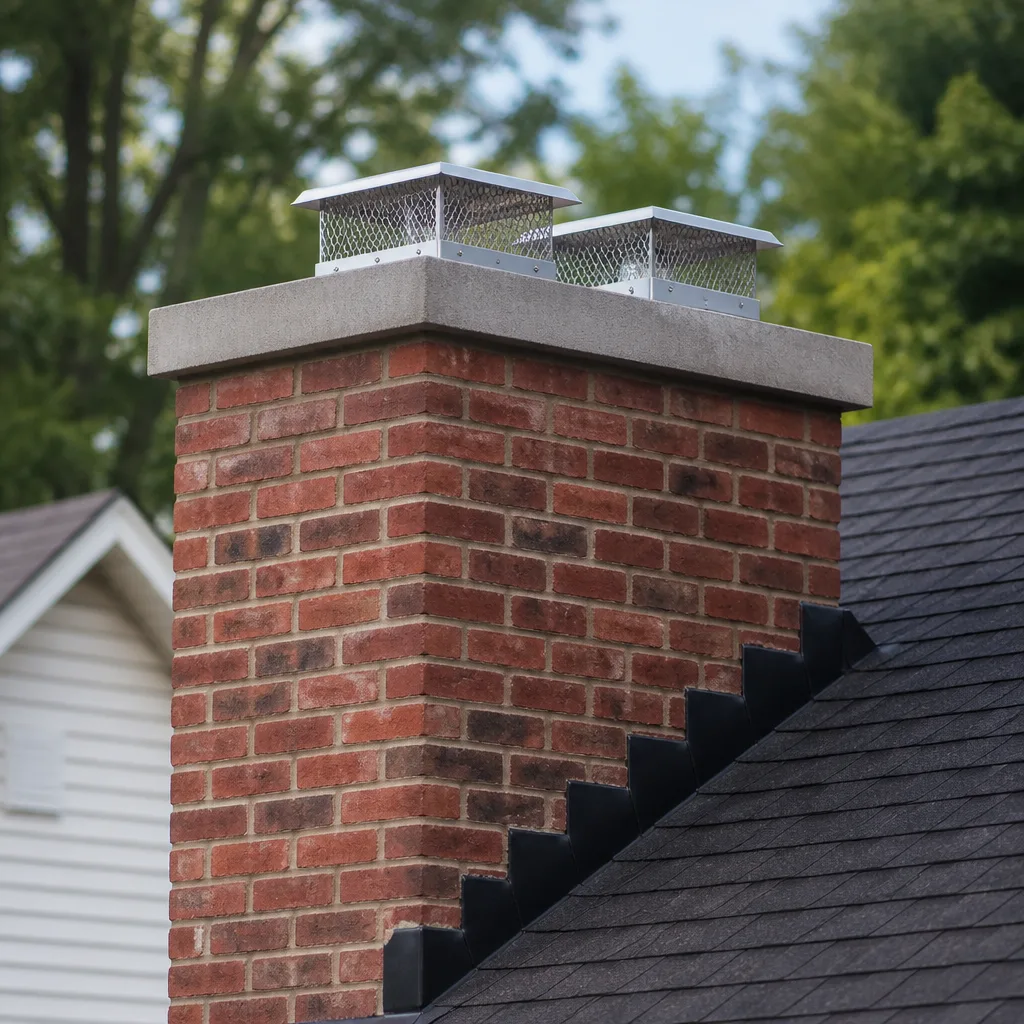 Caps & crowns
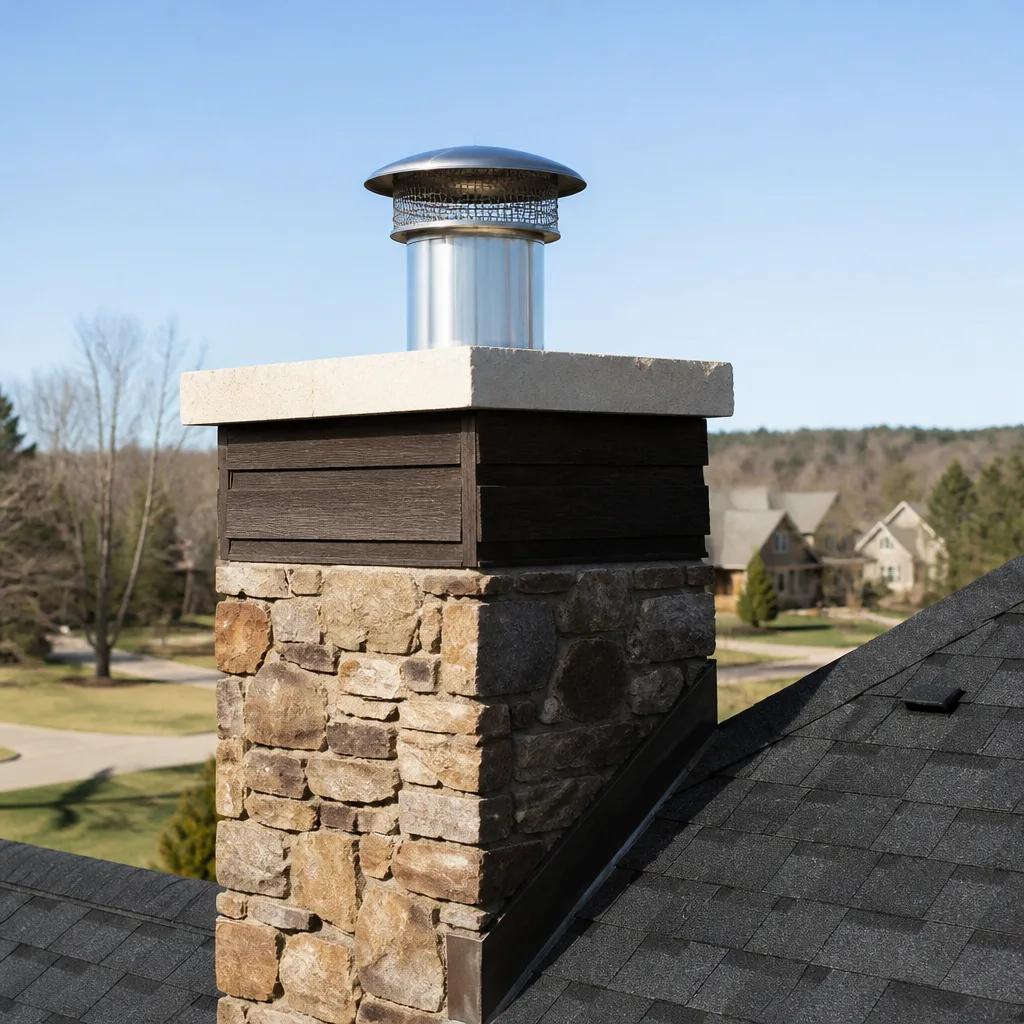 Flue relining
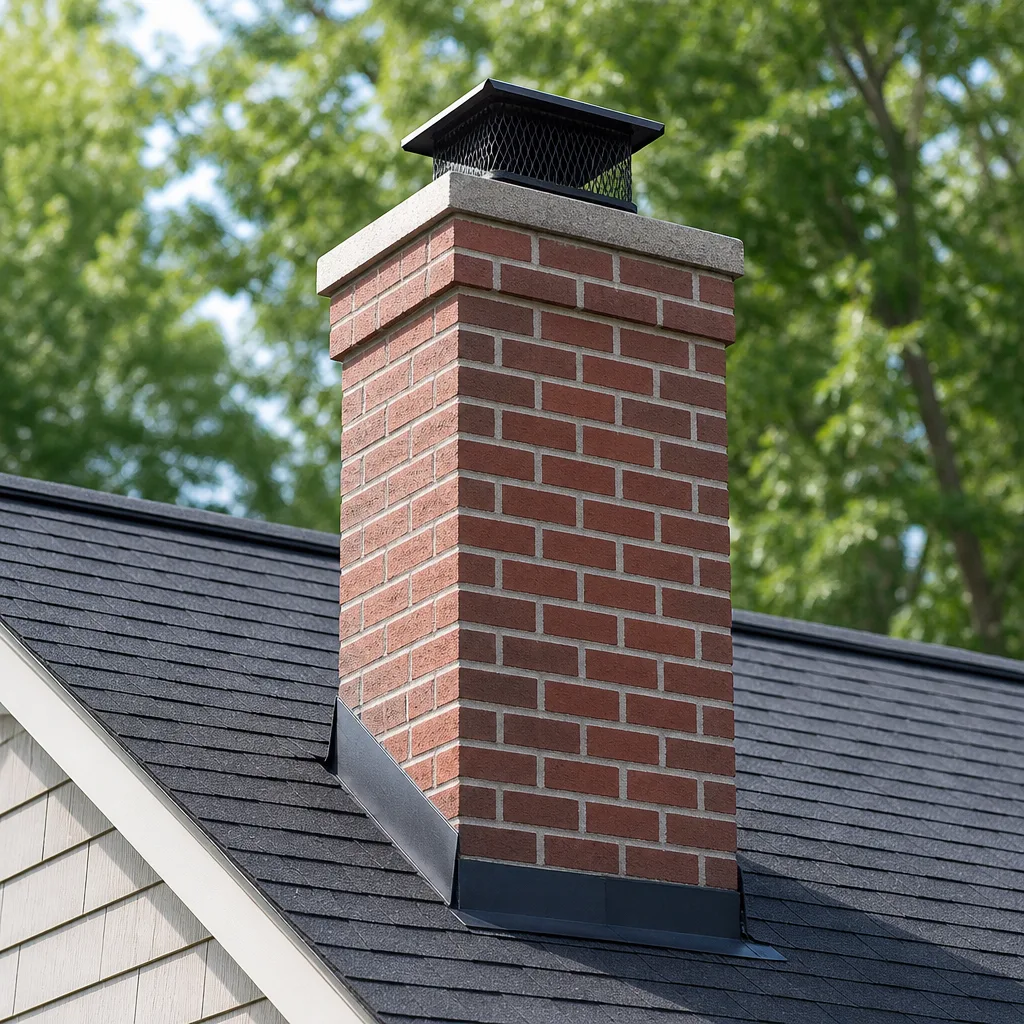 Masonry repair
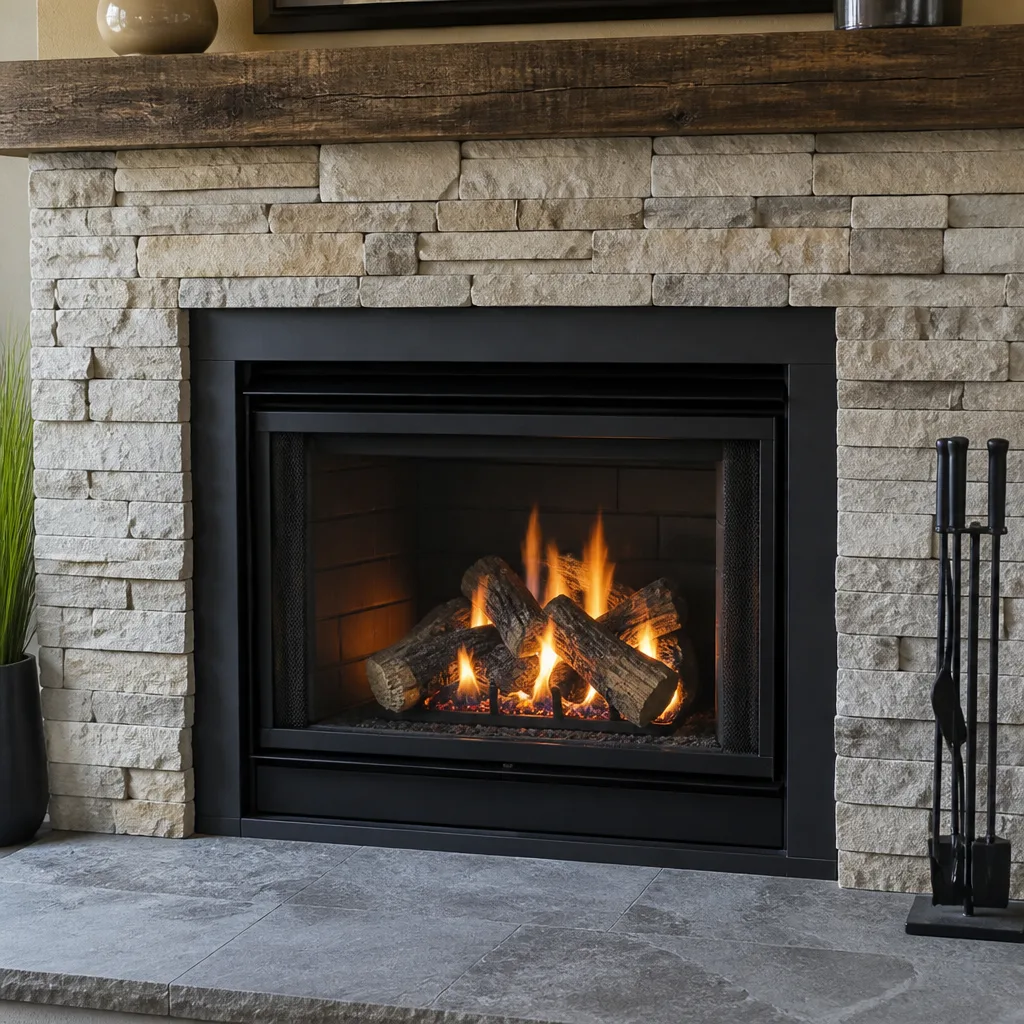 Gas fireplace service
Level 1 sweep and inspection to the NFPA 211 annual standard - flue, crown, cap, and flashing checked and photographed
Chimney sweep logs do not sweep chimneys. They loosen some creosote - which then falls where a brush and vacuum still have to collect it.
Choosing the Right Chimney Cleaning Brand: A Buyer’s Guide for Lake Elsinore
Two chimney sweeps can charge identical prices for a cleaning and produce completely different five-year outcomes. One uses professional-grade creosote modifying agents and stainless liner materials. The other uses hardware store brushes and watered-down sealants. The difference shows up later, in how quickly creosote rebuilds, whether the liner holds, and whether a small crack becomes a structural problem. This guide is written for Lake Elsinore homeowners who want to understand what actually separates a durable chimney cleaning from a superficial one, and how to evaluate the materials and equipment behind the service rather than just the reviews.
Styles & brands we work with
- Sweep & inspection
- Caps & crowns
- Flue relining
- Masonry repair
- Gas fireplace service
Quick Answer
The right chimney cleaning brand in Lake Elsinore isn’t a national franchise name. It’s a contractor who stocks and installs professional-grade materials like stainless steel liner systems, ceramic flue resurfacing products, and properly specified caps and spark arrestors. Ask what products they use, what their inspection camera can actually see, and whether they can complete repairs on the spot. Those answers tell you more about long-term outcomes than any review count.
Table of Contents
- Why Materials Matter More Than the Brand Name
- Brush-Only Cleaning vs. Chemical Creosote Treatment
- How to Evaluate Chimney Liner Repair Materials
- Chimney Caps and Spark Arrestors: What Lake Elsinore’s Fire Zone Requires
- Video Inspection Equipment: What Gets Missed on Low-Resolution Cameras
- What a Contractor’s Truck Stock Reveals About Repair Capability
- Questions to Ask Before You Book
- Common Mistakes to Avoid
- When to Call a Professional
- Frequently Asked Questions
- The Bottom Line
Why Materials Matter More Than the Brand Name
The word “brand” does a lot of work in chimney cleaning, and most of it is misleading. Homeowners search for the “best chimney sweep company in Lake Elsinore CA” expecting to find a recognizable name, a franchise operation, or a company with the biggest ad budget. But chimney cleaning is not a commodity service. What gets applied inside the flue, what gets installed on top of the chimney, and what gets used to repair the liner determines whether you are protected for three years or fifteen.
We think about it this way: the brand that matters is the brand of the materials, not the brand on the truck. A contractor working with professional supply networks like Olympia Chimney and Copperfield has access to trade-grade components that are not on the shelf at a big box store. That access matters because chimney systems in Lake Elsinore deal with a specific set of conditions: dry heat, Santa Ana winds, occasional heavy rain, and a fire-prone landscape where ember protection is a real safety calculation. The materials need to hold up under those conditions.
When a contractor tells you they stock DuraFlex stainless steel liner systems for relining, you are hearing something specific. DuraFlex is a flexible stainless liner that can be pulled through an existing flue to restore a damaged or unlined chimney without tearing down masonry. That is a material choice with structural consequences. A contractor who mentions it is not just selling a cleaning. They are telling you they can fix what the cleaning reveals.
The same logic applies to HeatShield, a ceramic resurfacing product used to repair deteriorating flue interiors. Instead of rebuilding a chimney, a technician can apply HeatShield to restore the flue surface and seal cracks. That is a repair-without-rebuild path that saves homeowners in Lake Elsinore thousands of dollars and weeks of disruption. But only if the contractor has the training and the material on hand.
So when you compare chimney sweeps, ask what product lines they carry and install. If the answer is vague, that is an answer in itself. A specialist who names their materials is a specialist who can be held accountable for them.
Brush-Only Cleaning vs. Chemical Creosote Treatment
A basic chimney sweeping removes loose creosote and soot through mechanical brushing. That is the minimum standard, and it is important. But creosote exists in different forms, and not all of it responds to a brush. Stage one creosote is flaky and can be brushed away. Stage two is tar-like and sticky. Stage three is a hardened, glazed crust that resists mechanical removal entirely. If a sweep only uses a brush and leaves the glazed creosote behind, the chimney looks clean while remaining a genuine fire hazard.
Chemical creosote treatments exist to address what brushes cannot. Products like Anti-Creo-Soot work as creosote modifying agents: they are applied to the flue during burning and they chemically alter the creosote so it dries, becomes brittle, and can be removed by subsequent sweeping. Inductor is another professional-grade category you may hear mentioned, a creosote remover that breaks down glazed deposits. These are not magic potions, and they do not replace sweeping. They are part of a treatment protocol for chimneys with advanced creosote accumulation, particularly from wood-burning stoves or fireplaces that burn pine or other resinous woods common in Southern California.
Here is what to ask a chimney sweep about chemical treatment:
- What stage of creosote did you find? A proper answer includes a description of the condition, not just “dirty” or “needs cleaning.”
- Do you use a creosote modifying agent, and which one? If the answer is a shrug, you have a brush-only operation. That may be fine for a lightly used fireplace, but it is not the right call for a heavily used stove.
- Will the treatment require a follow-up sweep? Chemical modifiers usually need a burn-in period followed by removal. Know the protocol before you agree.
- Can you show me where the glazed creosote is? A video inspection should allow you to see it with your own eyes. If the contractor cannot show you, be skeptical.
In our experience, Lake Elsinore homes with fireplaces that get used every cold evening from November through February often develop stage two creosote faster than homeowners expect. The mild winters mean chimneys do not get the long, hot burns that help burn off early-stage creosote. That makes chemical treatment a more common recommendation here than in colder climates where fires run hotter and longer.
How to Evaluate Chimney Liner Repair Materials
When an inspection reveals a damaged chimney liner, you need to understand your options. A liner is the protective channel inside the chimney that contains heat and combustion gases. If it cracks, deteriorates, or was never installed, the chimney is unsafe to use until it is repaired. The repair conversation comes down to materials, and the material choices are not equal.
The three you will hear about most are:
- Aluminum flex liner: The least expensive option. Aluminum is suitable only for certain gas appliances with lower flue temperatures. It is not rated for wood-burning fireplaces or stoves because it cannot handle the heat and corrosive byproducts of wood combustion. In Lake Elsinore’s climate, where many homes have gas logs or gas water heaters venting through chimneys, aluminum can be a legitimate choice. But if you burn wood, it is not an option.
- 304 stainless steel flex liner: The standard for wood-burning applications. 304 stainless handles high temperatures and resists corrosion from wood combustion byproducts. This is the workhorse liner material, and a contractor who stocks DuraFlex 304 stainless is equipped for most relining jobs.
- 316 stainless steel flex liner: A higher-grade alloy with added molybdenum for superior corrosion resistance. In Southern California, where the air is dry, the main advantage of 316 over 304 is not salt air or marine exposure. It is longevity under sustained high heat and resistance to the acidic condensate that can form in some gas appliance venting. In a coastal climate, 316 would be a clearer upgrade, but here the choice is more about how hard you use the chimney.
The climate in Lake Elsinore is dry, with mild winters and hot summers. That means liners are not fighting corrosion the way they are in humid or coastal regions. The bigger issue is heat cycling and the expansion and contraction that comes from rapid temperature changes, especially if you run a hot fire after a long period of disuse. A properly installed stainless liner is built to flex through those cycles without cracking. An aluminum liner in a wood application will fail, and quickly.
The right question to ask is not “Do you reline chimneys?” but “What liner material do you recommend for my appliance, and why?” If the answer comes back as a single material without an explanation, keep looking. A specialist will factor in your fuel type, appliance, and usage pattern before making a recommendation.
Chimney Caps and Spark Arrestors: What Lake Elsinore’s Fire Zone Requires
Lake Elsinore sits in a fire-interface zone, which means ember protection is not an optional upgrade. A spark arrestor is the mesh screen built into a chimney cap that prevents burning embers from escaping the flue and landing on a roof or nearby vegetation. California building codes in fire-prone areas require spark arrestors on chimneys, and the specifications matter.
Here is what to look at when a contractor recommends a cap:
- Mesh gauge: The opening size in the spark arrestor mesh needs to be small enough to catch embers but large enough to avoid clogging with creosote. The commonly referenced standard is a mesh with openings no larger than half an inch. In Lake Elsinore, where dry brush surrounds many homes, properly sized mesh is a fire-safety requirement, not a preference.
- Cap footprint: The cap should overhang the flue opening enough to keep rain out while allowing proper draft. A cap that is too small will restrict airflow. A cap that is too large can create turbulence. The footprint needs to match the flue dimensions.
- Wind uplift rating: The Santa Ana winds that move through the Lake Elsinore area can be intense. A cap that is not rated for high wind can lift, shift, or fail entirely. Ask about the cap’s wind rating, not just its material.
Gelco chimney caps and Famco venting components are two product lines we work with because they are built for these conditions. A contractor who stocks Gelco caps is usually installing a product designed for code compliance and longevity in Western climates, not a generic cap from a hardware aisle.
When you are evaluating a cap recommendation, ask: “Is the mesh gauge up to California code for my fire zone?” “What is the wind rating on this cap?” “Can you show me the cap you are going to install before you install it?” A contractor who can answer all three is doing more than selling you a part. They are specifying a safety component.
Video Inspection Equipment: What Gets Missed on Low-Resolution Cameras
Chimney inspection has changed in the last decade. The old method involved a flashlight and a mirror, and it missed more than it found. Today, video inspection is standard, but not all video inspection is equal. The resolution of the camera, the quality of the lens, and the ability to record and review footage all affect whether a cracked liner gets caught early or discovered after it has become a structural problem.
A low-resolution camera, the kind that produces a grainy, SD-quality image, can show you the general condition of a flue. It will pick up heavy creosote accumulation and obvious damage. What it will not reliably show is hairline cracking, early-stage mortar deterioration, or the subtle signs of a liner separating from the surrounding masonry. Those findings require an HD camera with proper lighting, and they are exactly the findings that determine whether a chimney needs a repair now or a repair later at much higher cost.
There is a practical reason this matters in Lake Elsinore. Many homes in the area were built in the 1980s and 1990s, and chimneys from that era are aging into the window where liner problems become common. A low-resolution inspection might tell you the chimney is fine when in fact the liner is developing cracks that will allow heat to reach combustible materials. An HD inspection catches those cracks before they become a fire.
Ask the contractor what kind of camera they use. Ask if you can see the footage in real time. Ask if they provide a recorded copy or photo report. A professional who invests in HD inspection equipment is someone who has decided that accurate diagnosis matters, which is the same mindset you want for every other part of the service.
What a Contractor’s Truck Stock Reveals About Repair Capability
There is an easy way to tell the difference between a sweep-only operator and a full-service chimney specialist before they ever step inside your home. Look at the truck. A truck stocked for repair work carries more than brushes and a shop vac. It carries mortar, liner components, cap options, and the tools needed to install them. A sweep-only truck carries cleaning equipment and a clipboard.
Why does this matter? Because a Chimney Sweep Lake Elsinore inspection often reveals issues that go beyond cleaning. Cracked mortar joints. A missing or damaged cap. A liner that needs relining or resurfacing. A sweep-only operator will write up the finding, tell you to call someone else, and leave. A full-service specialist can complete mortar repair, liner work, and cap installation in the same visit, which saves you the time and cost of coordinating a second contractor and gives you a single point of accountability.
Stocking materials like DuraFlex liner, HeatShield ceramic resurfacing products, and Gelco caps is not cheap. It requires capital investment that a part-time sweep cannot justify. That is exactly why it is a signal. A contractor who stocks these products has decided that chimney repair is a core service, not an afterthought. And in Lake Elsinore, where a single chimney may need a sweep, a cap replacement, and a liner repair all in one season, that capability translates directly to convenience.
When you call for an estimate, ask: “If you find damage during the sweep, can you complete the repair the same day?” A contractor who can answer yes, and who can tell you what truck stock they carry to make that possible, is the contractor who will save you the most time over the life of your chimney.
Questions to Ask Before You Book
If you only take a few things from this guide, take these questions. They will help you evaluate any chimney cleaning contractor in Lake Elsinore, and they will reveal more about quality than a dozen five-star reviews.
- What materials and product lines do you use for repairs? Listen for specific brand names like DuraFlex, HeatShield, Gelco, Famco, Olympia Chimney, and Copperfield. A professional contractor should be able to name the materials they install without hesitation.
- Do you use chemical creosote treatments when needed? If the answer is “we just brush it clean,” that is fine for light use, but you want to know they have the option when a flue needs more.
- What kind of video inspection camera do you use? An HD camera is what you want. If they do not use video inspection at all, that is a red flag for accurate damage assessment.
- Can you complete repairs the same day you find them? This tells you whether you are hiring a specialist or a sweep-only operator who will refer you out.
- What spark arrestor mesh gauge do you install, and is it code-compliant for my fire zone? In Lake Elsinore’s fire-interface zone, this is not a bonus question. It is the question.
- Do you clean dryer vents too? Dryer vent cleaning is a parallel fire-prevention service, and the NFPA identifies dryer vents as a leading cause of home fires. A contractor who offers dryer vent cleaning alongside chimney work lets you address two major fire risks in one call.
Common Mistakes to Avoid
- Choosing the lowest bid without asking what it includes. A cheap sweep that uses a brush and nothing else may leave glazed creosote behind. The savings evaporate when you need a second cleaning in six months.
- Assuming a new home means a safe chimney. Even recently built Lake Elsinore homes can have installation defects or premature liner wear. Age does not guarantee condition.
- Ignoring the cap because “it’s just a lid.” The cap and spark arrestor are fire-safety components. In Lake Elsinore’s fire zone, a missing or damaged cap is a genuine hazard.
- Delaying a liner repair because the chimney “still works.” A cracked liner does not stop working until it fails, and failure is often a chimney fire. Repair before rebuild is cheaper and safer.
- Hiring a sweep who cannot show you the inspection footage. If you cannot see the condition of your flue, you are making decisions on faith. A professional shows you evidence.
- Treating chimney cleaning and dryer vent cleaning as separate projects. Both are fire-prevention services, and a contractor who handles both saves you scheduling hassle and gives you a full picture of your home’s venting safety.
When to Call a Professional
Call a professional when you see visible creosote buildup, thick black deposits on the damper, or a fire that produces more smoke than usual. Call when the chimney has not been inspected within the last year, or when you have just bought a home and do not know the chimney’s condition. Call when you notice a damp smell from the fireplace after rain, which can indicate a cap problem. Call when you burn wood regularly and have never had a chemical creosote treatment. Chimney Sweep Lake Elsinore offers free estimates in Lake Elsinore. Call (833) 589-9415. We answer 24/7. Fast dispatch from 7am to 7pm, Sunday through Friday.
Frequently Asked Questions
The best chimney sweep company in Lake Elsinore CA is one that combines thorough cleaning with real repair capability, meaning it stocks professional-grade liner materials, resurfacing products, and code-compliant caps rather than just brushes. Look for a contractor who can show you HD video inspection footage, apply chemical creosote treatments when needed, and complete repairs the same day they are found. A specialist who works with trade-industry brands like DuraFlex, HeatShield, and Gelco is equipped to handle more than a surface-level cleaning. Call (833) 589-9415 to book your free estimate.
Chimney cleaning costs in Lake Elsinore vary based on the condition of the flue, the level of creosote buildup, and whether chemical treatment is required, so the price is set per job by a written estimate after inspection. A standard sweep addresses loose creosote, while stage two or stage three buildup requires additional treatment that affects the total. The estimate is free, and the written estimate sets the final price. Call (833) 589-9415 for an exact quote, no obligation.
Not every damaged liner requires replacement. HeatShield ceramic resurfacing can restore a deteriorating flue interior without a full liner replacement, and it is a middle path between doing nothing and tearing out the chimney. A stainless steel flex liner like DuraFlex may be the right call when the existing liner is too far gone or was never installed, but the determination requires an HD video inspection to see the actual condition. A contractor who can show you the damage and explain why resurfacing or relining is appropriate is the contractor to trust.
A chimney should be swept at least once per year if you burn wood regularly, and possibly more often if you burn pine or other resinous woods that produce creosote quickly. In Lake Elsinore’s mild winters, fires often run shorter and cooler, which can accelerate creosote accumulation compared to hotter, longer burns. The best way to know your schedule is to have the chimney swept once and then follow the technician’s recommendation based on what the video inspection shows. Call (833) 589-9415 to schedule your annual sweep.
If you skip chimney cleaning, creosote continues to accumulate inside the flue, reducing draft and increasing the risk of a chimney fire. Glazed creosote, once formed, cannot be removed by brushing alone and requires chemical treatment followed by mechanical removal. In Lake Elsinore’s fire-prone environment, an uncapped or unmaintained chimney also poses an ember risk during fire season. The cost of a sweep is always less than the cost of a fire.
You can brush loose soot from a fireplace, but you cannot properly inspect a flue for cracks and deterioration without video inspection equipment, and you cannot safely remove glazed creosote without the right chemical agents and training. DIY cleaning also misses liner damage that develops slowly and fails suddenly. A professional sweep in Lake Elsinore gives you a documented inspection and a clear recommendation, which is the point of the service.
The Bottom Line
The brand that matters in chimney cleaning is not the name on the truck. It is the name on the materials: the stainless liner, the ceramic resurfacing compound, the code-compliant cap, the HD inspection camera. A contractor who stocks professional-grade products and can complete repairs in one visit is doing something fundamentally different from a sweep-only operator. In Lake Elsinore, where fire-zone requirements and dry-brush conditions raise the stakes, that difference is worth paying for. Ask the questions in this guide. Look at the truck. See the footage. Then book the sweep.
Written by the team at Chimney Sweep Lake Elsinore, serving Lake Elsinore since 2013.
See the difference
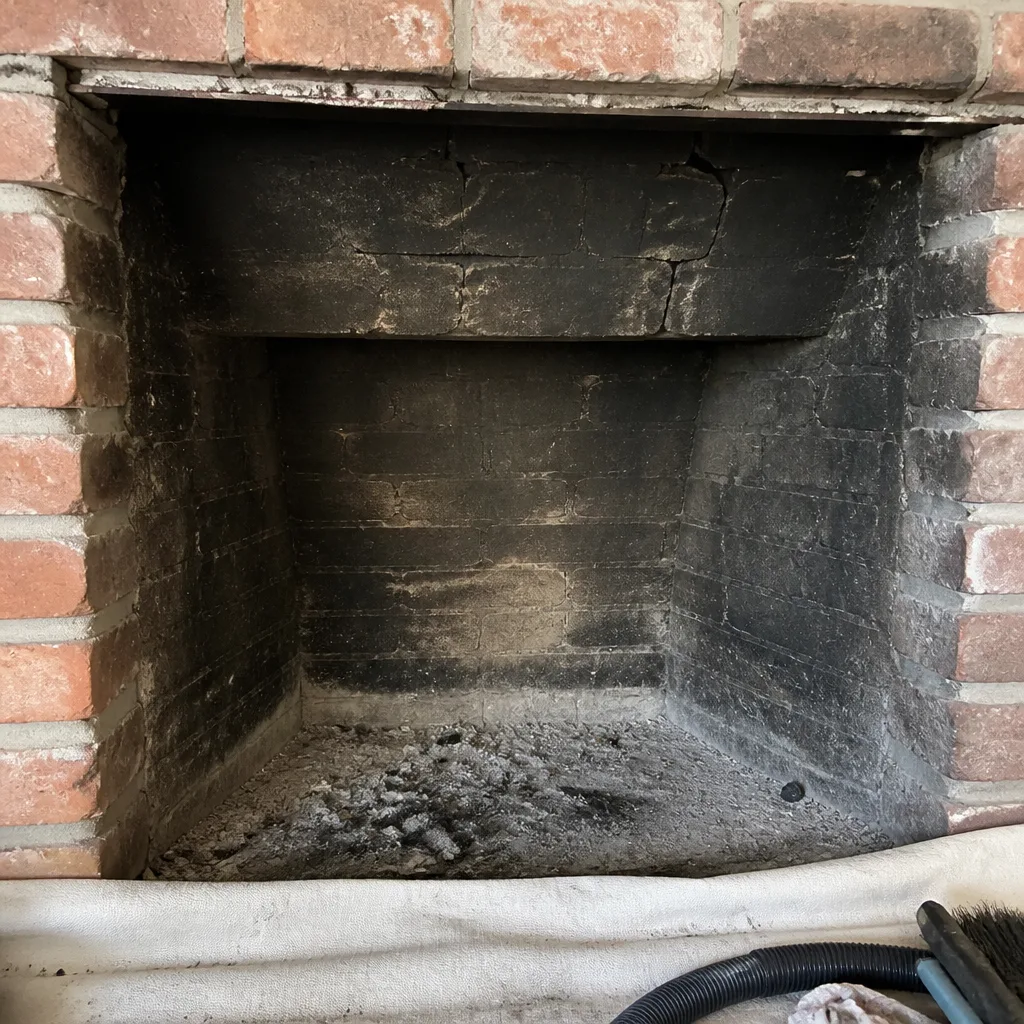 Before
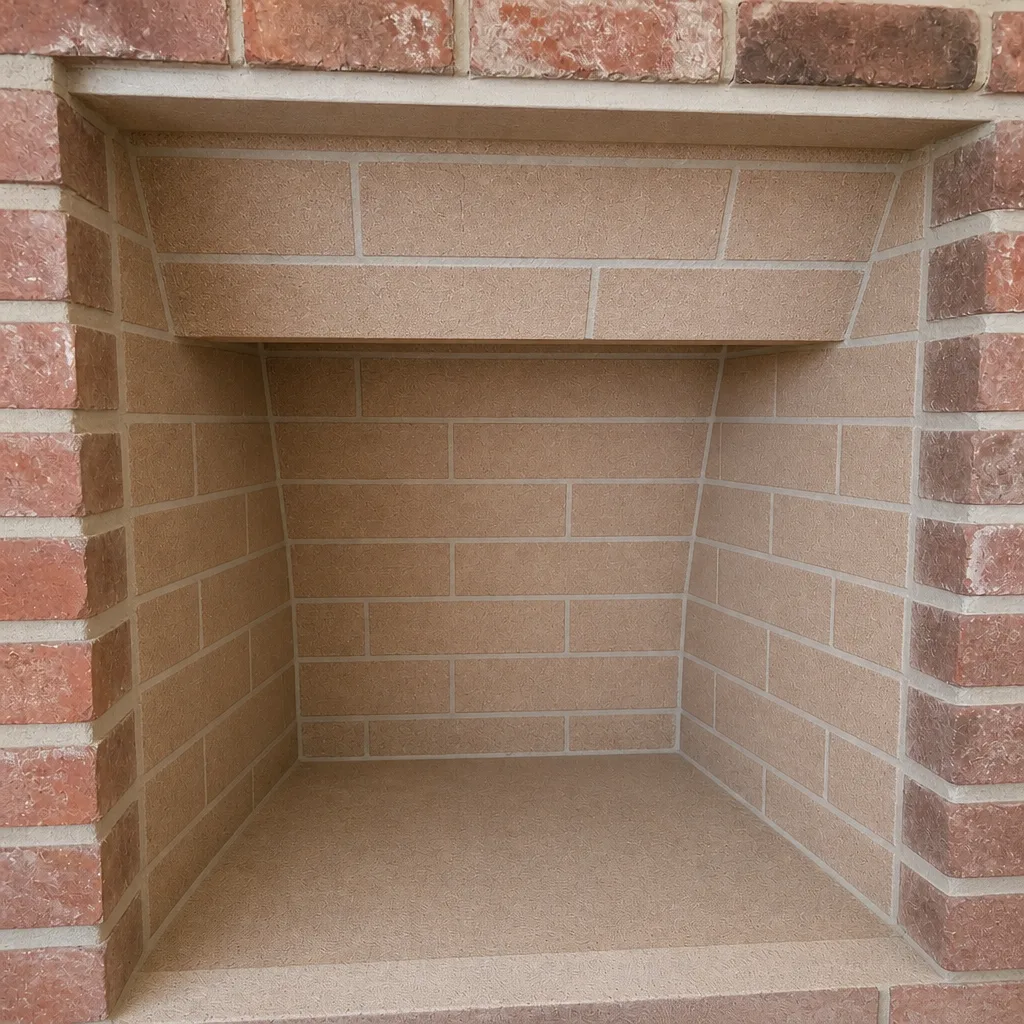 After
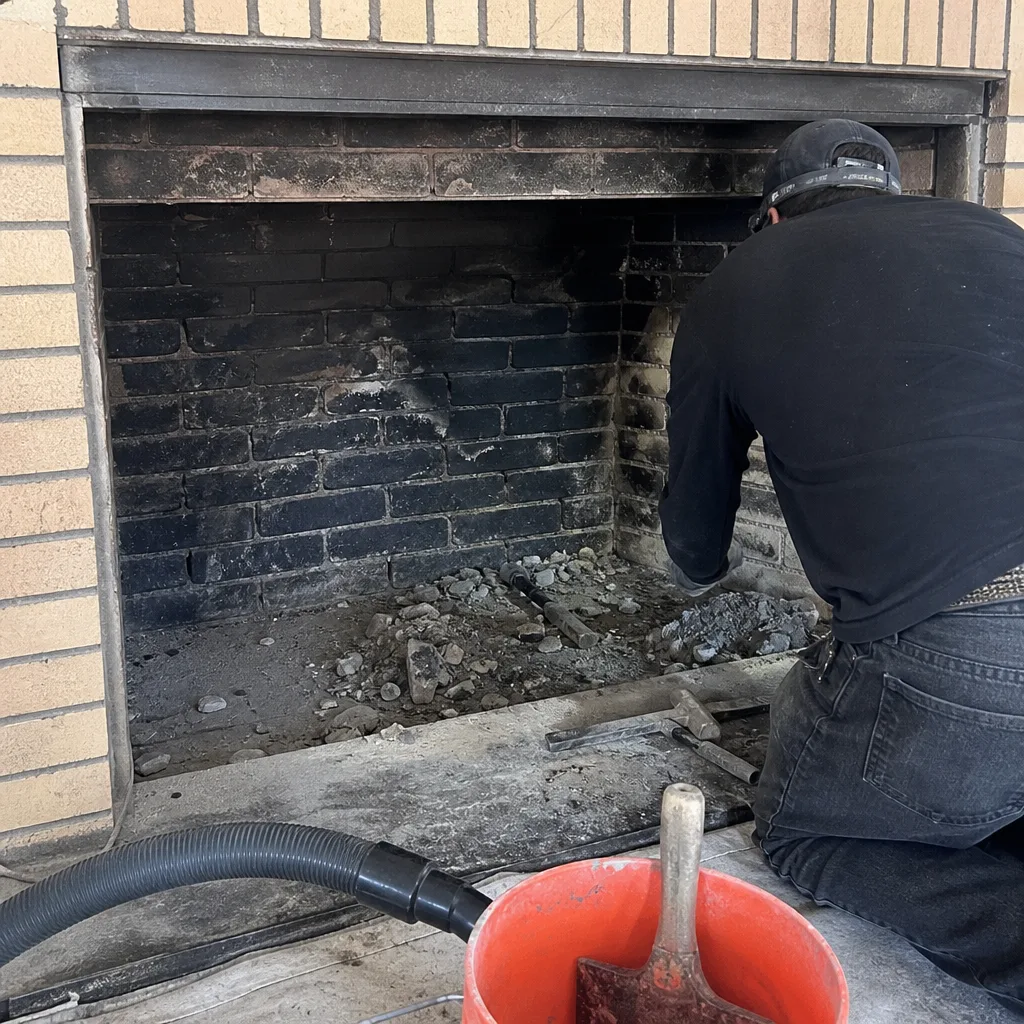 Before
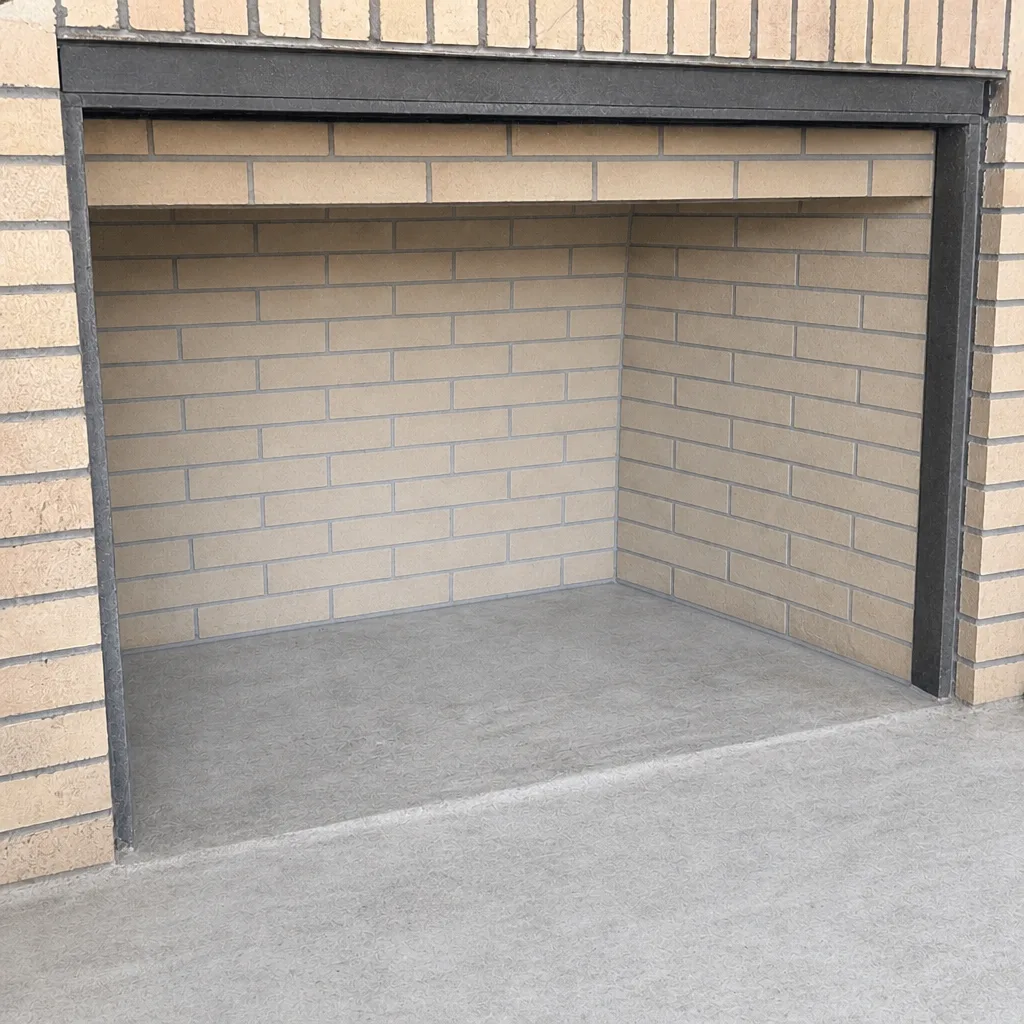 After
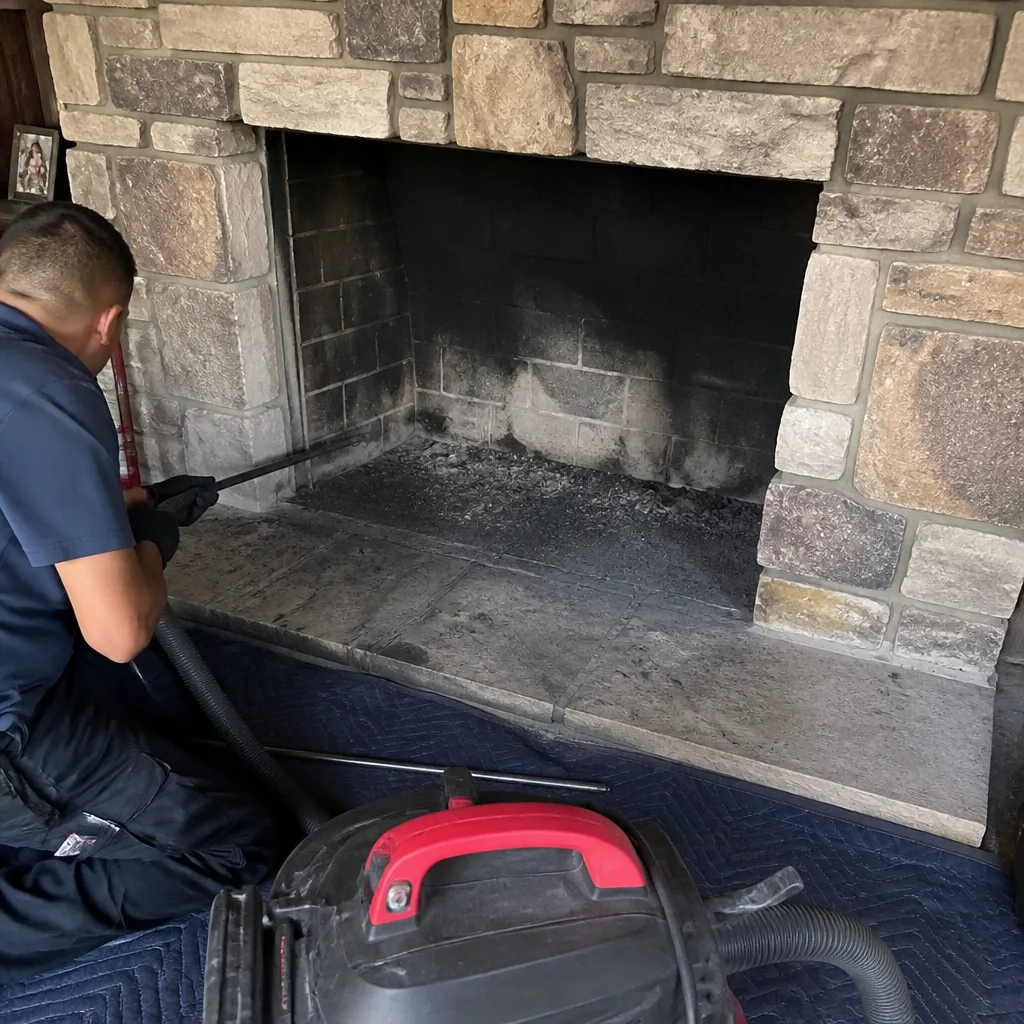 Before
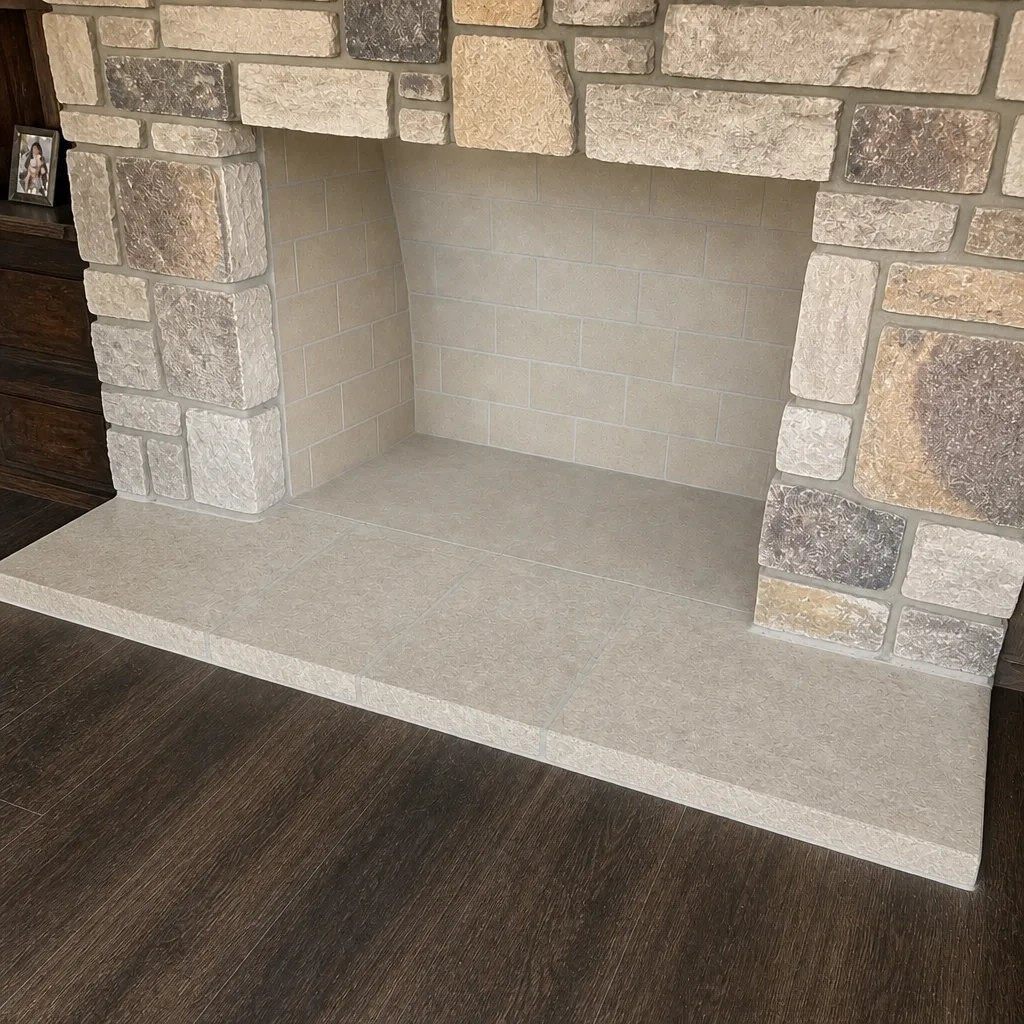 After