
Last updated November 4, 2026
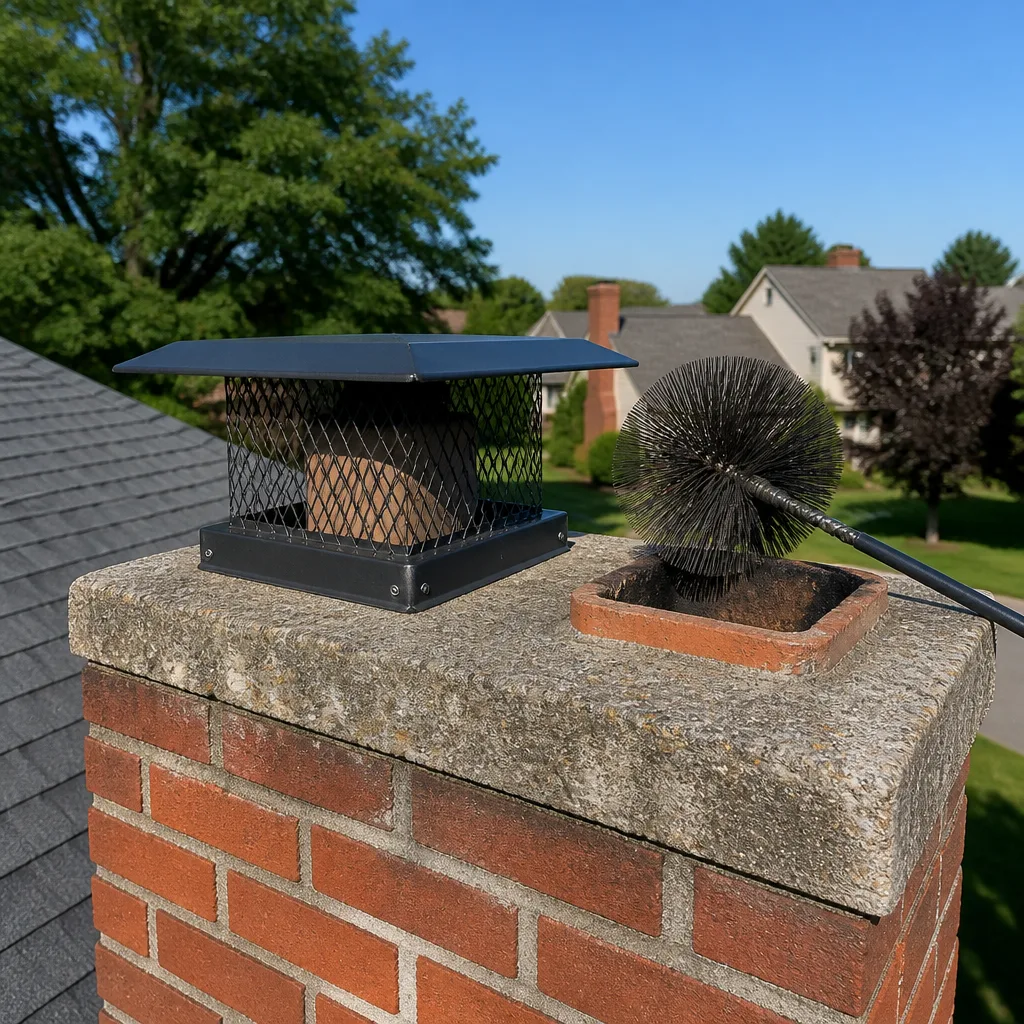 Sweep & inspection
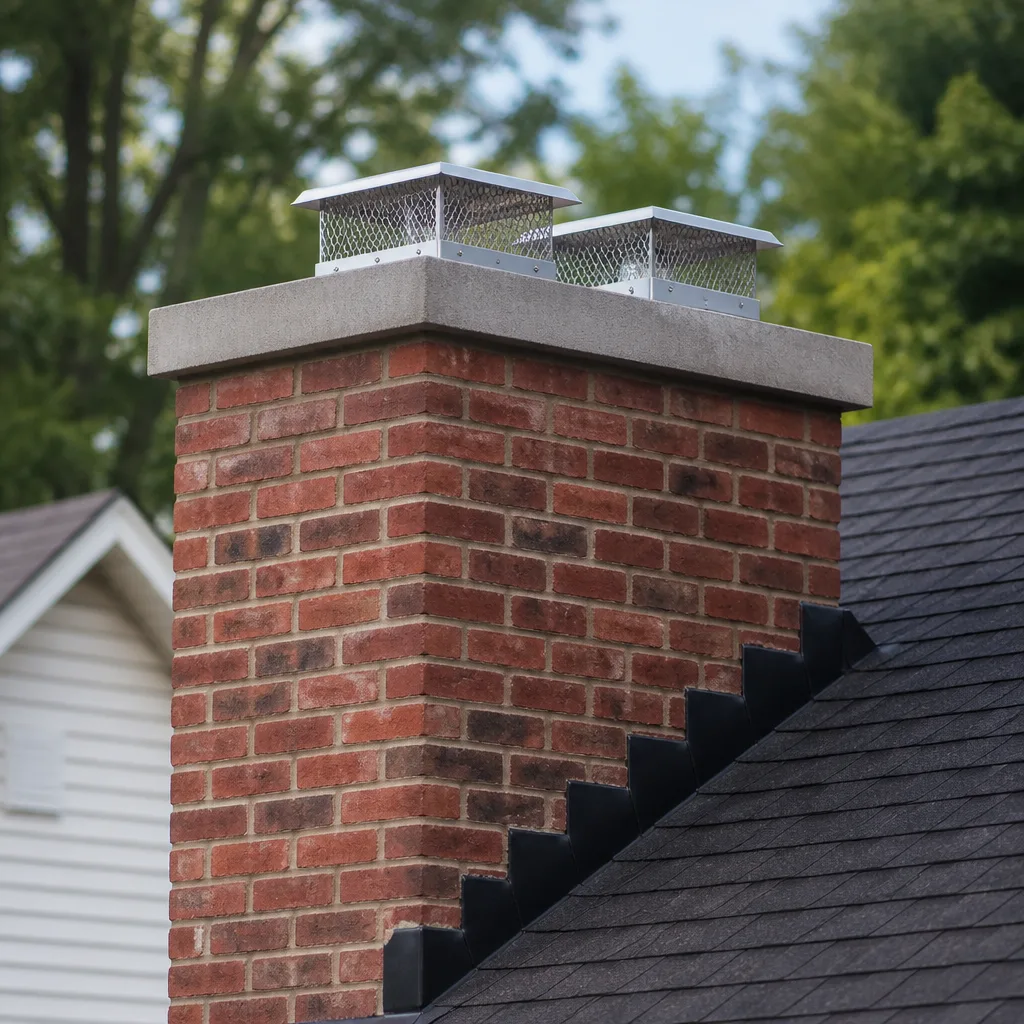 Caps & crowns
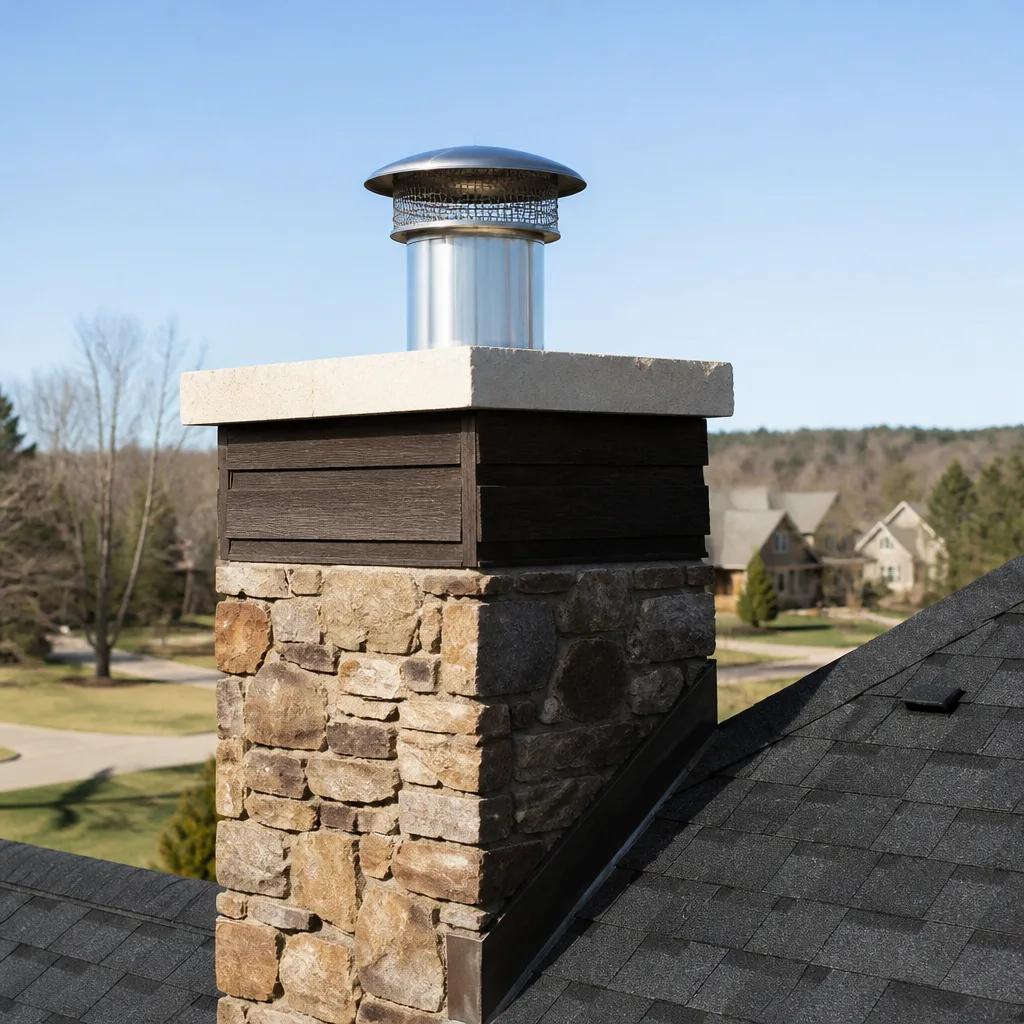 Flue relining
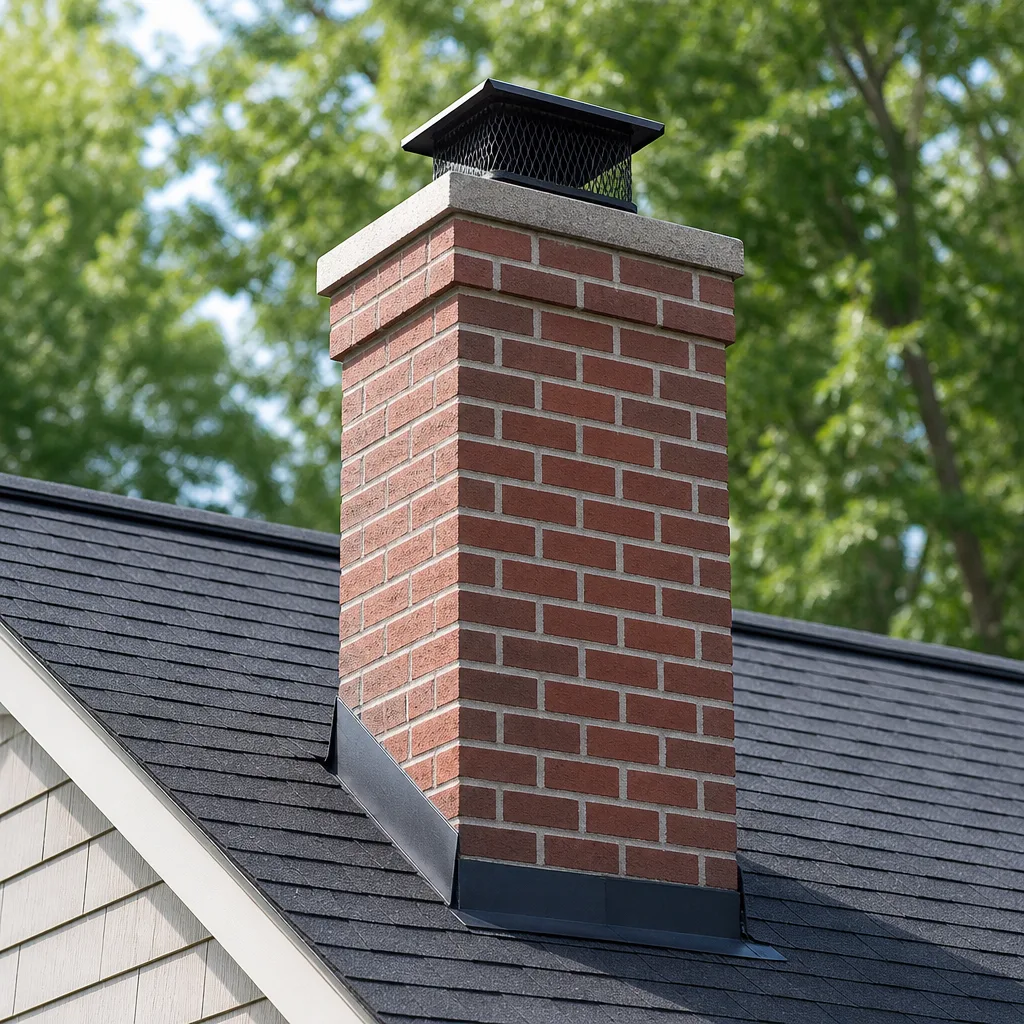 Masonry repair
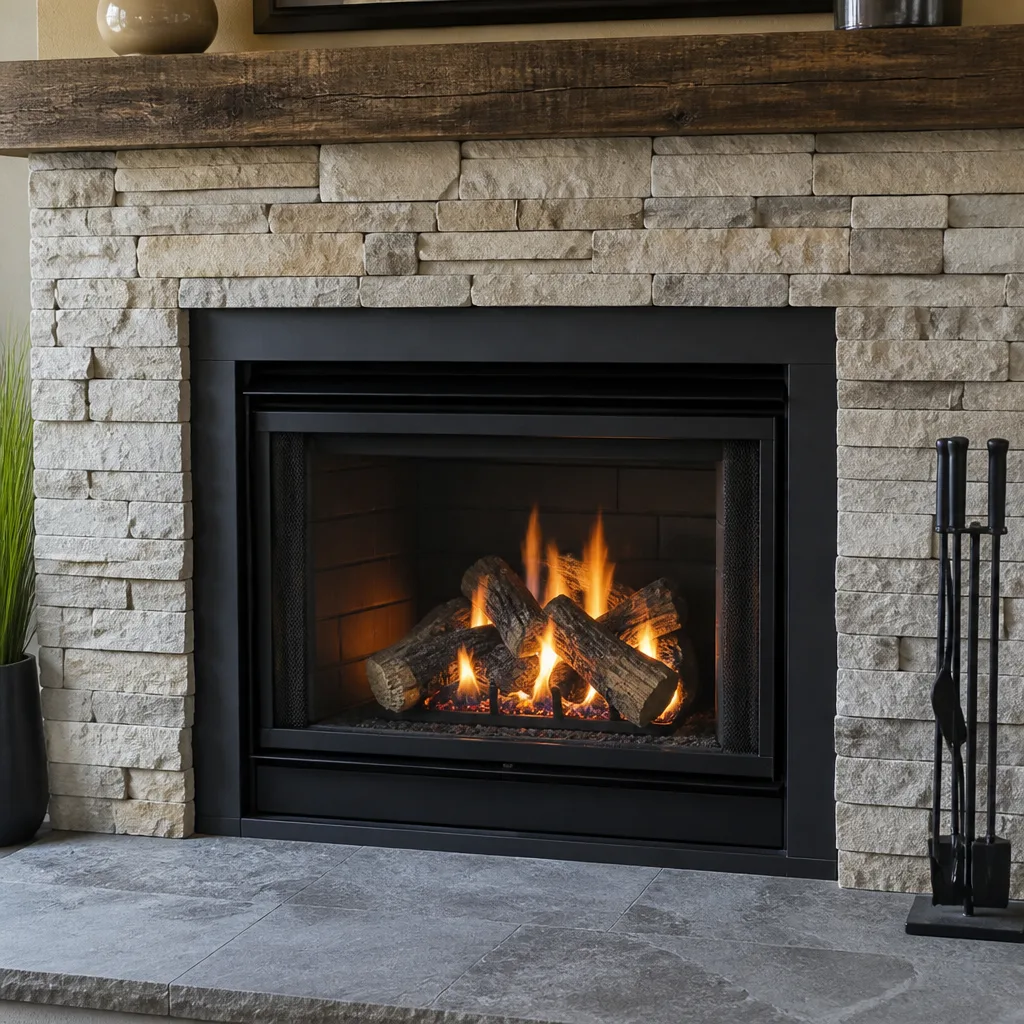 Gas fireplace service
Level 1 sweep and inspection to the NFPA 211 annual standard - flue, crown, cap, and flashing checked and photographed
Chimney sweep logs do not sweep chimneys. They loosen some creosote - which then falls where a brush and vacuum still have to collect it.
Chimney Sweep Maintenance Schedule: What to Do and When
Most homeowners in Lake Elsinore have been told the same thing: sweep the chimney once a year. It sounds simple, responsible, even cautious. But that advice collapses the moment you realize a household burning two cords of oak every winter is putting roughly six times more particulate load through the flue than a neighbor who lights three fires in December and calls it a season. Treating both systems identically means one gets over-serviced, and the other quietly accumulates creosote until it becomes a fire waiting for a spark. This guide replaces the one-size calendar with a usage-based framework, so you know what to check, when to clean, and which components of your system age on their own timeline regardless of how often you burn. What follows is the schedule we would give a friend in Lake Elsinore who asked us to be straight with them.
Styles & brands we work with
- Sweep & inspection
- Caps & crowns
- Flue relining
- Masonry repair
- Gas fireplace service
Quick Answer
Most wood-burning fireplaces in Lake Elsinore need a professional chimney sweep every 30 to 50 fires, but the real answer depends on usage, fuel type, and system age. Light users can stretch to 24 months between inspections, heavy users should schedule cleaning twice a season, and gas systems need annual vent checks even though they produce no creosote. The simple rule: inspect at least once a year, clean when deposit thickness reaches 1/8 inch, and treat any post-wildfire smoke event as a trigger for an immediate inspection.
Table of Contents
- The Usage-Tier Framework: Three Schedules, Not One
- Gas Fireplaces and Inserts: The Overlooked Venting Problem
- Post-Wildfire Smoke Checks: What Lake Elsinore Homeowners Need to Know
- Seasonal Timing in the Inland Empire: Why October Matters More Than April
- Beyond the Flue: Component Degradation Timelines
- What You’re Actually Removing: A Quick Guide to Chimney Deposits
- Common Mistakes to Avoid
- When to Call a Professional
- Frequently Asked Questions
- The Bottom Line
The Usage-Tier Framework: Three Schedules, Not One
NFPA 211, the standard most chimney professionals work from, requires an annual inspection. It does not require an annual cleaning. That distinction is the foundation of any honest maintenance schedule, because inspection tells you what your system needs, while cleaning is a response to measured deposit accumulation. In our experience working on chimneys across Lake Elsinore, the right cadence falls into three practical tiers.
Low Usage: Under 10 Fires Per Season
This is the household that lights the fireplace for ambiance on a handful of chilly evenings between November and February. If this describes you, an annual inspection is still non-negotiable, but an actual sweep may only be necessary every 18 to 24 months. What you need to watch for is not creosote volume but structural issues: a cracked flue tile, a rusted damper, or a chimney cap that has worked loose. Systems that sit idle still degrade, and in Lake Elsinore’s dry, hot summers, masonry expands and contracts enough that hairline cracks can form without a single fire being lit.
Moderate Usage: 10 to 40 Fires Per Season
This is the most common tier we encounter. You burn regularly through the colder months, maybe two or three fires a week from late October through March. For this household, an annual inspection and a cleaning every season is the right baseline. The cleaning should happen before the burning season begins, not after it ends. We’ll explain the timing logic below, but the short version is that a clean flue at the start of winter means you begin the season with zero accumulated risk, rather than letting deposits sit through a hot Inland Empire summer where they can harden and become more difficult to remove.
Heavy Usage: 40+ Fires Per Season
If your fireplace or wood-burning stove is a primary heat source, or if you burn softwoods like pine that produce more resinous deposits, you need a different schedule entirely. Heavy users in Lake Elsinore should plan for a cleaning at the start of the season and a second cleaning midway through, typically in January. Burning more than forty fires concentrates creosote quickly, especially in the upper third of the flue where gases cool and condense. A system this active also benefits from a mid-season visual check of the firebox and damper, which you can do yourself with a flashlight and a few minutes of attention.
Gas Fireplaces and Inserts: The Overlooked Venting Problem
Gas systems get skipped. We see it constantly in Lake Elsinore homes: homeowners assume that because gas burns clean and produces no visible smoke, the venting system needs no attention. That assumption is wrong in a specific, technical way that matters for your safety. Gas fireplaces produce water vapor as a combustion byproduct, and that vapor is slightly acidic. Over time, it condenses inside the vent and attacks metal components. What you end up with is not creosote, but corrosion, deteriorated vent connectors, and in some cases, gaps that allow carbon monoxide to enter living spaces rather than venting outside.
The correct schedule for a gas fireplace or insert is an annual venting system inspection, even if a cleaning is not needed. The inspection checks the vent termination, the condition of the liner or vent pipe, the integrity of gaskets and seals, and the operation of the unit’s safety systems. If your gas appliance shares a chimney with a wood-burning fireplace that has been converted, the inspection also confirms that the original clay tile liner is compatible with the gas appliance’s venting requirements. Some older Lake Elsinore homes have wood-burning chimneys that were converted to gas without a proper liner, and that configuration can trap moisture and degrade masonry from the inside.
Post-Wildfire Smoke Checks: What Lake Elsinore Homeowners Need to Know
Lake Elsinore sits in a region where wildfire smoke is a recurring reality, even for homeowners who live nowhere near an active fire. When smoke from a regional fire event saturates the air, it carries fine particulate matter that can enter chimney systems passively, settling on interior flue surfaces even if the fireplace was never used. The problem compounds if you do use your fireplace during a smoke event, because the smoke you draw into the system carries particulates that mix with whatever is already coating the flue.
Here is the sequence we recommend after any significant wildfire smoke event in the region:
- Wait until air quality improves and the immediate event has passed.
- Visually inspect the exterior of your chimney cap for visible soot or residue buildup, especially if the cap has mesh screening.
- Shine a flashlight up the flue from the firebox (with the damper open) and look for any change in the color or texture of the flue walls.
- If you see a visible film that was not there before, or if the fireplace smells smoky even when cold, schedule a professional inspection before your next fire.
- Do not burn during an active smoke advisory. Your chimney drafting depends on a clean air column, and outside smoke can disrupt proper draft and pull particulates deeper into the system.
This is not alarmism. It is a recognition that wildfire smoke contains compounds that, when deposited inside a chimney, can accelerate creosote formation once regular burning resumes. A quick check after a smoke event is cheap insurance compared to discovering a hazardous condition midway through winter.
Seasonal Timing in the Inland Empire: Why October Matters More Than April
In colder climates, the conventional wisdom is to clean the chimney in spring, after burning season ends, so the system sits clean through the summer. That logic does not transfer to Lake Elsinore’s climate, where the summer is the harshest season for a chimney system even though no fires are being lit. Our summers are hot and dry, and sustained heat bakes whatever deposits are inside the flue. Creosote that is sticky and easily removable in spring becomes hard, glazed, and far more stubborn after months of summer heat. What is more, the thermal expansion of masonry during summer heat cycles can open hairline cracks, and those cracks can then allow heat transfer to surrounding structure when burning season begins.
The better approach for Inland Empire homes is to schedule the primary cleaning in late September or early October, before the first sustained cold snap. This does two things. First, it removes any deposits that have had all summer to cure, so you begin the season with a truly clean flue. Second, it gives the technician a chance to inspect the system after the summer’s thermal stress has done its work, so any new cracks, loose mortar joints, or cap damage can be addressed before the system goes back into service. A spring inspection is still worthwhile if you are a heavy user and want to know what your system accumulated over winter, but the fall cleaning is the one that matters for safety.
Beyond the Flue: Component Degradation Timelines
The flue liner is the component most people think about, but a chimney is a system, and each part of that system ages on its own schedule. Tracking these components separately is what separates a surface-level maintenance routine from one that actually prevents failures. Here is what we look at, and roughly when:
- Damper: Dampers corrode, especially in Lake Elsinore’s dry climate where the metal expands and contracts with temperature swings. A damper that no longer seals properly lets conditioned air escape and can allow downdrafts. Check it annually; expect replacement or repair every 10 to 15 years depending on material quality.
- Chimney cap: The cap is your first line of defense against rain, debris, and animals. A standard galvanized steel cap in an Inland Empire climate has a useful life of roughly 10 years before corrosion compromises it. Stainless steel caps last significantly longer. When a cap fails and allows water in, the interior masonry absorbs it, and the damage accelerates with each subsequent heating cycle.
- Crown: The concrete slab that tops the chimney structure is exposed to direct sun and extreme summer heat. Crowns crack over time, and a cracked crown lets water penetrate the masonry below. A crown with surface cracks can often be resealed; a crown with deep structural cracks may need replacement. Check it whenever you inspect the exterior of the chimney.
- Firebox joints: The mortar joints inside the firebox face direct flame and thermal cycling. High-temperature mortar is designed for this, but joints can crack or erode over years of use. Loose or missing mortar in the firebox is a safety issue because it exposes surrounding material to heat. Inspect firebox joints at least once per season if you burn regularly.
- Flue liner: Clay tile liners can crack from thermal stress or impact. When a liner is compromised, the path for smoke and heat is no longer sealed, and the risk of fire spreading to surrounding structure increases. If you have an older home in Lake Elsinore with the original clay tile liner, we recommend a camera inspection every few years even if you follow a regular sweeping schedule. Liner damage is often invisible from the firebox.
When a liner is damaged, the traditional fix used to be a full chimney rebuild, which is a significant project. That is no longer the only option. We work with materials like HeatShield ceramic resurfacing, which restores the flue interior without tearing down the structure, and DuraFlex flexible liner systems for full relining when the existing liner is beyond repair. The point of tracking component timelines is that you can catch problems at the resurfacing or relining stage, before they become rebuilds.
What You’re Actually Removing: A Quick Guide to Chimney Deposits
Not everything that coats your flue is the same substance, and knowing the difference helps you understand why some cleanings are routine and some are urgent. Creosote forms in three stages. Stage one is a flaky, soot-like deposit that brushes off easily. Stage two is a harder, tar-like glaze that requires more aggressive mechanical removal. Stage three is a hardened, glossy coating that has baked onto the flue and is both a serious fire hazard and a signal that the chimney has been operating at the wrong temperature range. When we see stage three creosote, we talk to the homeowner about how they burn: burning unseasoned wood, restricting airflow with a closed damper, or running fires too cool all contribute to heavy creosote accumulation.
What is harder to identify without a professional eye is the distinction between creosote buildup and a damaged liner. A flue that looks dark and crusty might simply need sweeping, or it might have cracked tiles that are trapping deposits and creating hot spots. This is why our approach to maintenance always begins with inspection rather than automatic cleaning. A sweep that treats every chimney as if it just needs brushing can miss the structural problem hiding underneath the deposits.
Common Mistakes to Avoid
- Using a one-size-fits-all annual cleaning schedule. A light user who burns six fires a season and gets swept every year is spending money on a service they don’t yet need, while a heavy user on the same schedule is accumulating dangerous creosote between cleanings. Match the schedule to the usage tier.
- Skipping gas system inspections. Gas fireplaces don’t produce creosote, but they do corrode venting components over time. Skipping the vent check because there is no soot means missing carbon monoxide risks that have nothing to do with creosote.
- Cleaning in spring and skipping the fall inspection. In Lake Elsinore’s climate, the system endures more stress during the summer than during the winter. Deposits harden, masonry expands, and any pre-existing cracks get worse. The pre-season inspection is the safety-critical one.
- Ignoring the chimney cap. A missing or damaged cap is one of the most common causes of interior chimney damage, because it lets water and debris into a system that was designed to stay dry. Water entering through a failed cap can silently deteriorate mortar and create the conditions for liner damage.
- Burning unseasoned wood to save money. Green wood produces more smoke, more creosote, and less heat than properly seasoned wood. The savings evaporate when you need more frequent cleanings and face a higher fire risk. In the dry Inland Empire climate, wood seasons quickly if it is stacked properly; six months is usually sufficient for most species.
- Closing the damper too soon after a fire. The damper should stay open until the fire is completely out and the embers have stopped glowing. Closing it early traps smoke and moisture in the flue, which accelerates creosote formation and can pull carbon monoxide back into the house.
- Treating a sweep as a complete system check. A sweep removes deposits from the flue. It does not, by itself, tell you whether the liner is cracked, the crown is failing, or the cap is corroded. Those components need their own inspection, and they have their own timelines.
When to Call a Professional
Some situations call for a professional eye immediately. If you see smoke entering the room when the fireplace is in use, that is a drafting problem or a blockage, and it should not be ignored. A strong, persistent smoky odor when the fireplace is cold, especially in summer, suggests deposits or moisture inside the system. If you have reason to believe your chimney was exposed to prolonged wildfire smoke and you notice a visible film or unusual odor, do not burn until it has been inspected. If your carbon monoxide detector has activated and the fireplace has been in recent use, ventilate the house and call a professional before using the appliance again. Chimney Sweep Lake Elsinore offers free estimates in Lake Elsinore. Call (833) 589-9415 and we’ll take a look. We answer 24/7. Fast dispatch from 7am to 7pm, Sunday through Friday.
Frequently Asked Questions
If you burn fewer than ten fires per season, an annual inspection is still needed, but a full sweep is typically only necessary every 18 to 24 months. The inspection matters because structural issues like cracked liners or corroded caps develop even in idle systems, especially through Lake Elsinore summers. For an exact recommendation based on your fireplace and usage, call (833) 589-9415. We answer 24/7. Fast dispatch from 7am to 7pm, Sunday through Friday.
Yes, gas fireplace venting systems need annual inspection even though they produce no creosote. The combustion byproduct in a gas system is acidic water vapor, which corrodes metal venting components over time and can create carbon monoxide risks. The inspection checks the vent termination, liner condition, and seal integrity, rather than focusing on deposit removal.
If you skip a necessary sweep, creosote accumulates on the flue walls. Creosote is combustible, and when enough of it builds up, a chimney fire becomes possible. The risk is not linear; it increases sharply once deposits harden and glaze. The safest approach is to match your cleaning schedule to your actual usage, and to call for an inspection if you are unsure. Estimates are free at (833) 589-9415.
In Lake Elsinore’s climate, fall is the more important cleaning. Summers here are hot and dry, and deposits that sit in the flue through summer heat can harden into glazed creosote that is harder to remove. A pre-season cleaning in late September or early October means you begin the burning season with a clean system and a fresh inspection after the summer’s thermal stress.
You often can’t tell from the firebox, which is why a camera inspection is the reliable method. Symptoms that suggest possible liner damage include smoke odors when the fireplace is cold, visible cracks in the chimney exterior, or deposits that return unusually quickly after cleaning. If the liner is damaged, options like HeatShield resurfacing or DuraFlex relining can restore the system without a full rebuild.
Yes. Dryer vent cleaning addresses a separate but related fire hazard, and many homeowners schedule both services in a single call. The NFPA identifies dryer vents as a leading cause of home fires, and the same discipline of annual inspection and usage-based cleaning applies. If you have a fireplace and a dryer, addressing both systems keeps two of the most common household fire risks under control.
The Bottom Line
A responsible chimney maintenance schedule in Lake Elsinore starts with an honest assessment of how you actually use your fireplace, not with a calendar alert set for the same month every year. Light users need annual inspections and occasional cleanings. Moderate users should clean before each burning season. Heavy users need twice-a-season service and mid-season checks. Gas systems require their own annual vent inspections. Post-wildfire smoke events are a trigger for a quick visual check regardless of usage. And every component of the system, from damper to cap to crown to liner, has its own degradation timeline that deserves separate attention. When you treat the chimney as a system with multiple parts rather than a pipe that needs periodic brushing, you get both better safety and better value.
Written by the team at Chimney Sweep Lake Elsinore, serving Lake Elsinore since 2013.
See the difference
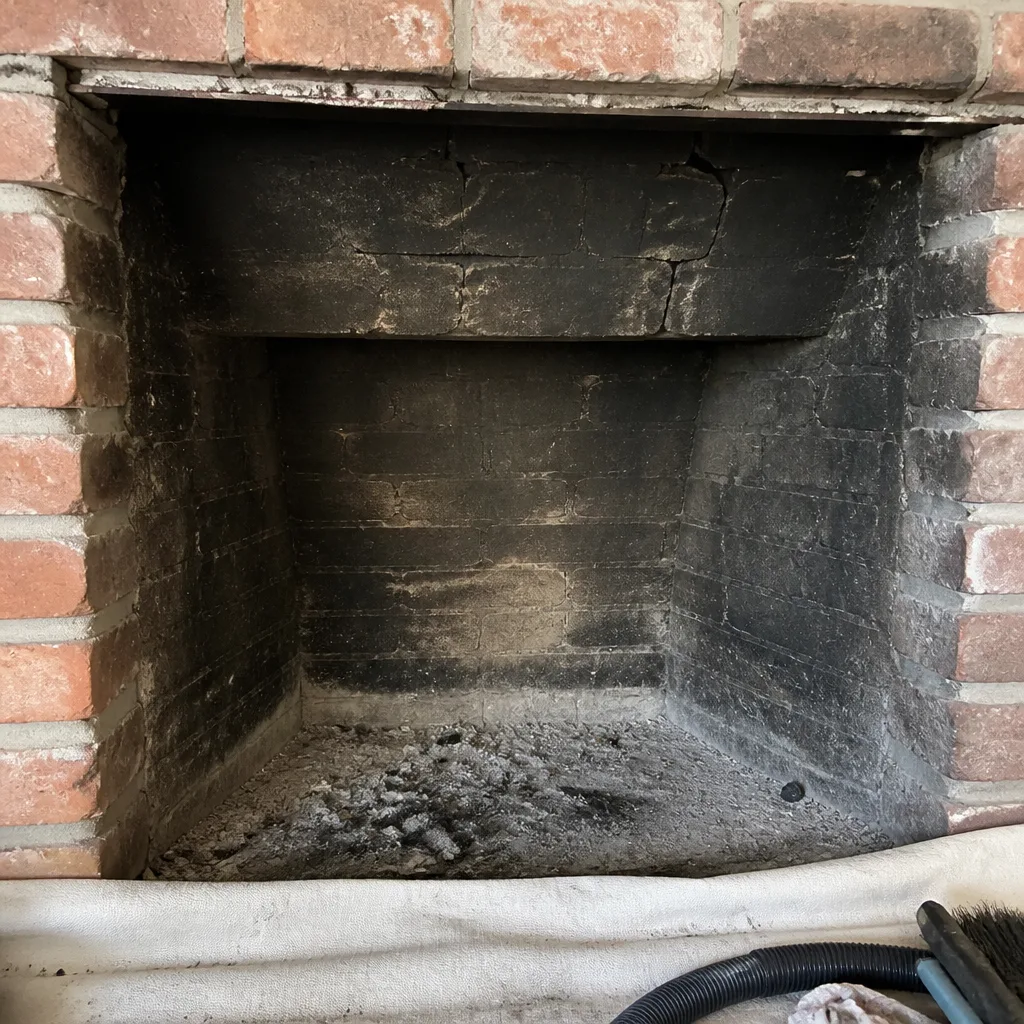 Before
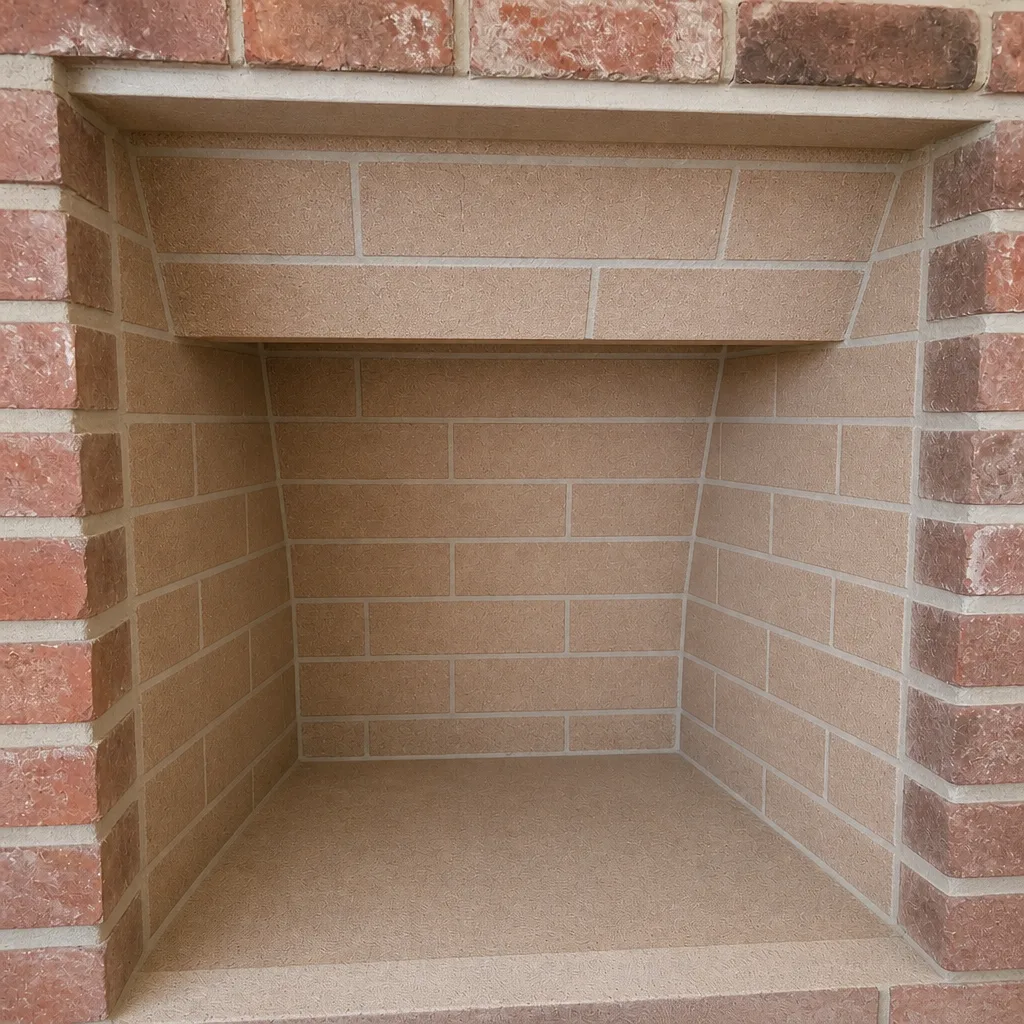 After
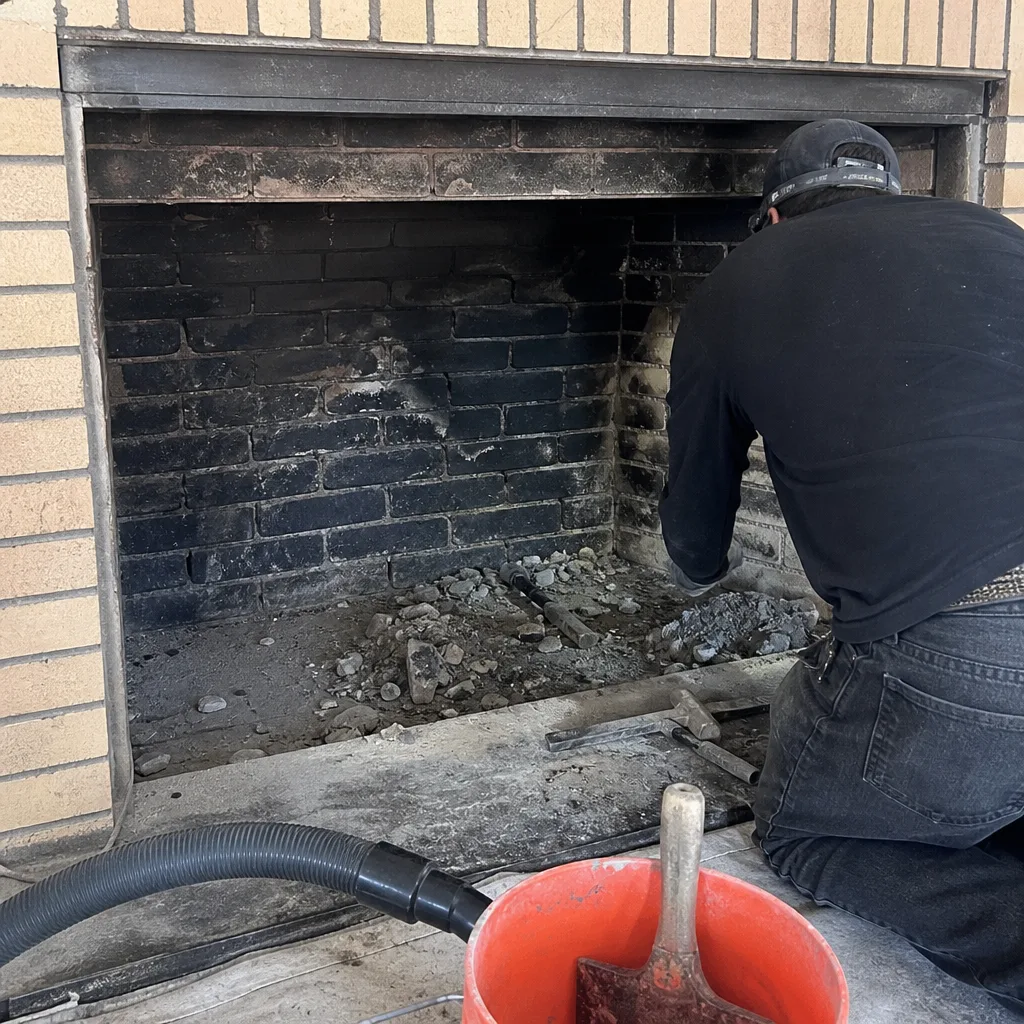 Before
 After
 Before
 After