
Last updated November 4, 2026
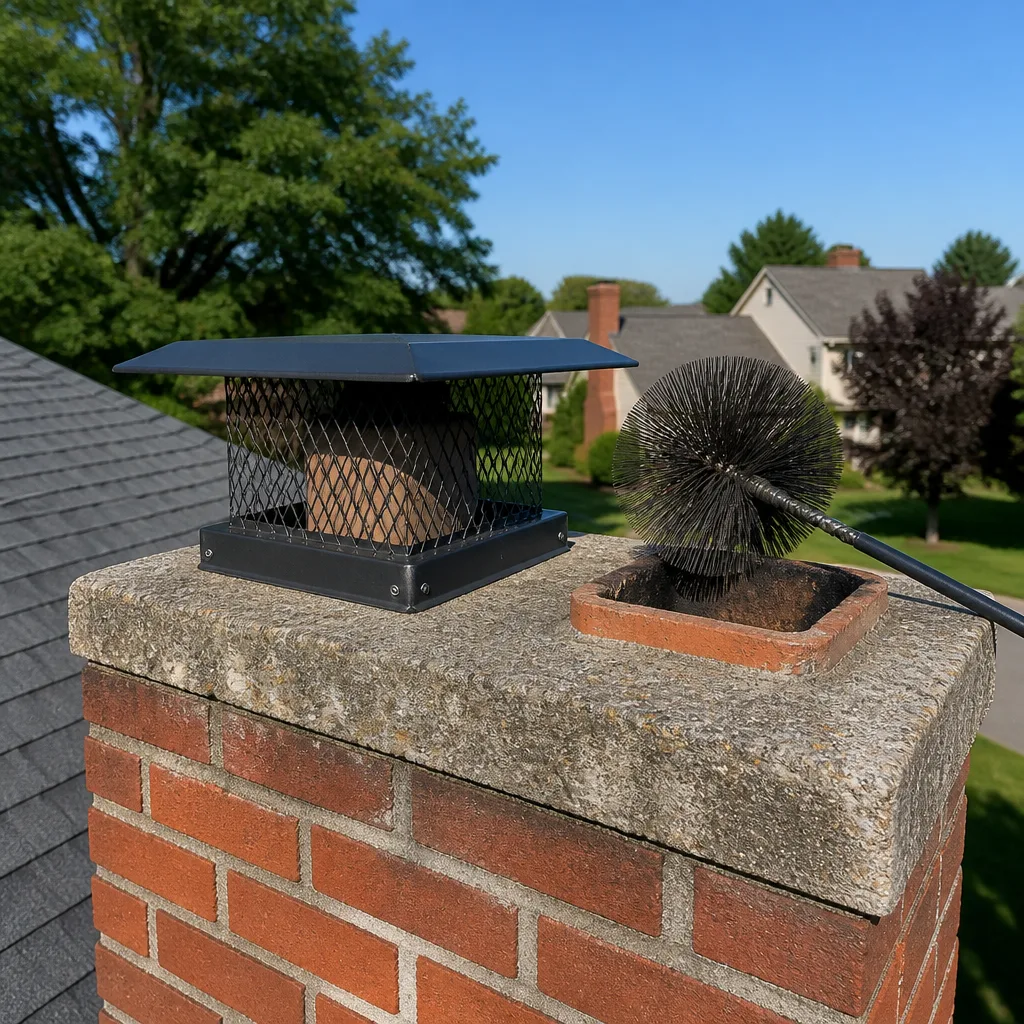 Sweep & inspection
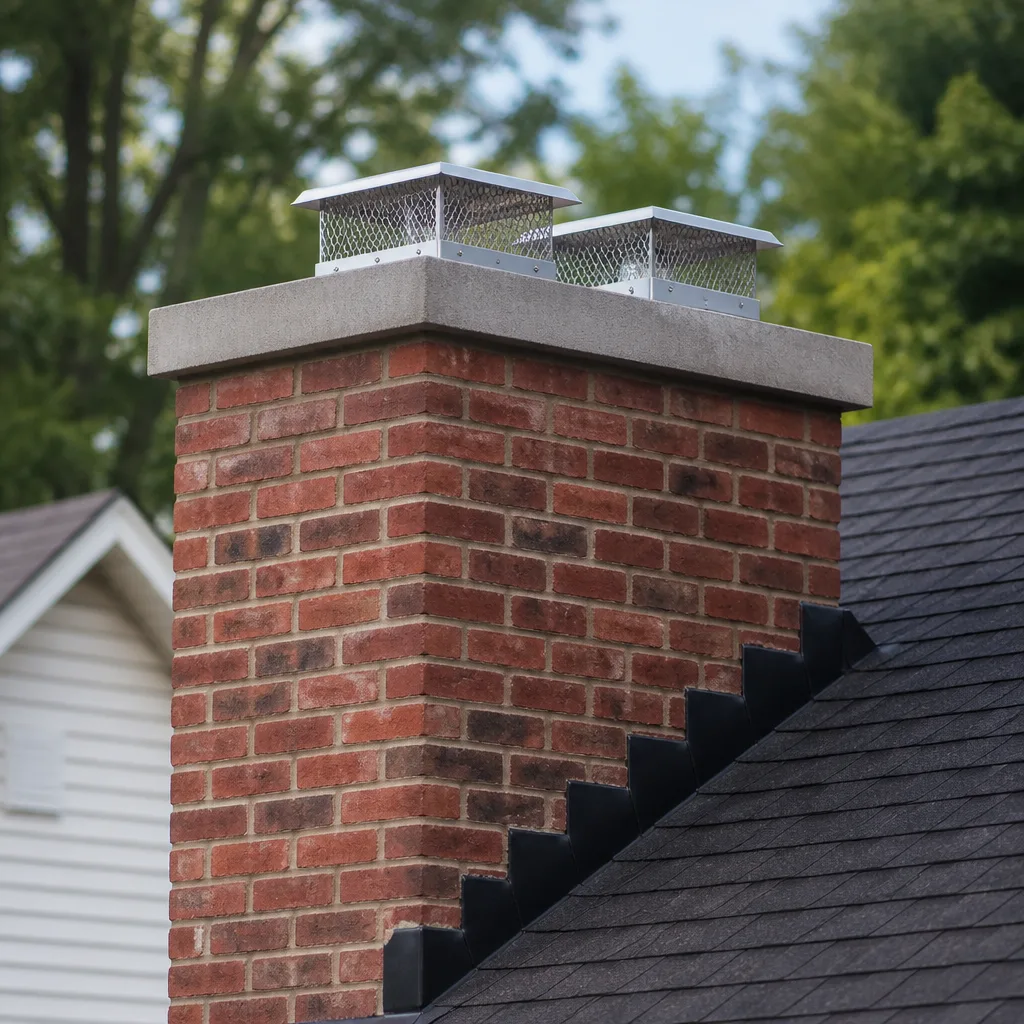 Caps & crowns
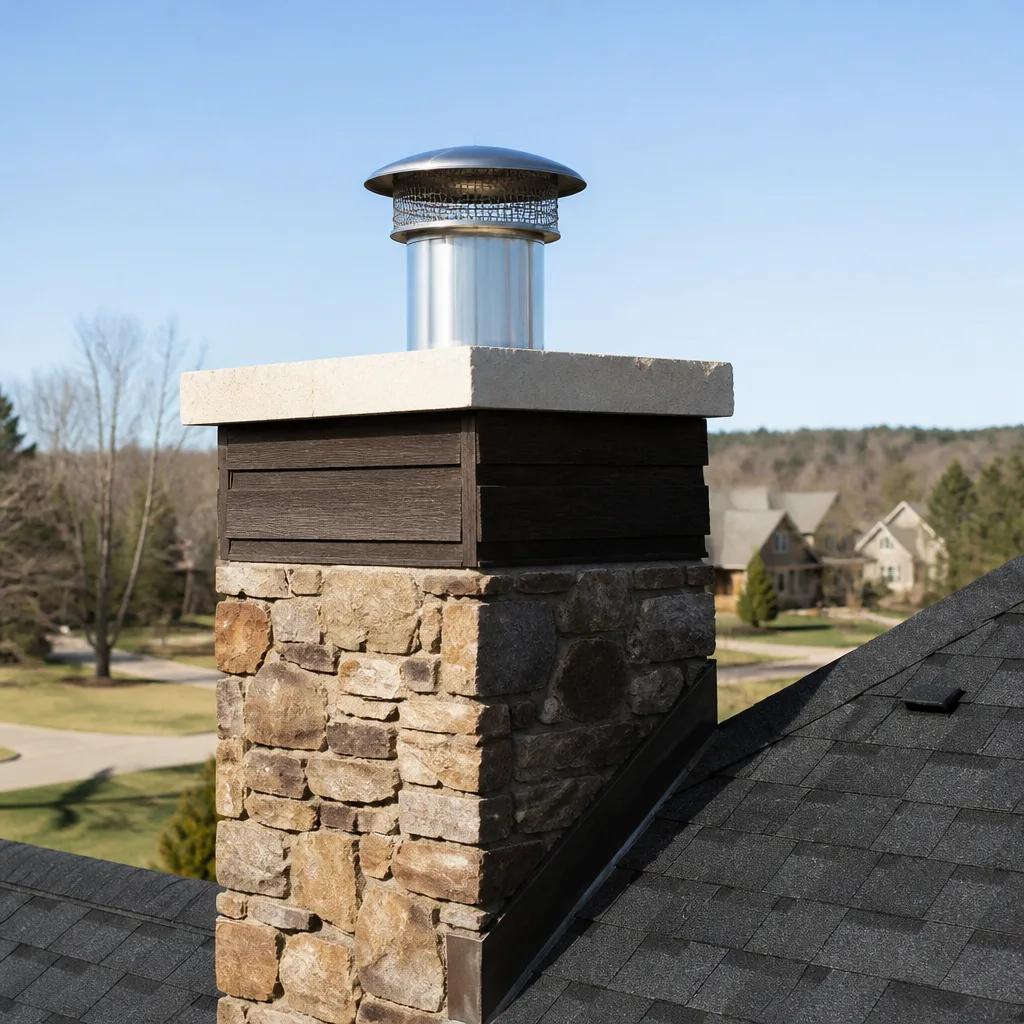 Flue relining
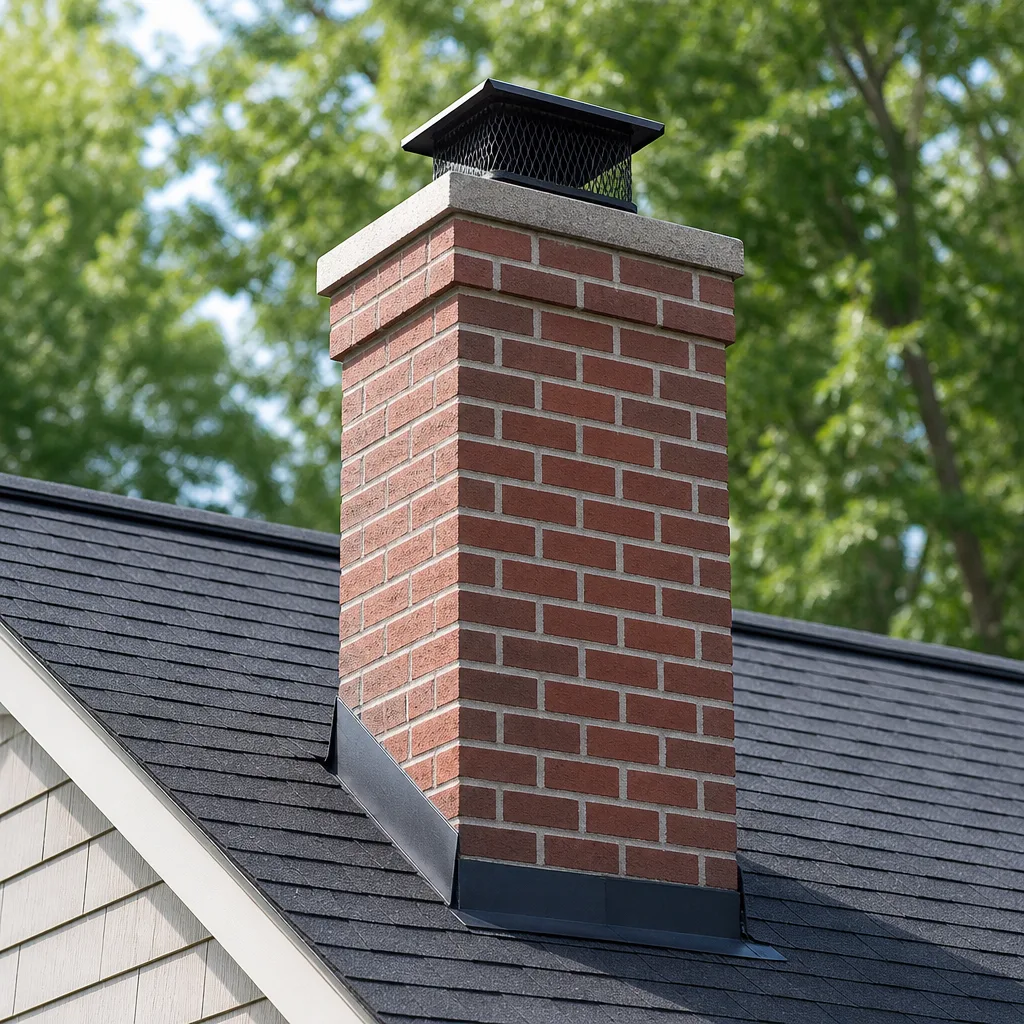 Masonry repair
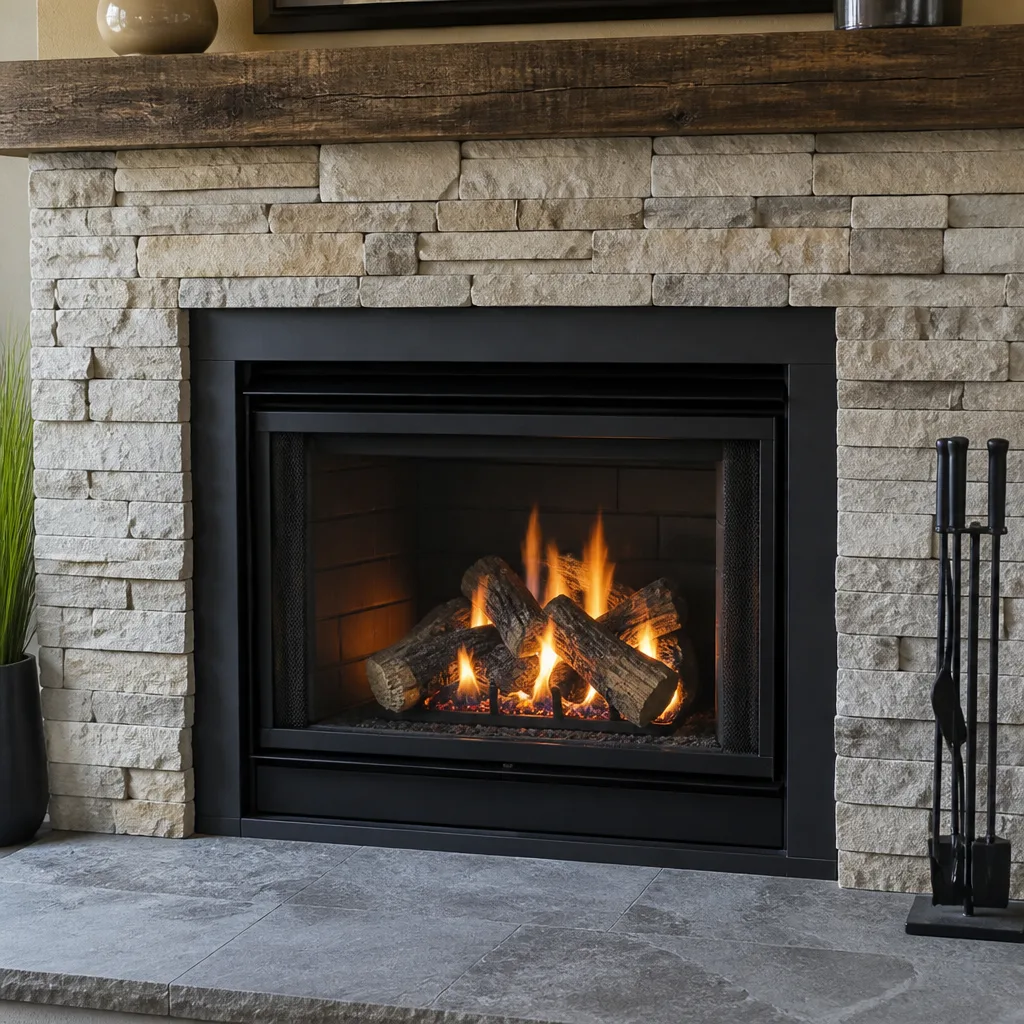 Gas fireplace service
Level 1 sweep and inspection to the NFPA 211 annual standard - flue, crown, cap, and flashing checked and photographed
Chimney sweep logs do not sweep chimneys. They loosen some creosote - which then falls where a brush and vacuum still have to collect it.
Chimney Sweep Maintenance Checklist for Lake Elsinore Homeowners
Most chimney maintenance advice you’ll find online was written for homes in New England or the Midwest, places where a fireplace burns cord wood for six months straight. That advice doesn’t translate cleanly to Lake Elsinore, where winters are mild, many fireplaces run on gas log inserts, and a wood-burning fireplace might get lit twenty nights a year. Here’s the uncomfortable truth: infrequent burning can actually create more dangerous creosote deposits than regular use. This guide builds a maintenance checklist around how you actually use your fireplace, not around a calendar date someone in Connecticut invented. You’ll learn what to check seasonally, what light use does to your flue, and which tasks genuinely require a trained sweep versus which ones you can handle yourself between professional visits.
Quick Answer
A chimney maintenance checklist for a Lake Elsinore home should be organized by fuel type and usage pattern, not by calendar month. For wood-burning fireplaces used under 30 nights per year, schedule a professional sweep annually and perform a visual firebox check before each lighting. Gas log inserts need annual burner and vent inspection, while both systems benefit from a September cap and spark arrestor check before fire season peaks in Riverside County.
Styles & brands we work with
- Sweep & inspection
- Caps & crowns
- Flue relining
- Masonry repair
- Gas fireplace service
Table of Contents
- Why Usage Type Matters More Than Calendar Date
- Homeowner Visual Inspection: What to Check Without Tools
- Wood-Burning Fireplace Seasonal Checklist
- Gas Log Insert Maintenance Checklist
- Dual-Fuel and Outdoor Fire Feature Considerations
- What Light Use Actually Does to Creosote Staging
- Owner-Managed vs. Professional Tasks
- September Pre-Season Checklist for Riverside County
Why Usage Type Matters More Than Calendar Date
Lake Elsinore sits in a climate where fireplaces are decorative for most of the year. You might light a fire on eight cool evenings in December, then not touch the fireplace again until February. Compare that to a home in Minnesota where the same fireplace burns daily from October through March. The maintenance needs are completely different, which is why a generic “sweep once a year” checklist creates false confidence.
Gas log inserts, common in many Lake Elsinore track homes built since the 1990s, have their own maintenance logic entirely. They don’t produce creosote, but they do accumulate dust on burners, develop rust on venting components, and can experience gas line connection wear that a wood-burning checklist would never catch. Dual-fuel systems, where a homeowner occasionally burns wood in a fireplace designed for gas, introduce a completely different set of risks that standard checklists ignore.
The right approach is to identify your system type first, then apply the checklist that matches how you actually burn. We’ve walked into homes where the homeowner had a perfectly maintained gas fireplace but a dangerously clogged chimney because a previous owner burned wood in it for years without disclosure. Usage type, not the calendar, drives the real maintenance schedule.
Homeowner Visual Inspection: What to Check Without Tools
Before you call anyone, there are several inspections you can perform at the firebox, smoke chamber, and cap level with just a flashlight and your eyes. These don’t replace a professional sweep, but they catch obvious problems early and help you communicate with a technician when you call.
At the firebox, look for cracked or crumbling firebrick, gaps in the mortar joints, and any white staining on the brick face. White staining often indicates water intrusion, which in an inland climate like Lake Elsinore usually comes from a failed cap or a crack in the crown, since we don’t deal with snow or freeze-thaw pressure here. Check that the damper opens and closes smoothly and that it seals reasonably well when closed.
At the smoke chamber level, shine your flashlight upward and look for any visible gaps between flue tiles, accumulations of dark material, or pieces of debris. You won’t see past the first bend, but what you can see tells you whether the system has been maintained recently.
At the cap level, if you can safely view your chimney from the ground with binoculars, check whether the cap is present, seated correctly, and free of obvious debris. A missing cap in Lake Elsinore invites birds, rodents, and the occasional gust of desert wind carrying fine particulate into your flue. None of that belongs there.
One caution: if your chimney is on a steep roof or the cap requires ladder access, leave that inspection to a chimney sweep. The visual work at the firebox and smoke chamber is safe for homeowners. Roof-level work is not a DIY task.
Wood-Burning Fireplace Seasonal Checklist
If you burn wood, even occasionally, here’s the owner-managed checklist we recommend for Lake Elsinore homes. We’ve organized it by use frequency because that’s what actually governs creosote accumulation in our climate.
Before Your First Fire of the Season
- Inspect the firebox for cracked brick, loose mortar, or debris from the off-season.
- Open the damper fully and verify it moves freely without sticking.
- Shine a flashlight up the flue and note any dark, shiny deposits, which indicate creosote that could be in a dangerous stage.
- Check that the cap and spark arrestor are in place if visible from the ground.
- Smell the firebox. A strong smoky odor even when cold often signals poor draft or heavy creosote accumulation.
- Verify that your smoke detector and carbon monoxide detector are functioning before the first burn.
During the Burning Season (Typically December through February in Lake Elsinore)
- Burn only seasoned hardwoods. Green wood from local oak or eucalyptus, both common in Riverside County, creates more creosote per fire than properly dried wood.
- Keep fires small and hot. A smoldering, air-starved fire is the single biggest creosote producer.
- Never burn construction lumber, particle board, or treated wood. These off-gas compounds you don’t want in your home.
- After every third or fourth fire, check the firebox floor for accumulating ash or debris.
After the Burning Season
- Close the damper when the fireplace is fully cold to prevent conditioned air loss in summer.
- Schedule your professional sweep in spring or early summer rather than waiting until September. This gives you schedule flexibility and catches problems before fire season.
- Note any water stains, unusual odors, or animal activity for your sweep to investigate.
An annual professional chimney sweep remains the baseline recommendation even for light users. The inspection component matters as much as the cleaning because it catches flue tile gaps and other internal damage that homeowner inspections can’t see.
Gas Log Insert Maintenance Checklist
Gas log inserts are common in Lake Elsinore homes, particularly in newer subdivisions where a wood-burning fireplace wasn’t practical or desired. These systems don’t produce creosote, but they have their own maintenance needs that a wood-burning checklist will miss entirely.
Owner-Managed Tasks for Gas Inserts
- Before the season, vacuum dust and debris from the burner pan and log set using a soft brush attachment. Dust accumulation can cause uneven flame patterns and incomplete combustion.
- Inspect the gas valve area visually. It should be free of dust, cobwebs, and corrosion.
- Check that the pilot light assembly, if present, is free of soot or debris build-up.
- Verify that the logs are seated exactly as the manufacturer intended. Moving a log even an inch can block the flame and create carbon monoxide.
- Test your carbon monoxide detector. Gas fireplaces are vented, but a blocked or damaged vent changes that equation.
- Inspect the glass front or screens for cracks, chips, or loose gaskets.
Professional Tasks for Gas Inserts
- Annual inspection of the venting system for rust, blockages, or separation at joints.
- Gas pressure and connection testing to verify safe operation.
- Burner cleaning and adjustment for proper flame color and efficiency.
- Inspection of the firebox liner for heat damage or deterioration.
One thing we see regularly in Lake Elsinore: a home with a gas insert that was converted from wood, where the original terra cotta flue was never properly addressed for gas venting. That can create condensation and corrosion issues that a standard gas service tech might not inspect for because they’re focused on the appliance, not the chimney system it vents through. A dedicated chimney technician looks at both.
Dual-Fuel and Outdoor Fire Feature Considerations
Some Lake Elsinore homes have fireplaces that were built for wood but later converted to gas, or outdoor fire features integrated into a shared wall or courtyard design. These systems deserve special attention because they combine the maintenance needs of both fuel types.
If a fireplace has been converted from wood to gas, the original masonry flue may not be properly sized or lined for gas venting. Gas burns cooler and produces more water vapor, which means condensation forms inside a flue that was designed for hot wood smoke. That condensation is acidic and damages mortar joints over time. An inspection should verify that the flue is correctly lined for gas use, and if it isn’t, a product like a DuraFlex flexible liner system can bring the venting into proper configuration without a full rebuild.
Outdoor fire features present their own considerations. In Lake Elsinore’s dry inland climate, a fire feature venting through a shared wall or courtyard needs spark arrestor screens in good condition and a cap that excludes debris while allowing proper draft. The fire season risk in Riverside County makes cap integrity on outdoor features more than cosmetic.
For any dual-fuel or converted system, if the flue interior shows deterioration, HeatShield ceramic resurfacing can restore damaged flue interiors without a full masonry rebuild. That’s a significant advantage in a market where a complete chimney rebuild can run many times the cost of a resurfacing application.
What Light Use Actually Does to Creosote Staging
Here’s the counterintuitive part most checklists don’t explain. Homeowners often assume that because they only burn twenty fires a year, they don’t need to worry about creosote. The opposite can be true.
Creosote forms in stages. Stage one is a flaky, sooty deposit that brushes away easily. Stage two is a thicker, tar-like glaze that requires mechanical scraping. Stage three is a hardened, shiny glaze that can resemble glass and requires chemical treatment or even flue replacement. The stage is determined primarily by flue temperature during burns and by what’s being burned, not by the number of fires alone.
When a Lake Elsinore homeowner lights a fire eight times in December, each fire is often kept small because the mild weather doesn’t require much heat. Small fires mean cooler flue temperatures, which means more condensation of smoke particles onto the flue walls. In colder climates, homeowners build larger, hotter fires that push flue temperatures high enough to keep creosote in its drier, easier-to-remove stage. A dozen cool, smoldering fires can leave flue deposits in worse condition than fifty hot, efficient burns.
The type of wood also matters here. Local eucalyptus, which some Lake Elsinore residents use because it’s available and inexpensive, is oily and produces heavy smoke. Burning it occasionally in a fireplace that never gets hot enough to burn off deposits is a recipe for stage two or stage three creosote accumulation, even with light use.
This is why the “I barely use it, so it’s fine” assumption is dangerous. Light, infrequent burning produces a specific creosote profile that professional eyes can identify. If your sweep tells you that your stage two deposits are typical for light-use homes in this climate, that’s accurate, not an upsell.
Owner-Managed vs. Professional Tasks
Some chimney maintenance genuinely requires a trained professional. Some doesn’t. Knowing the difference saves money without sacrificing safety.
Tasks Homeowners Can Safely Manage
- Visual inspection of the firebox for cracks, debris, and staining
- Damper operation checks
- Visual inspection of the cap and spark arrestor from the ground
- Keeping the area around the fireplace clear of flammable materials
- Checking carbon monoxide and smoke detector batteries
- Monitoring flame color on gas logs for signs of incomplete combustion
Tasks That Require a Professional
- Creosote removal at any stage
- Inspection of the flue interior beyond the first bend
- Cap replacement or repair at roof level
- Flue tile damage assessment and repair
- Gas line connection testing and adjustment
- Any resurfacing or relining work
The line between these lists is drawn by risk and access. Firebox visual checks are safe for a homeowner. Roof-level work is not, especially on Lake Elsinore homes with Spanish tile or steep pitches common in newer construction. Flue interior inspection requires cameras and training. If a task involves climbing more than a step stool, leave it to someone with the right equipment and insurance.
One more distinction: a dryer vent cleaning is a maintenance task some homeowners attempt with a brush kit from a hardware store, but professional cleaning reaches the entire vent run and verifies airflow after the fact. It’s also a fire-prevention service worth doing on the same schedule as your chimney work, since lint accumulation is a leading cause of home fires according to NFPA guidance.
September Pre-Season Checklist for Riverside County
In Lake Elsinore, the critical month for chimney work is September, not October or November. Fire season in Riverside County peaks in the fall months, when dry Santa Ana winds create elevated risk. A chimney with a missing spark arrestor or accumulated creosote becomes a fire hazard exactly when conditions are worst. Here’s the pre-season checklist we recommend for September:
- Schedule your professional sweep and inspection if you haven’t had one in the past twelve months.
- Perform your own visual firebox inspection using the checklist above.
- Test carbon monoxide and smoke detectors, replacing batteries now rather than mid-season.
- Check that your spark arrestor screen is intact. In Riverside County, an intact spark arrestor is a meaningful fire-safety feature, not an accessory.
- If you have a gas insert, vacuum the burner assembly and inspect the logs for proper seating.
- Note any animal activity. Birds and rodents build nests in unused chimneys during summer, and a nest in September becomes a fire hazard in October.
- If you dried any firewood locally, verify it’s properly seasoned. Wood harvested in spring from local oak may not be ready by September in our dry climate, but it should be close.
September is also a good time to have your dryer vent inspected, since major fall holidays bring heavier laundry loads and accumulated lint poses a heightened fire risk as indoor heating returns. Addressing both fire hazards in a single service call is one way to keep the fall checklist manageable.
Common Mistakes to Avoid
- Assuming light use means no maintenance needed. In Lake Elsinore’s mild winters, the classic “we barely use it” mindset leads to exactly the creosote staging problems described above. Low-temperature fires can produce the most dangerous deposits.
- Burning local eucalyptus without seasoning it properly. Eucalyptus is oily and abundant in Riverside County, but burning it green or even partially seasoned produces heavy smoke and rapid creosote accumulation. If you burn it, make sure it’s been split and dried for at least twelve months.
- Treating a gas insert like a maintenance-free appliance. Gas fireplaces still vent combustion gases and still have connections that age. They need annual inspection, just with a different checklist than wood systems.
- Skipping the spark arrestor check in summer. In fire-prone Riverside County, a missing or damaged spark arrestor is a safety issue, not a cosmetic detail. Check it in September before fire season peaks.
- Using hardware-store brush kits for a full chimney cleaning. A brush kit reaches a few feet up the flue. Professional sweeps use camera inspections and specialized tools to clean the entire system. You can’t clean what you can’t see.
- Closing the damper immediately after a fire. Wait until the fire is fully out and the ashes are cold. Closing early traps smoke and carbon monoxide inside the home.
- Ignoring the dryer vent as part of home fire prevention. Lint accumulation is a leading cause of home fires, and many Lake Elsinore homes have long dryer vent runs that accumulate lint faster than homeowners expect.
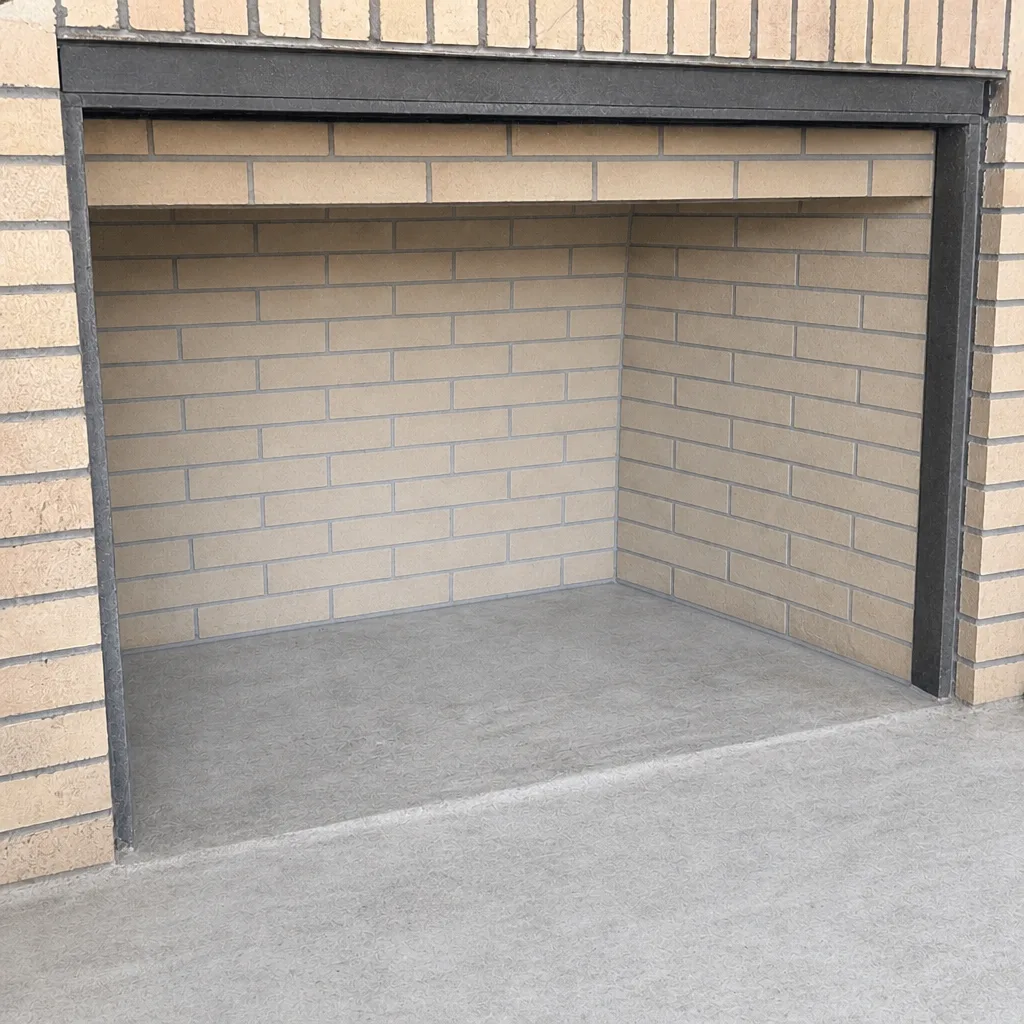
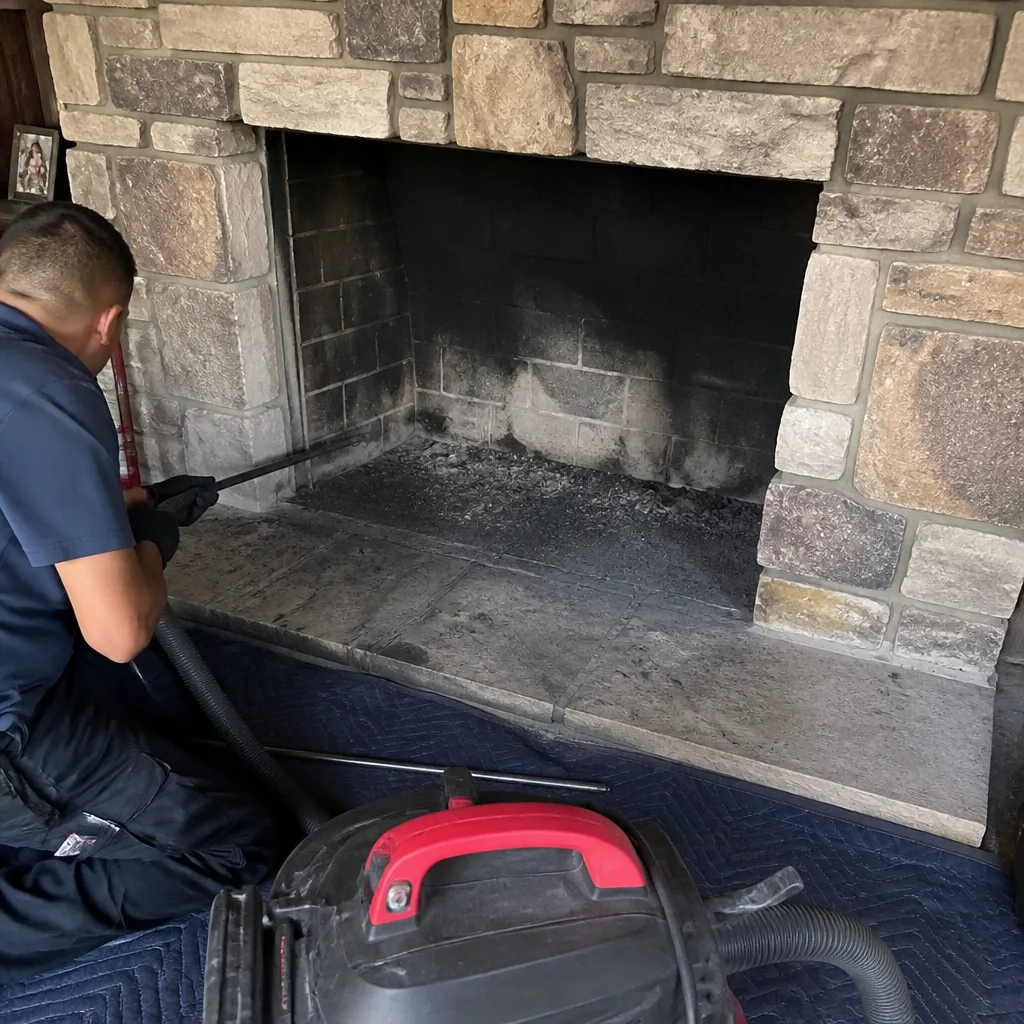
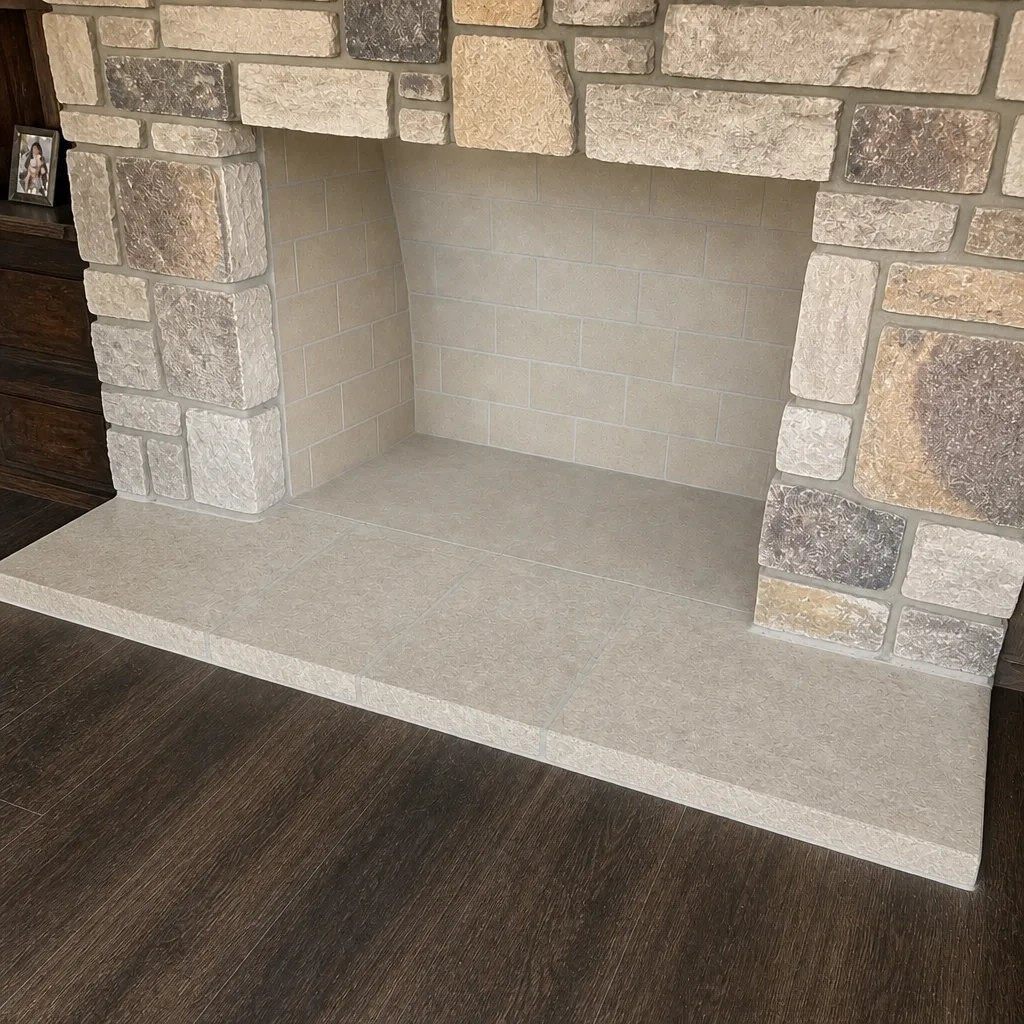
See the difference
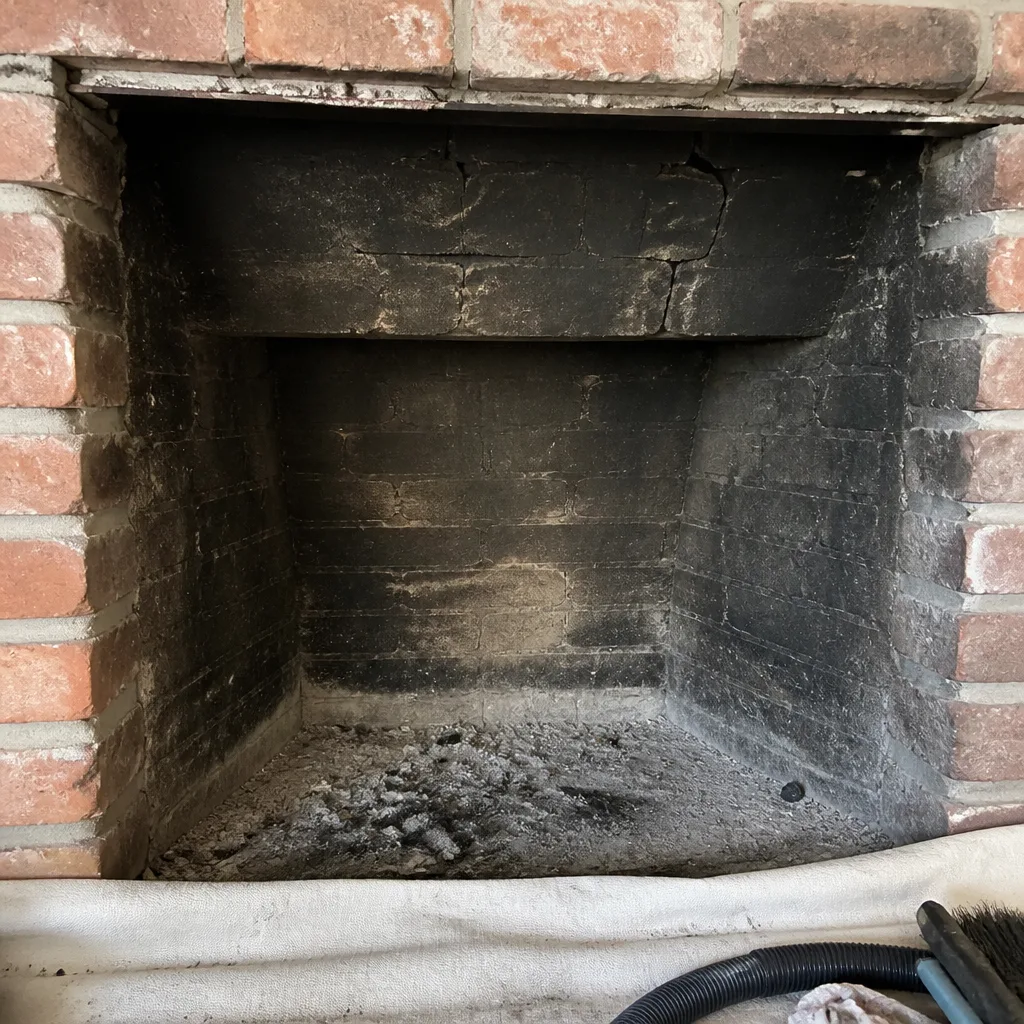 Before
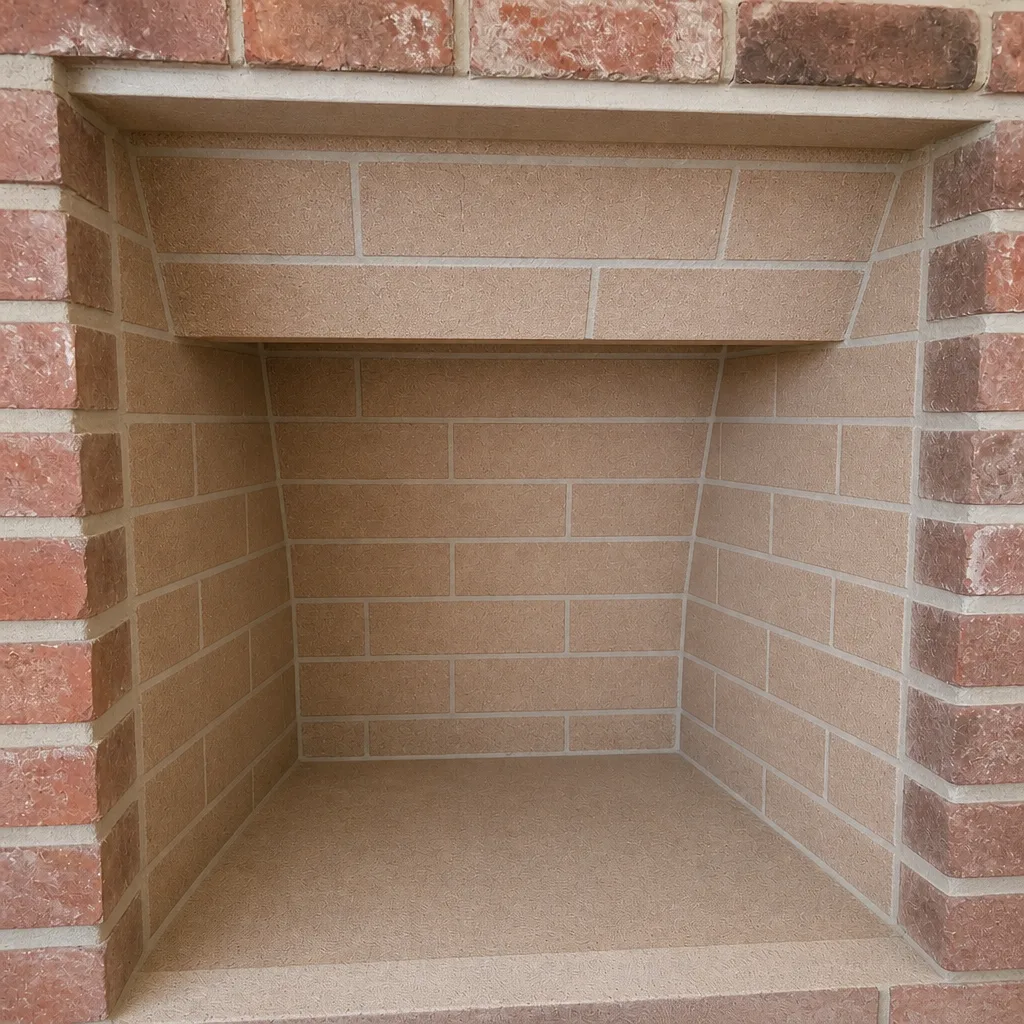 After
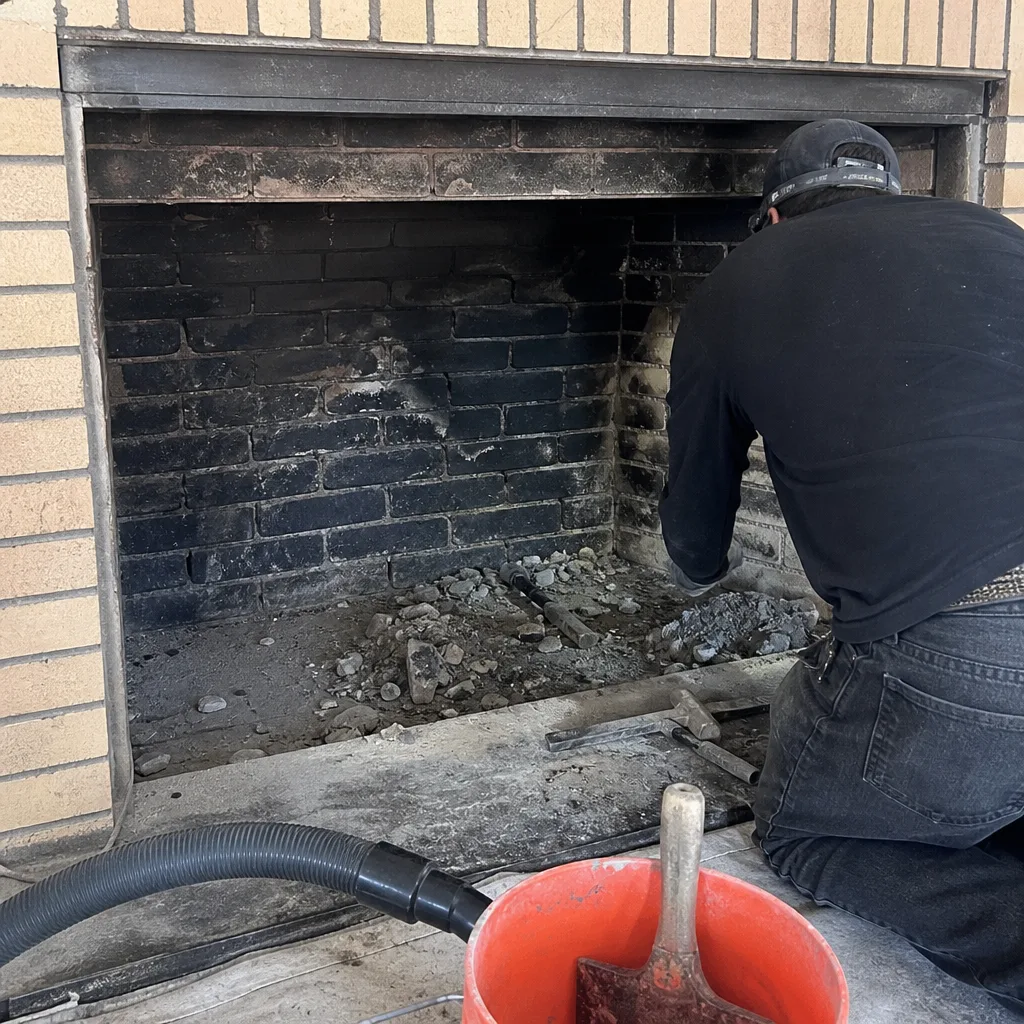 Before
 After
 Before
 After
When to Call a Professional
Call a professional if you see shiny, tar-like deposits inside your flue, if you notice water staining in the firebox or on the ceiling near the chimney, if your damper no longer seals properly, or if you’ve had an animal in the chimney at any point. Strange odors when the fireplace is cold, visible smoke entering the room during a fire, or a gas insert that produces yellow flames instead of blue all warrant a same-day inspection. Chimney Sweep Lake Elsinore offers free estimates in Lake Elsinore – call (833) 589-9415. We answer 24/7. Fast dispatch from 7am to 7pm, Sunday through Friday.
Frequently Asked Questions
Annually, regardless of how often you burn. Light, infrequent burning in our mild climate can produce stage two or stage three creosote deposits that are more dangerous than the fluffy soot from hot, regular burns. An annual sweep with inspection catches problems before they become hazards, even in homes where the fireplace is lit only a handful of times each season.
Gas log inserts don’t produce creosote, so they don’t need sweeping in the traditional sense, but they do need annual venting inspection and burner cleaning. Dust, rust, and gas connection wear are the maintenance concerns. A converted fireplace, where gas now vents through an original wood flue, needs professional inspection to verify the flue is properly lined for gas venting.
Creosote accumulates, and in stage three form it becomes a hardened glaze that can require chemical treatment or flue replacement rather than simple sweeping. Water intrusion through a failed cap or cracked crown damages mortar joints. Unseen flue tile gaps allow heat to reach combustible framing. The risks compound silently because the damage is happening behind brick where you can’t see it. A professional inspection is the only way to know what you’re working with.
You can inspect the firebox, damper, and visible portions of the smoke chamber with a flashlight. That catches obvious problems like cracked brick, debris, or visible creosote at the firebox level. You cannot see past the first bend of the flue, which is where most problems live. Professional inspections use cameras and specialized tools to view the entire system, and roof-level cap inspections require equipment and training.
Pricing varies by system type, chimney height, and the level of creosote present. A standard open masonry fireplace with light creosote is a different job than a two-story chimney with a gas insert and a stage two creosote condition. The written estimate sets the final price, and estimates are free. Call (833) 589-9415 for an exact quote.
Yes. Dryer vent cleaning is offered as a parallel fire-prevention service, which means you can address two of the leading home fire sources in a single call. Lint accumulation is a documented fire hazard according to NFPA guidance, and long vent runs common in Lake Elsinore homes make professional cleaning the reliable option.
The Bottom Line
A chimney maintenance checklist for Lake Elsinore homes works best when it’s built around your fuel type and usage pattern. Wood-burning systems need annual sweeping regardless of how few fires you light, because light burns produce dangerous creosote stages. Gas inserts need annual venting and burner inspection. Dual-fuel and converted systems have unique risks that warrant professional eyes. Inspect what you can see from the ground and firebox, schedule professional work in September before fire season peaks, and treat dryer vent cleaning as part of the same fire-prevention discipline. When in doubt, call for an estimate. The inspection component of a sweep is the most valuable part, and catching a problem early is always less costly than repairing it after it becomes visible.
Written by the team at Chimney Sweep Lake Elsinore, serving Lake Elsinore since 2013.