
Last updated November 4, 2026
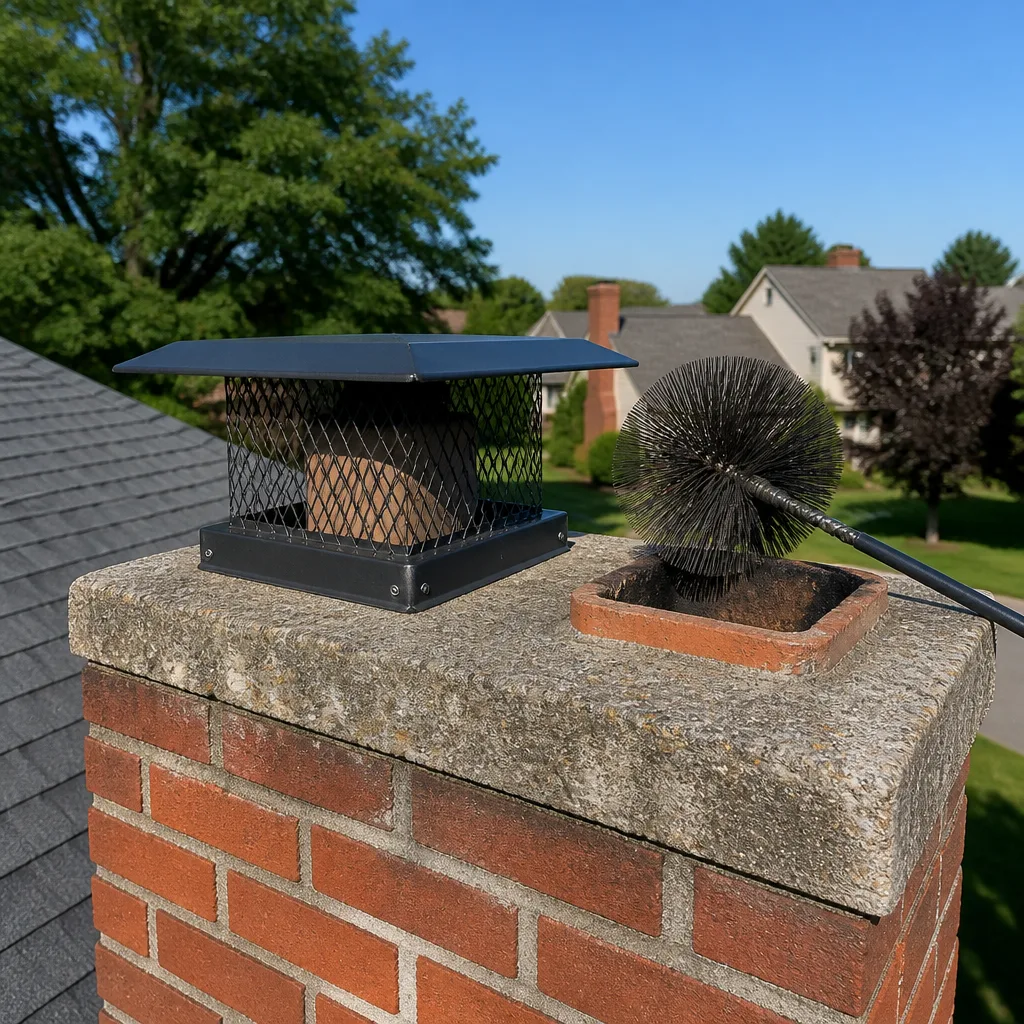 Sweep & inspection
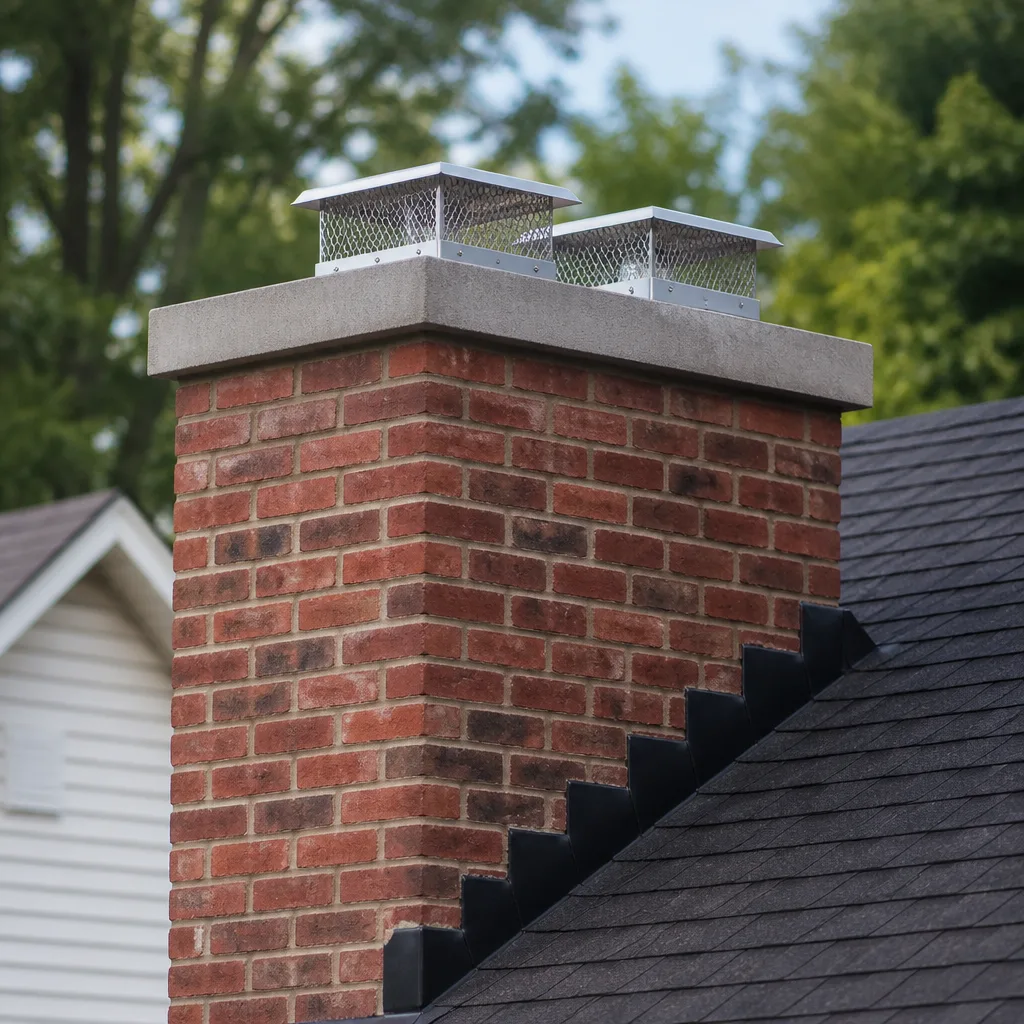 Caps & crowns
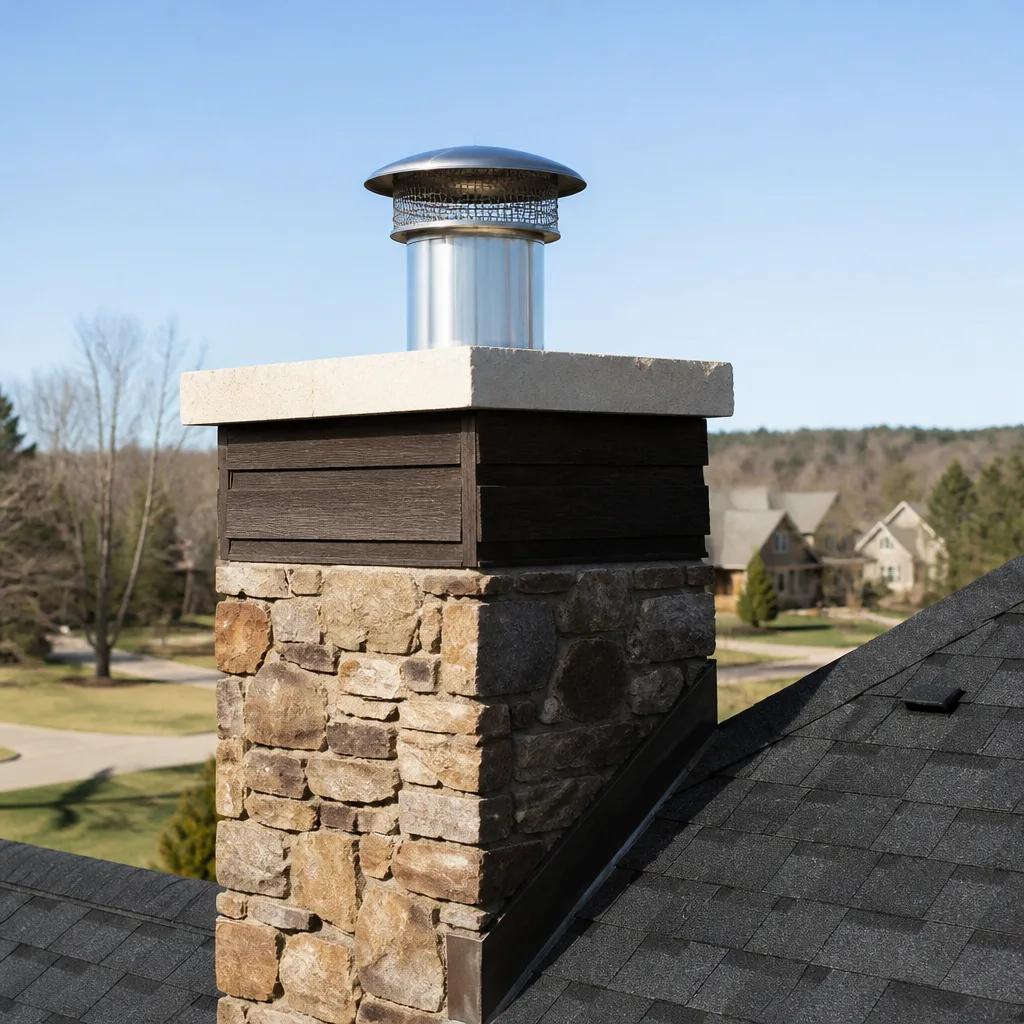 Flue relining
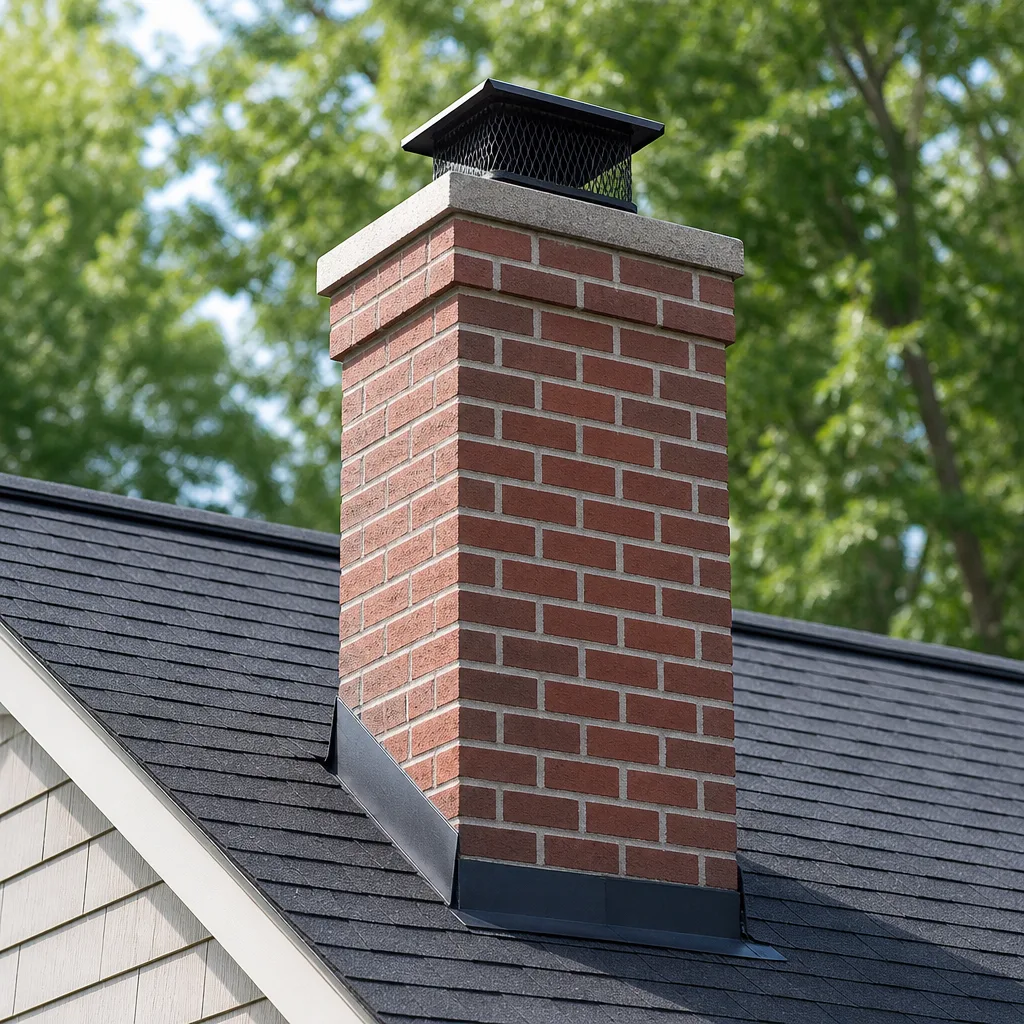 Masonry repair
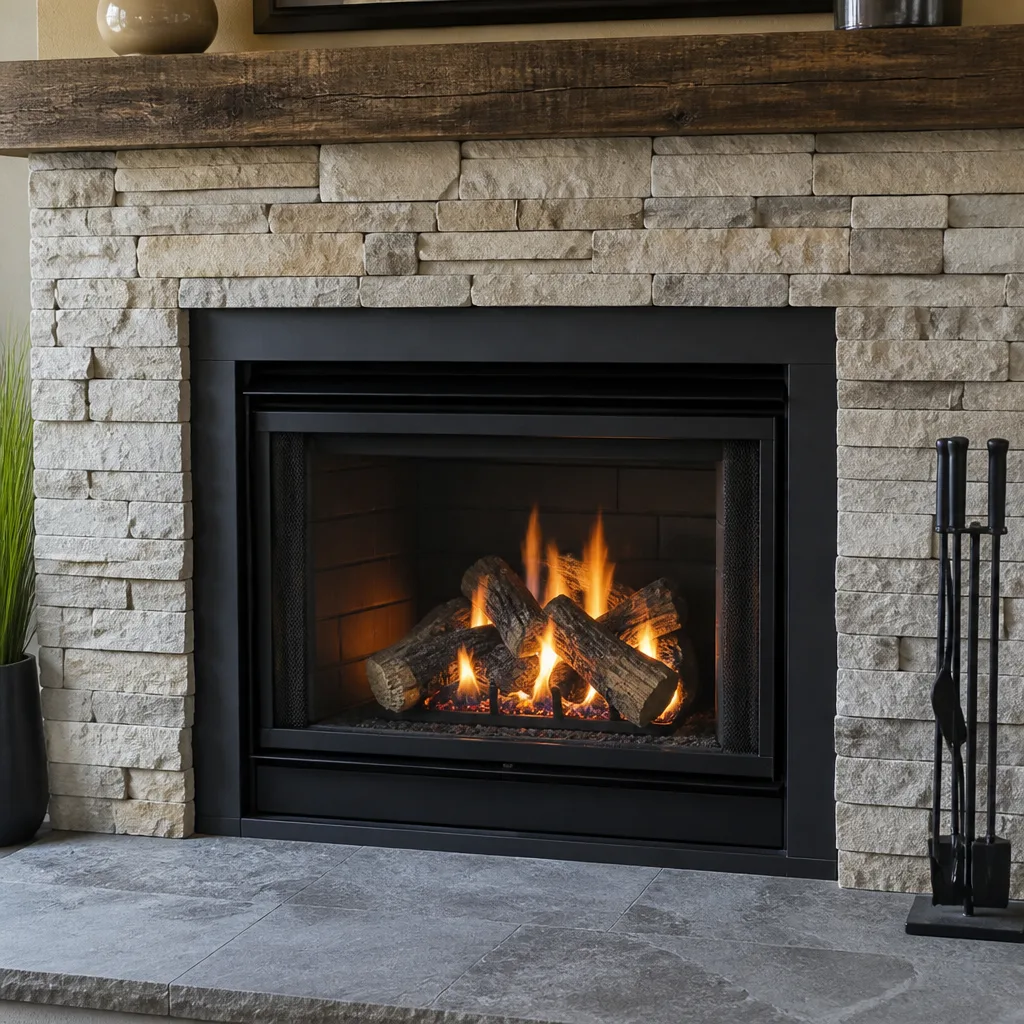 Gas fireplace service
Level 1 sweep and inspection to the NFPA 211 annual standard - flue, crown, cap, and flashing checked and photographed
Chimney sweep logs do not sweep chimneys. They loosen some creosote - which then falls where a brush and vacuum still have to collect it.
Chimney Cleaning Permits, Codes & Inspections in Lake Elsinore, CA: What You Need to Know
Most homeowners in Lake Elsinore assume that if a chimney sweep never mentioned a permit, the work they did was completely above board. That assumption holds true for the cleaning itself. But the moment a sweep finds a cracked flue liner, a deteriorated crown, or a rusted-out cap, the repair that follows can trigger California Residential Code requirements that nobody talked about at the time of service. The problem rarely shows up immediately. It shows up three years later when you’re selling the house and the title company asks for documentation, or when an insurance adjuster reviews your claim after a chimney fire and discovers the liner replacement was never permitted. This guide explains exactly when Riverside County requires permits for chimney work, which repairs fall under routine maintenance, and how inspection reports can protect you long after the job is done.
Styles & brands we work with
- Sweep & inspection
- Caps & crowns
- Flue relining
- Masonry repair
- Gas fireplace service
Quick Answer
Chimney cleaning in Lake Elsinore does not require a permit because it is classified as routine maintenance under the California Residential Code. However, repairs that alter the chimney system, including liner replacement, flue resurfacing, cap installation, or masonry rebuilds, may require a permit from Riverside County Building and Safety. A Level 2 inspection report serves as your documentation that work was performed to code, which matters for insurance claims and real estate disclosures.
Table of Contents
- The Legal Difference Between Cleaning and Repair
- California Residential Code Chapter 10: What Applies
- Riverside County Permit Requirements for Chimney Work
- How a Level 2 Inspection Report Protects You
- Gas Insert Installations: When Permits Are Unavoidable
- Grandfathering Rules for Older Lake Elsinore Homes
- What Permits and Inspections Cost in Lake Elsinore
- Common Mistakes to Avoid
- When to Call a Professional
- Frequently Asked Questions
- The Bottom Line
The Legal Difference Between Cleaning and Repair
A chimney sweep removes creosote, soot, and debris from the flue interior. The tools stay inside the existing system, and nothing structural changes. Riverside County, like most California jurisdictions, treats this as routine maintenance, the same category as changing an air filter or cleaning gutters. No permit, no inspection, no file with the building department. That classification holds whether you burn wood in Lake Elsinore or have a gas fireplace that just needs a light dusting of soot removed.
Repair work is different. When a sweep identifies a crack in the flue liner, a damaged smoke chamber, or a crown that has started to fail, fixing it means altering the chimney system. That alteration is where the California Residential Code, specifically Chapter 10 on chimneys and fireplaces, starts to apply. The line between maintenance and alteration is not always intuitive. For example, replacing a chimney cap that simply sits on top of the flue is generally considered maintenance. But if the cap replacement requires modifying the flue tile or the crown, or if it involves anchoring to the masonry in a way that changes the structure, Riverside County may require a permit.
We’ve seen homeowners in Lake Elsinore get surprised by this distinction when a simple cleaning turns into a liner recommendation. The cleaning itself never needed paperwork. The liner replacement, if done properly, does. Understanding this line before you agree to any repair protects you from undocumented work that becomes a problem later.
The practical rule: if the work restores the chimney to its original condition without changing its structure, materials, or function, it’s maintenance. If it changes what the chimney is, how it’s built, or what it’s made of, assume a permit may apply and verify with Riverside County Building and Safety before the work starts.
California Residential Code Chapter 10: What Applies
California adopts the International Residential Code with state-specific amendments. Chapter 10 of the California Residential Code covers chimneys and fireplaces, and it contains specific provisions that apply to repairs, alterations, and new installations. For Lake Elsinore homeowners, the sections that matter most are those governing flue lining, clearances to combustibles, and chimney terminations above the roofline.
Section R1003 covers chimney construction and requires that masonry chimneys have a flue lining made of approved clay tile, concrete, or a listed chimney liner system. This is why a cracked clay tile liner becomes an issue during a sweep. The code does not grandfather a damaged liner indefinitely. If you’re repairing the chimney, you must bring the liner into compliance. That’s where products like DuraFlex flexible liners come in, they meet the listed liner system requirement and allow a repair without tearing down the entire masonry structure.
Section R1001 addresses the firebox and hearth, including the required dimensions and construction. Section R1005 covers chimney terminations. In Lake Elsinore, where many homes sit on sloped lots with varied rooflines, termination height relative to the roof peak matters. A chimney that was compliant when the house was built can become non-compliant if a second-story addition changed the roof geometry. Homeowners often don’t realize this until a sweep points out that the chimney is now too short under current code.
The enforcement of Chapter 10 is local. The state provides the code text, but Riverside County Building and Safety interprets and enforces it. That means what passes in another California county may not pass here, and vice versa. A reputable contractor in Lake Elsinore will know Riverside County’s specific interpretations of Chapter 10, including what they require for liner replacement inspections and what documentation they expect before they issue a final approval.
Riverside County Permit Requirements for Chimney Work
Riverside County Building and Safety issues permits through their online portal or in-person at their offices. For chimney work specifically, the trigger for a permit depends on the scope. Here’s how the county generally categorizes common chimney jobs:
- Chimney sweep and inspection: No permit required. This is maintenance and does not alter the structure.
- Chimney cap replacement (simple swap): Typically no permit. The cap sits on the flue and does not change the chimney’s function.
- Chimney cap replacement (with masonry work): Permit may be required. If the crown needs repair or the flue tile must be modified to fit the new cap, the county considers it an alteration.
- Flue liner replacement (stainless steel or ceramic): Permit required. This changes the chimney’s internal structure and must be inspected.
- HeatShield resurfacing application: Permit typically required. Resurfacing changes the flue’s material composition and must meet Chapter 10 standards.
- Masonry rebuild (partial or full): Permit required. Rebuilding changes the structure and triggers full code compliance for the rebuilt portions.
- Gas insert installation: Permit always required. This falls under mechanical and fuel gas code provisions in addition to Chapter 10.
The permit process in Riverside County is not particularly slow for chimney work. A simple liner replacement permit can often be issued within a few days to a couple of weeks, depending on the current volume at the building department. The bigger issue for Lake Elsinore homeowners is that an unpermitted liner replacement becomes a documentation gap. When you sell the home, the standard real estate disclosure asks whether all work was performed with required permits. An unpermitted liner replacement that the buyer’s inspector identifies becomes a negotiation issue or, worse, a reason for the buyer to walk.
If you already have unpermitted chimney work from a previous owner, the path forward is not always to tear it out. Riverside County allows retroactive permits for some work if it can be inspected and verified to meet current code. That process starts with a call to Building and Safety, not with a contractor. A qualified sweep can help you understand what’s there now, but the county makes the final call on whether they’ll accept it.
For most homeowners in Lake Elsinore, the simpler approach is to permit any liner or structural work from the start. The permit fee is a small fraction of the job cost, and the documentation it produces is worth far more than the fee when it comes time to sell or file an insurance claim.
How a Level 2 Inspection Report Protects You
A Level 2 inspection is the industry standard for evaluating a chimney when the system is changing: a property sale, a fuel source change, an appliance replacement, or after a chimney fire. It includes everything in a Level 1 inspection plus access to the flue interior through the attic, crawlspace, or roof. The inspector uses a camera to document the entire flue, the smoke chamber, and the firebox condition. The deliverable is a written report, often with photos, that describes what was found and what, if anything, needs to be corrected.
In Lake Elsinore, a Level 2 report functions as evidence. If you file a homeowner’s insurance claim after a chimney fire, the adjuster will ask what condition the chimney was in before the fire. A Level 2 report from six months earlier that shows a clean, properly lined flue supports your claim that the fire was not caused by neglect. Without that report, the insurance company may argue that the chimney was unsafe and that you failed to maintain it, which could reduce or deny the claim.
The same logic applies to real estate transactions. When a buyer’s inspector flags any chimney issue, even a minor one, the seller who can produce a recent Level 2 report showing the inspected condition has a much stronger negotiating position. The buyer who doesn’t have one may push for a price reduction or a repair credit, sometimes for issues that never existed. A Level 2 report is insurance against those unknowns, and in our experience in Lake Elsinore, it’s one of the cheapest forms of protection you can buy for a chimney system.
The report is also useful when you’re planning repair work. A camera inspection identifies exactly what’s wrong, which means the repair scope is based on evidence rather than a guess. That’s how HeatShield resurfacing or a DuraFlex liner system gets specified correctly: the inspector sees the crack, the spalling, or the missing mortar joint, and the repair is tailored to that specific finding. A homeowner who gets a repair recommendation without a camera inspection has no way to verify it. A homeowner with a Level 2 report can see the problem in the photos, which changes the conversation from trusting a sales pitch to reviewing evidence.
Gas Insert Installations: When Permits Are Unavoidable
A common scenario in Lake Elsinore goes like this: a homeowner calls for a chimney sweep, the sweep finds a deteriorating flue liner, and the homeowner decides to switch to a gas insert instead of repairing the chimney for wood burning. The gas insert is a sealed unit that vents through a smaller, dedicated liner. It’s an efficient choice, and it eliminates the need for a full masonry flue repair. But it triggers permit requirements that are absolute.
Installing a gas insert in a fireplace that previously burned wood is an alteration to the venting system. Riverside County requires a mechanical permit for the installation. The work must be performed by a contractor with the appropriate license classification, and the final installation must pass inspection. This is not optional, and it’s not a gray area. An unpermitted gas insert installation is a code violation, a potential insurance gap, and, in a worst case, a safety hazard if the venting was not installed to the manufacturer’s listed requirements.
The permit process for a gas insert includes planning review of the venting system design, the appliance clearance requirements, and the combustion air provisions. The inspector will verify that the liner is the correct size for the appliance, that the termination meets code, and that the gas line was installed properly. The final approval gives you a record that the system is code compliant, which matters for insurance and resale.
Some homeowners ask whether they can skip the permit and just have the insert installed quietly. The practical answer is that the installation itself is only the beginning. The unpermitted work follows the house. When you sell, the buyer’s inspector will likely note that the fireplace was converted from wood to gas without a permit on file. The buyer will then ask for the permit or a credit to cover the cost of pulling one retroactively. Riverside County can issue retroactive permits for gas inserts, but the process is more involved and more expensive than pulling the permit before the work starts. The honest recommendation is to permit it from the beginning and avoid the cascade of problems that follows unpermitted gas work.
Grandfathering Rules for Older Lake Elsinore Homes
Lake Elsinore has a substantial stock of older homes, many built in the 1960s, 1970s, and 1980s, well before the 1998 adoption of the Uniform Building Code updates that tightened chimney standards. A common question from owners of these homes is whether their existing chimney is still legal. The answer is nuanced, and it’s where a lot of confusion begins.
Grandfathering in California building code means that an existing structure that was compliant when it was built does not need to be upgraded to current standards simply because a new code was adopted. If your Lake Elsinore home has a chimney that was built to the code in effect when the house was constructed, the county does not require you to tear it down and rebuild it to current Chapter 10 standards. The chimney remains legal as-is, so long as it has not been modified.
The grandfathering stops in specific situations. The first is when you alter the chimney. Any repair or modification that touches the structure, the liner, or the venting system requires that the modified portions meet current code. You cannot replace a damaged clay tile liner with another clay tile liner if the new code requires a listed liner system. You cannot patch a firebox with non-compliant materials just because the original was built that way. The repair must meet today’s standards, not yesterday’s.
The second situation is when the chimney becomes unsafe. A damaged liner, a failing crown, or a firebox with cracked masonry is not grandfathered simply because it’s old. If the condition presents a fire hazard, the county can require correction. This is where a Level 2 inspection becomes crucial. The inspection documents whether the chimney is functioning safely or whether it has deteriorated to the point where repair is mandatory. An older Lake Elsinore chimney that has been well maintained can continue to serve. One that has been ignored for decades often needs work that must be done to current code.
In our experience, older chimneys in Lake Elsinore often show the same pattern: the masonry above the roofline is weather-worn from the inland sun and occasional heavy rain, while the flue tiles below remain in reasonable shape. The crown takes the worst of it, and once the crown fails, water works its way into the masonry. The repair path then depends on what the camera inspection shows. If the flue tiles are intact, a crown repair and a Gelco cap may be all that’s needed. If the tiles are cracked, a DuraFlex or HeatShield solution brings the flue back to a compliant condition without a full tear-down.
What Permits and Inspections Cost in Lake Elsinore
Permit fees in Riverside County are based on the project’s valuation. For chimney work, that means the cost of the repair determines the permit fee. A liner replacement that costs a few thousand dollars will have a permit fee in the low to mid hundreds, depending on the exact scope and the county’s current fee schedule. The fee is a line item on the contractor’s estimate, and a legitimate contractor will never hide it or suggest skipping the permit to save that amount.
The inspection fees are typically included in the permit fee for straightforward residential work. For a liner replacement, that means one inspection, generally after the liner is installed but before the fireplace is used. The inspector verifies that the liner is listed, that it’s properly sized, and that the termination meets the code requirements. If the installation passes, the permit is closed and the approval becomes part of the county’s permanent record.
Here’s a typical breakdown of what a Lake Elsinore homeowner can expect for chimney-related permit and inspection costs:
- Chimney cleaning (no permit): The sweep itself, typically estimated by the job. No county fees.
- Level 2 inspection (no permit): The inspection fee is charged by the chimney company, typically a few hundred dollars depending on the scope and equipment used. No county fees.
- Liner replacement permit: Low to mid hundreds, based on the project valuation. Includes one inspection.
- Gas insert installation permit: Typically a few hundred dollars, often a flat fee for the mechanical permit plus inspection. Confirm current fees with Riverside County.
- Masonry rebuild permit: Higher fees, typically several hundred to over a thousand depending on the scope, because the valuation is higher and the structural review is more involved.
These numbers are estimates based on typical Riverside County fee structures, but the county updates its fee schedule periodically. The written estimate from your contractor should include the exact permit fee for your specific project. If a contractor tells you a permit isn’t needed for liner replacement or a gas insert, call Riverside County Building and Safety yourself and ask. The phone call takes ten minutes and can save you from a documentation gap that follows the house for years.
The cost of not permitting is typically much higher than the permit fee. Unpermitted chimney work discovered during a sale becomes a negotiation point. The buyer will ask for a credit to cover retroactive permitting, which often costs more than the original permit, or they’ll ask for a price reduction. Some buyers walk entirely. Insurance companies have also been known to deny chimney-related claims when the repair work was never permitted, on the grounds that the homeowner can’t prove the system met code. The permit fee is cheap compared to those outcomes.
Common Mistakes to Avoid
- Assuming all chimney work is permit-free because the cleaning was. A sweep is maintenance, but a liner replacement or masonry rebuild is an alteration. Riverside County treats them differently, and your insurance company will too.
- Letting a contractor talk you into skipping the permit to save money. The savings is a few hundred dollars. The cost is a documentation gap that follows the house. A contractor who routinely skips permits is not protecting you.
- Replacing a clay tile liner with another clay tile liner without checking current code. The California Residential Code now requires listed liner systems in many repair scenarios. A clay tile replacement may not meet current standards, and you’ll spend money on work that doesn’t pass inspection.
- Skipping the Level 2 inspection before buying an older home in Lake Elsinore. A standard home inspection does not evaluate the chimney flue interior. A Level 2 report with camera documentation reveals what the naked eye can’t, and it gives you negotiating leverage.
- Converting a wood fireplace to gas without a permit. This is one of the most common unpermitted projects in Lake Elsinore. It always requires a permit, and unpermitted gas work creates a real safety and resale problem.
- Ignoring a damaged crown or cap because the fireplace still works. The firebox and flue downstream of the damage may be fine today, but water intrusion through a failed crown deteriorates the masonry from the inside. The repair gets more expensive every year it’s deferred.
- Assuming grandfathering covers a damaged liner. Grandfathering applies to compliant existing construction, not to deteriorated systems. A cracked liner is a fire hazard, and neither the county nor your insurer will treat it as grandfathered.
When to Call a Professional
If a chimney sweep or home inspector has flagged any issue with your flue, crown, cap, or firebox, don’t wait to address it. The specific circumstances that warrant a professional evaluation include: visible cracks in the chimney masonry, a cap that’s missing or rusted through, evidence of water staining inside the firebox, a damper that doesn’t seal, or suspicion that the flue liner is cracked or spalling. In Lake Elsinore, where many chimneys sit exposed to intense sun and occasional heavy rain, these conditions develop gradually and then accelerate. A camera inspection is the only way to know what’s actually happening inside the flue.
If you’re planning to sell your home, a Level 2 inspection before listing is a low-cost way to avoid a negotiation problem during escrow. If you’ve bought a home and don’t know the chimney’s service history, an inspection establishes a baseline. And if you’re considering a fuel change from wood to gas, the permit and installation path starts with an inspection. Chimney Sweep Lake Elsinore offers free estimates in Lake Elsinore, call (833) 589-9415. We answer 24/7. Fast dispatch from 7am to 7pm, Sunday through Friday.
Frequently Asked Questions
A standard chimney sweep in Lake Elsinore is typically priced per job, with the written estimate setting the final cost. The estimate is free, and the price depends on the chimney’s condition, accessibility, and whether a Level 1 or Level 2 inspection is included. Call (833) 589-9415 for an exact quote, estimates are free.
No. A chimney cleaning is routine maintenance and does not require a permit from Riverside County Building and Safety. The work removes creosote and soot from the existing system without altering the structure, so it falls outside the permit requirements.
Yes. Flue liner replacement is an alteration to the chimney system and requires a permit from Riverside County. The modification must meet California Residential Code Chapter 10, and the work must pass inspection. An unpermitted liner replacement creates a documentation gap that affects insurance claims and future sales.
The most common discovery point is during a home sale, when the buyer’s inspector notes unpermitted work. The seller then faces a demand for retroactive permitting, often at a higher cost, or a price reduction. Insurance companies may also deny chimney-related claims when the work was never permitted, since there’s no record that the system met code.
The National Fire Protection Association recommends an annual inspection, with sweeping performed as needed based on creosote buildup. For a wood-burning fireplace used regularly during Lake Elsinore’s cooler months, that often means an annual sweep. A gas fireplace needs less frequent sweeping but still benefits from an annual visual check.
Typically yes. HeatShield changes the flue’s interior surface and must meet the listed liner system requirements in Chapter 10. Riverside County treats it as an alteration, so a permit and inspection are required. Call (833) 589-9415 to confirm the current requirements for your specific chimney.
A Level 1 inspection is a visual check of the readily accessible portions of the chimney and is appropriate when the system hasn’t changed since the last inspection. A Level 2 inspection includes camera documentation of the entire flue interior and is required when the property is being sold, the fuel source is changing, or a chimney fire has occurred.
A properly installed gas insert eliminates creosote buildup, which is the primary cause of wood-burning chimney fires. However, the insert must be vented correctly and installed to the manufacturer’s listed requirements. An unpermitted or poorly installed insert creates carbon monoxide and fire risks that a wood fireplace, properly maintained, does not have.
Not automatically. An older chimney that was compliant when built and has not been modified can remain in service under grandfathering provisions. But once you repair or alter it, the modified portions must meet current California Residential Code standards. A damaged liner is not grandfathered, it’s a hazard that requires correction.
Code compliant means the chimney meets the current California Residential Code Chapter 10 requirements for construction, clearances, materials, and termination. For an older Lake Elsinore home, it means any repair work was performed using approved materials and methods that meet today’s standards, not the standards from when the house was built.
The Bottom Line
Chimney cleaning in Lake Elsinore is permit-free, but the repairs a sweep may uncover often are not. Liner replacement, HeatShield resurfacing, gas insert installation, and masonry rebuilds all trigger Riverside County permit requirements. The cost of a permit is small compared to the cost of an unpermitted work discovery during a sale or an insurance claim denial. A Level 2 inspection with camera documentation is your best evidence of the chimney’s condition and your best protection when the paperwork matters. If you’re unsure whether your project needs a permit, call Riverside County Building and Safety and ask. If you need the work itself, call (833) 589-9415 for a free estimate.
Written by the team at Lake Elsinore Chimney Sweep, serving Lake Elsinore since 2013.
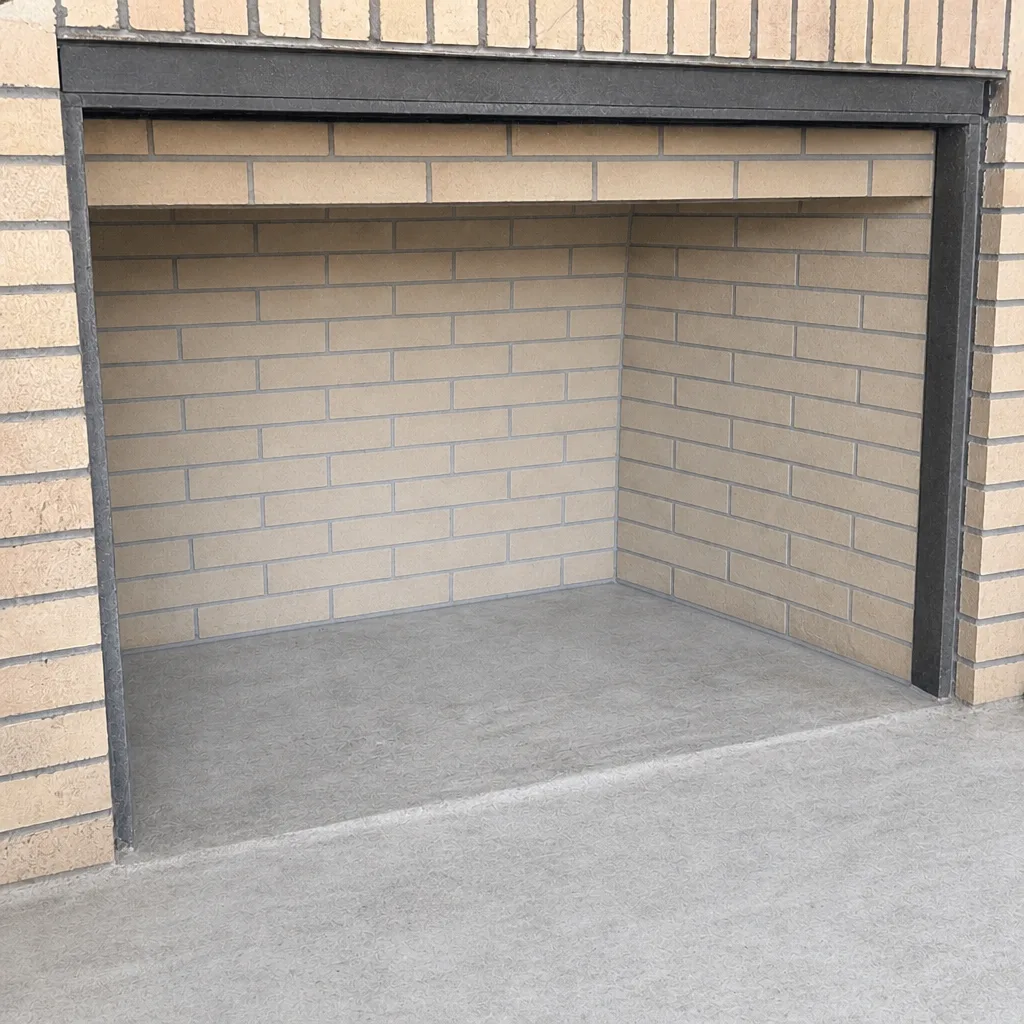
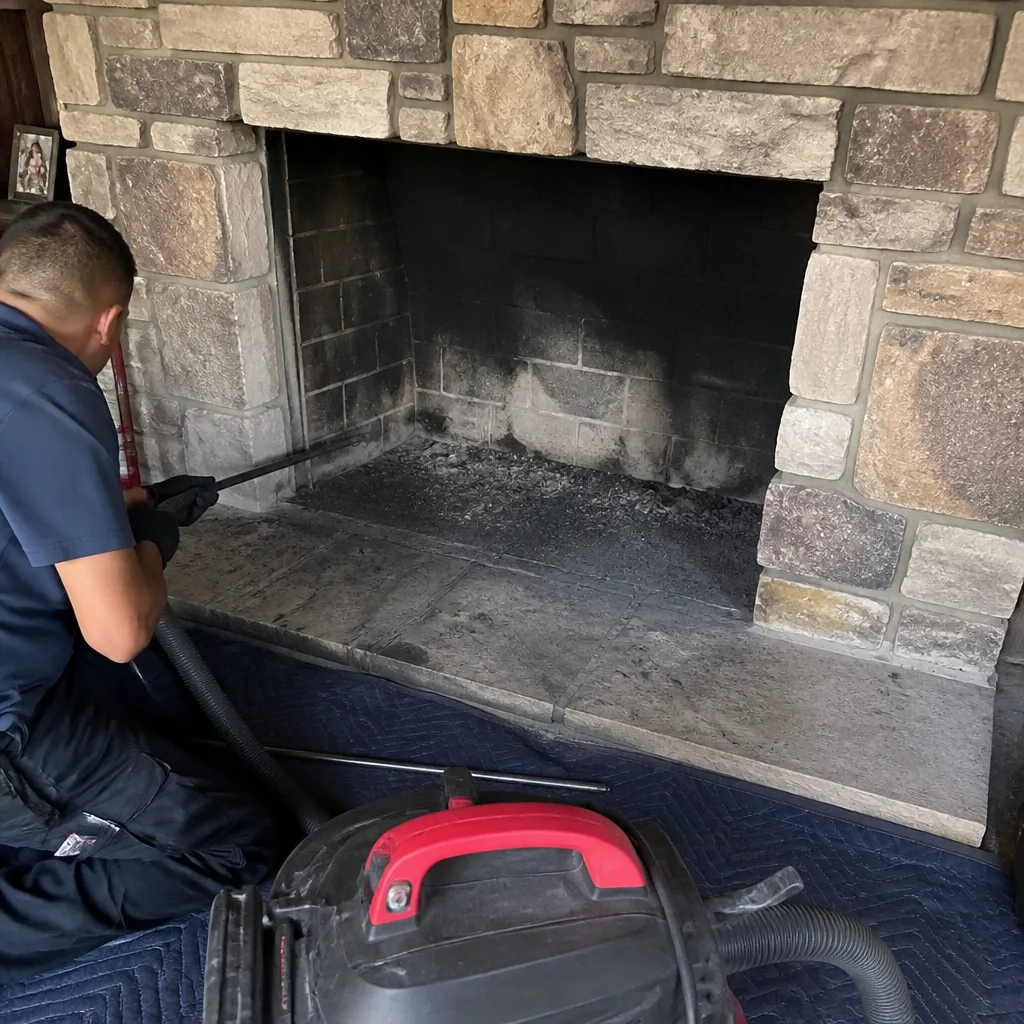
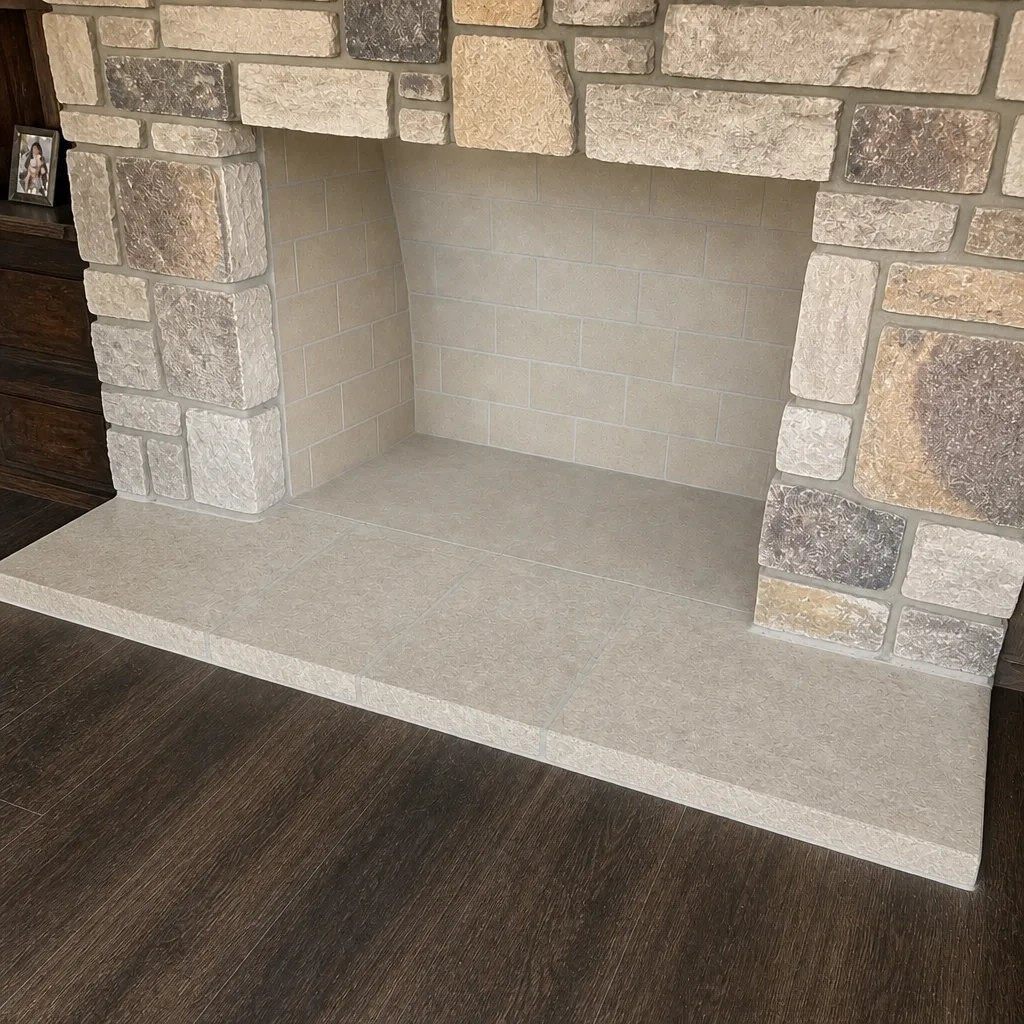
See the difference
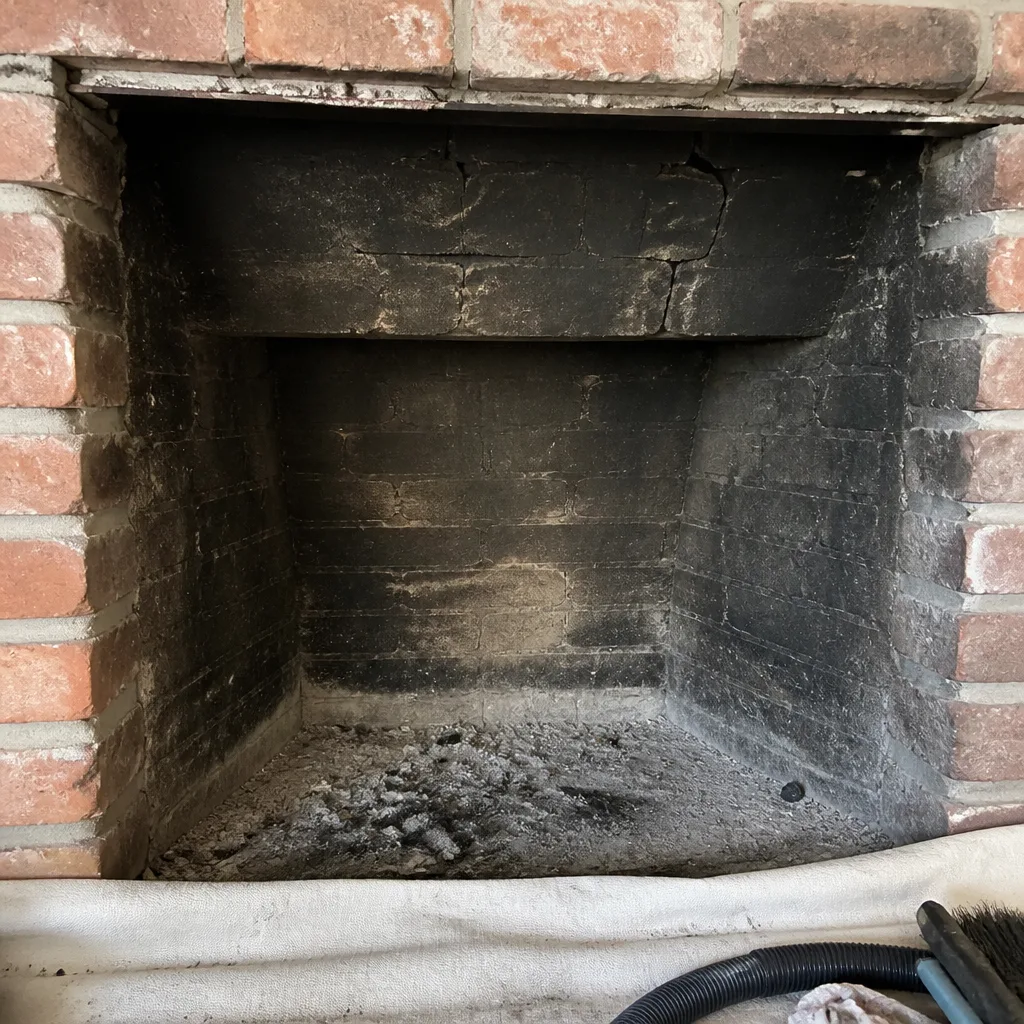 Before
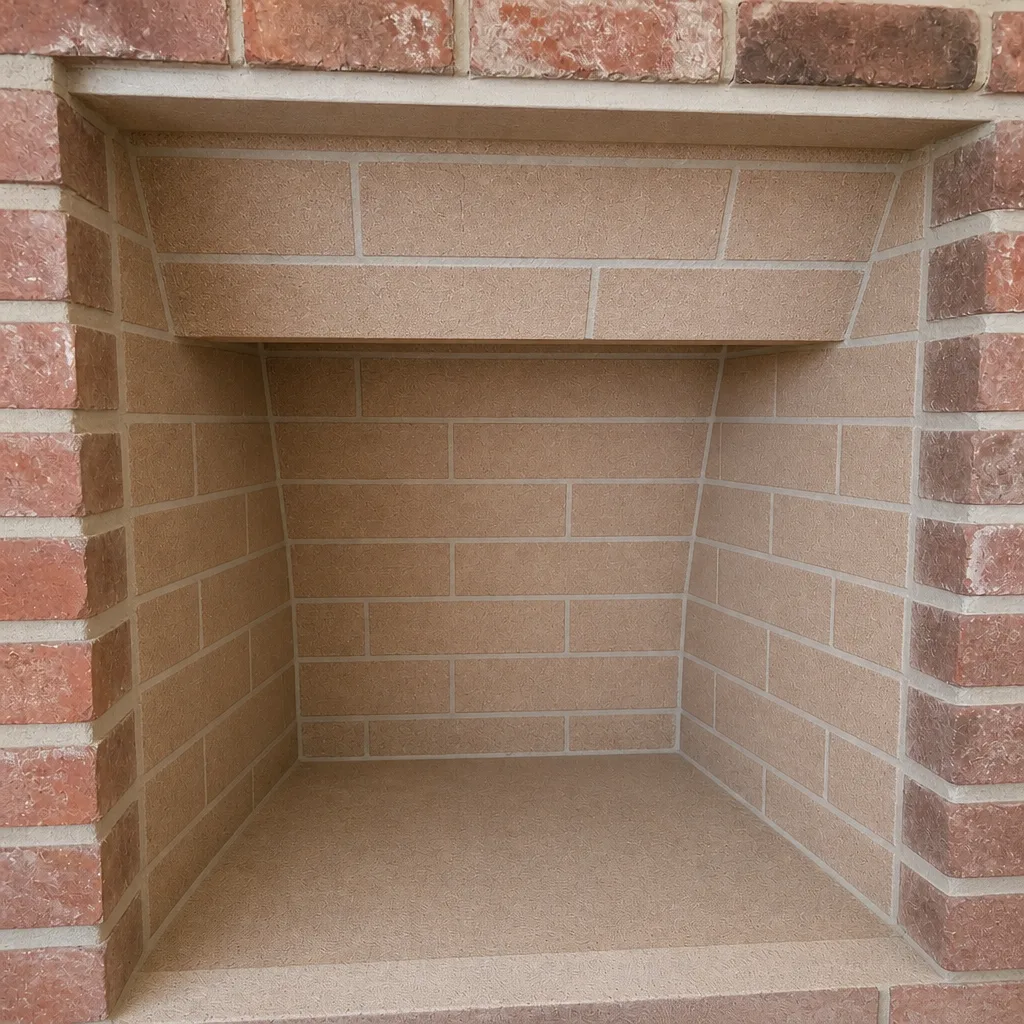 After
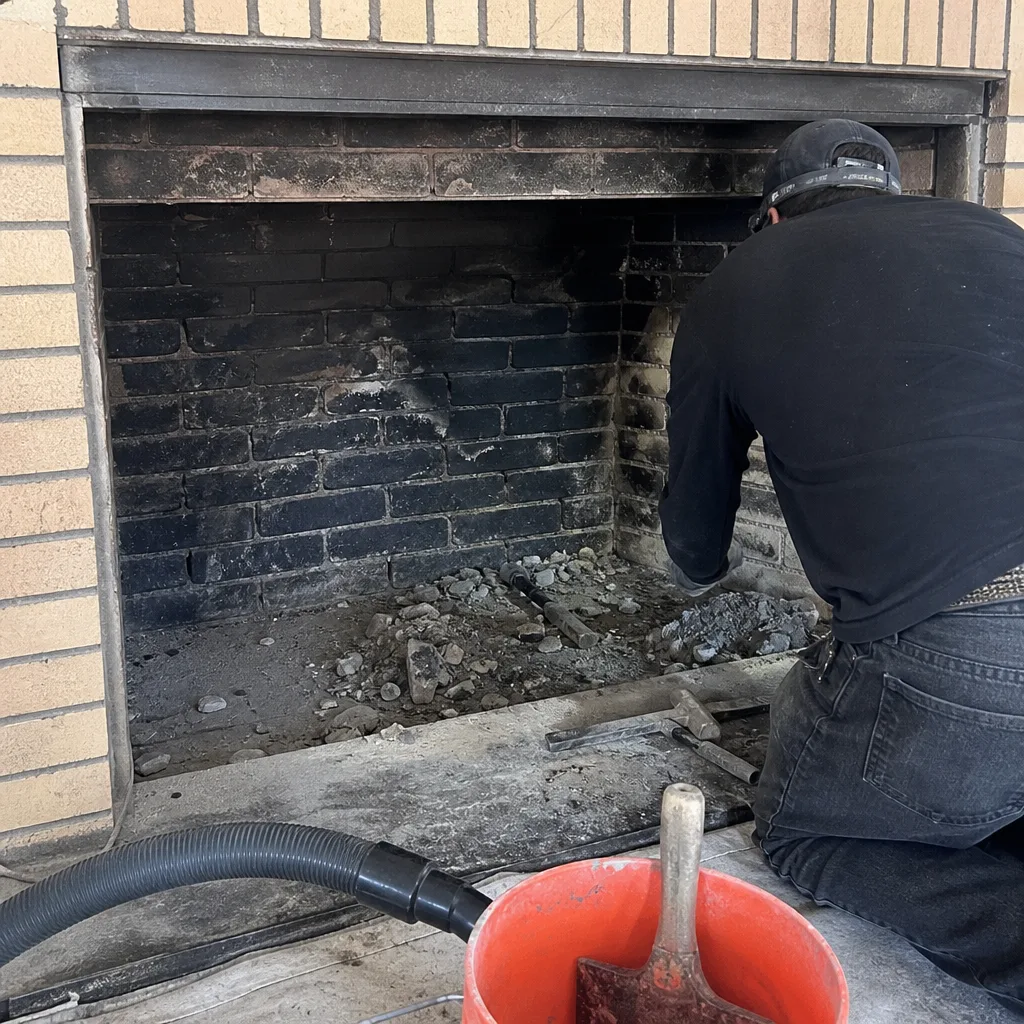 Before
 After
 Before
 After