
Last updated November 4, 2026
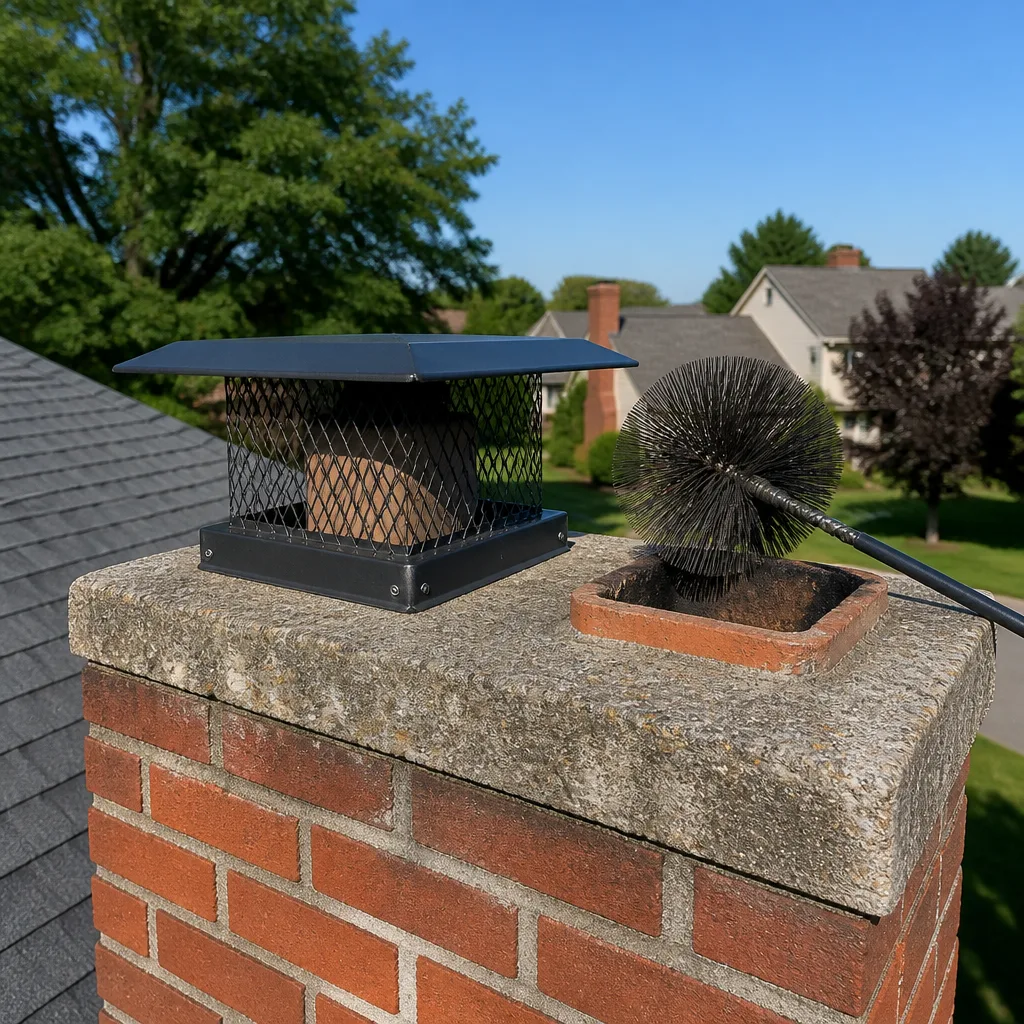 Sweep & inspection
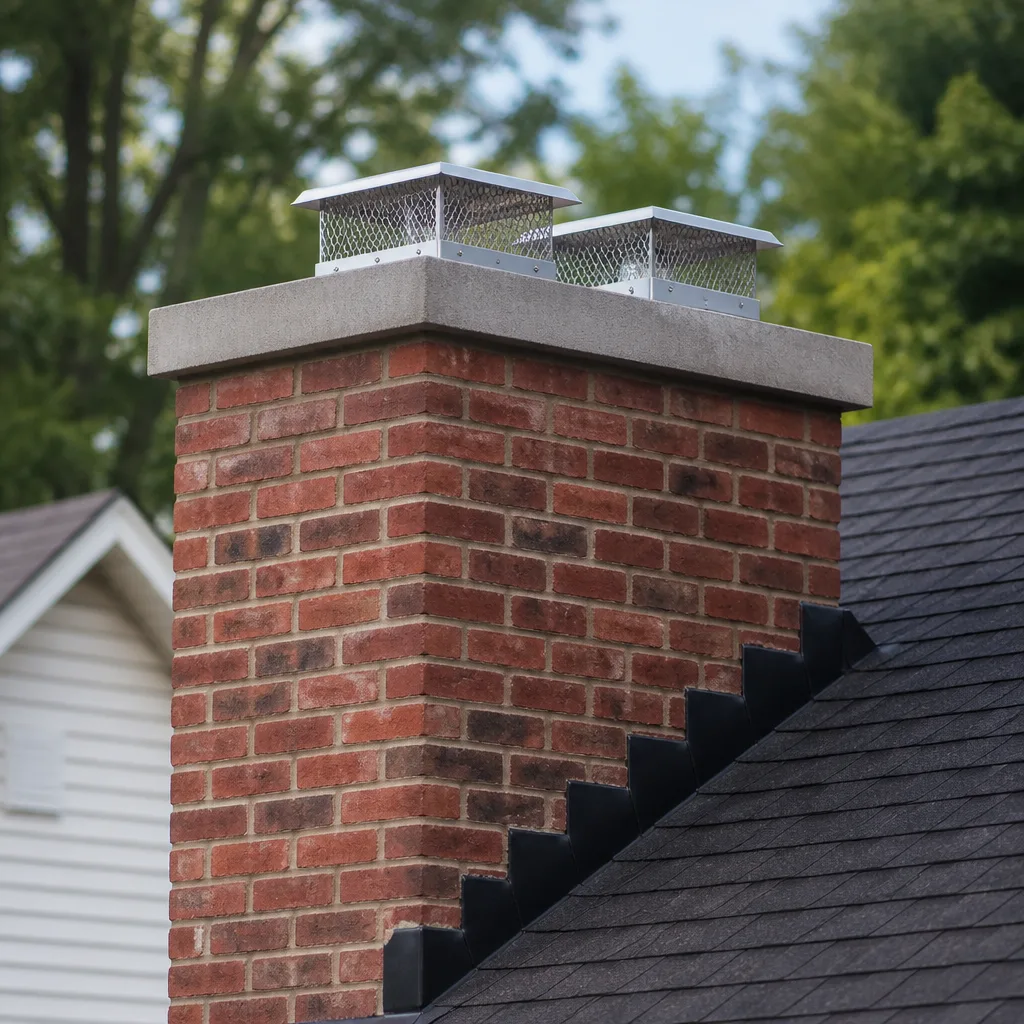 Caps & crowns
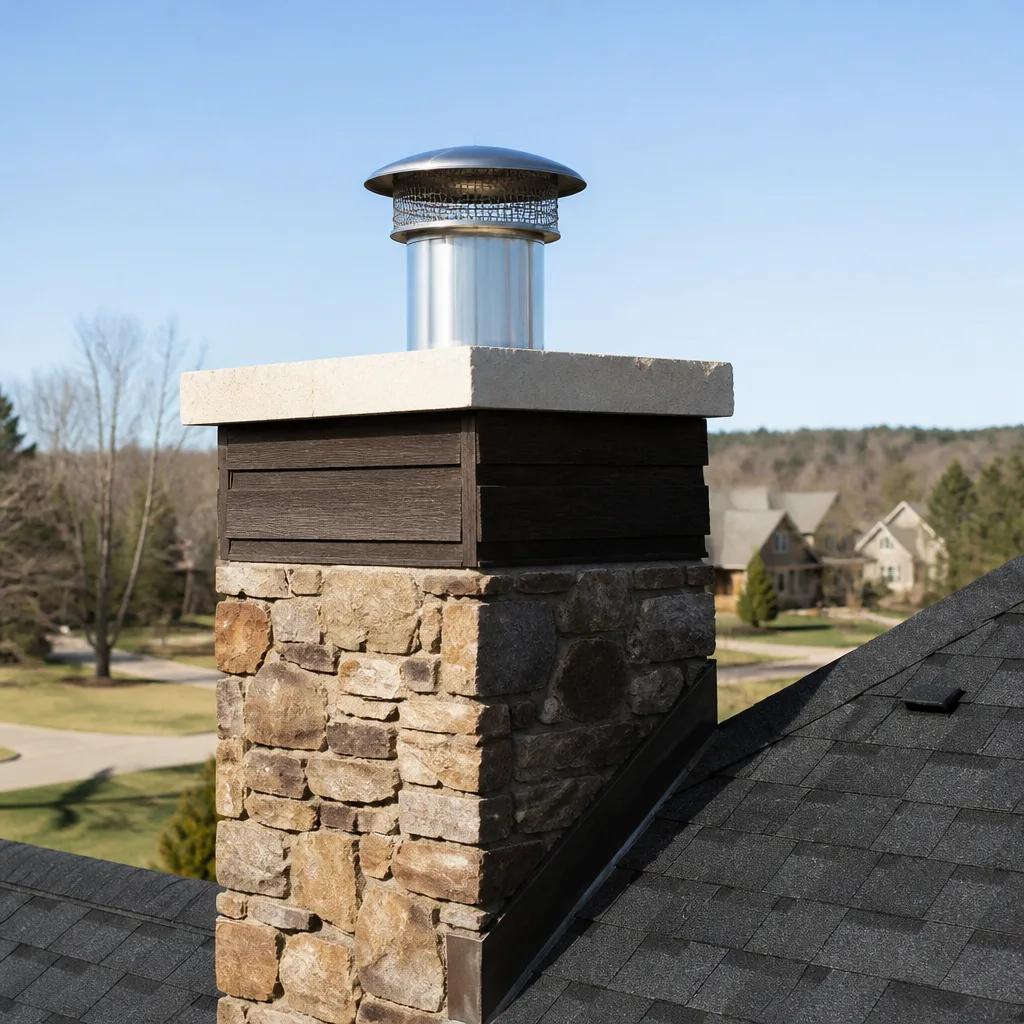 Flue relining
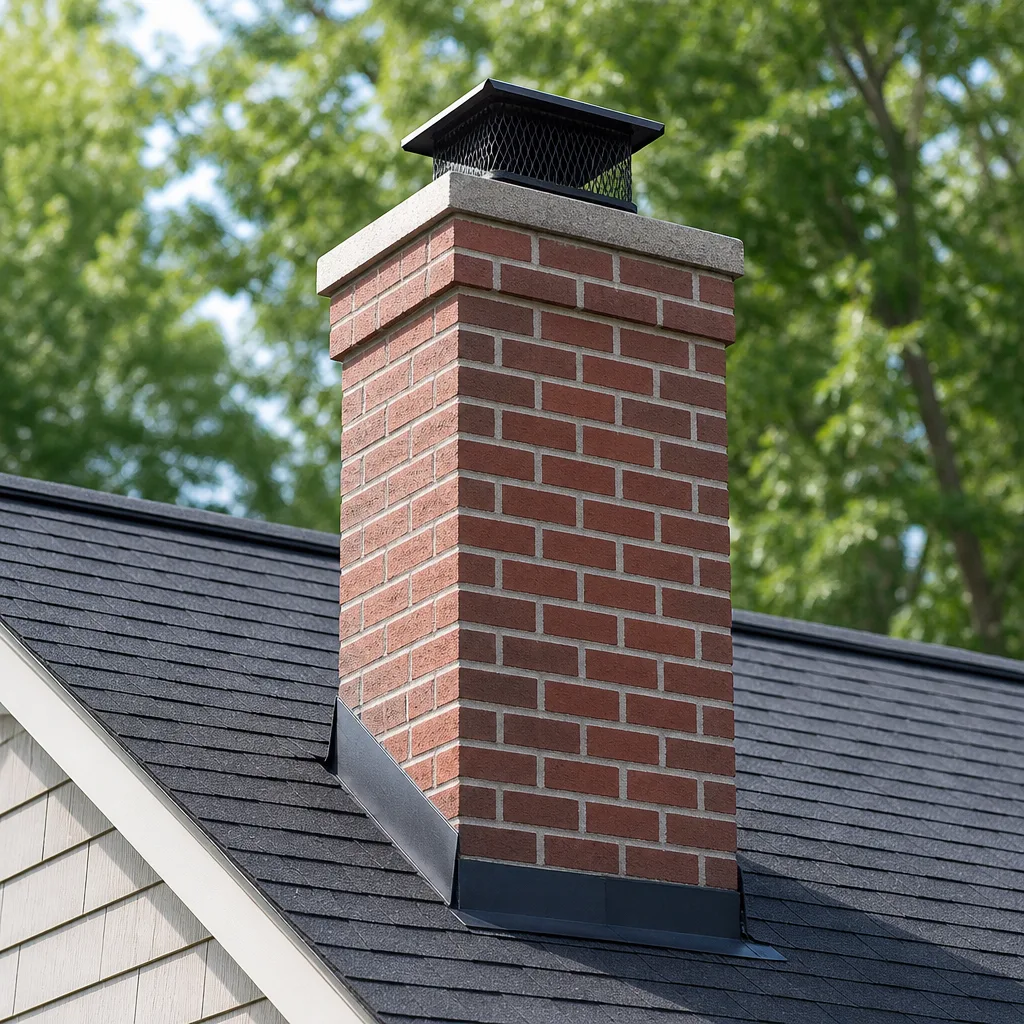 Masonry repair
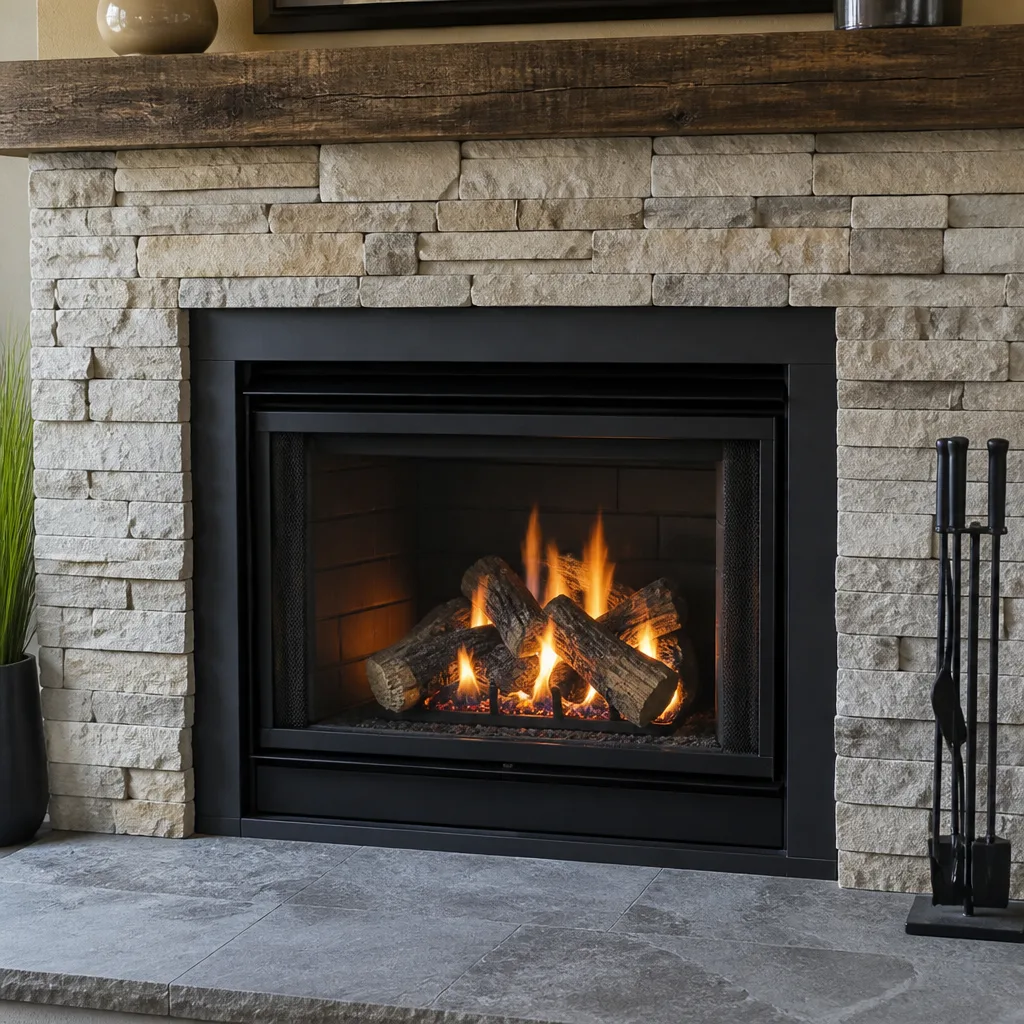 Gas fireplace service
Level 1 sweep and inspection to the NFPA 211 annual standard - flue, crown, cap, and flashing checked and photographed
Chimney sweep logs do not sweep chimneys. They loosen some creosote - which then falls where a brush and vacuum still have to collect it.
The Complete Guide to Chimney Cleaning in Lake Elsinore
Most chimney fires don’t start because a homeowner skipped cleaning. They start because the cleaning addressed the wrong hazard for the wrong chimney in the wrong climate. Lake Elsinore sits in a high-wind corridor where Santa Ana events push debris, ash, and combustion byproducts into flues differently than in coastal or mountain communities. This guide walks through what actually builds up inside a Lake Elsinore chimney, how often it should be removed, what a proper cleaning includes, and when a cleaning should turn into a repair conversation. You’ll learn how local wind patterns, wildfire ash, and hard water from the local supply affect your system in ways a generic sweep might miss.
Quick Answer
Chimney cleaning in Lake Elsinore typically costs between $189 and $349 for a standard sweep with a Level 1 inspection, depending on flue height, accessibility, and buildup severity. Most wood-burning fireplaces here need cleaning every 1 to 2 years, but homes near recent Riverside County burn areas or those used heavily during winter may need more frequent service. The right cleaning is the one that matches your chimney’s liner material and the specific stressors this valley climate creates.
Styles & brands we work with
- Sweep & inspection
- Caps & crowns
- Flue relining
- Masonry repair
- Gas fireplace service
Table of Contents
- What Actually Builds Up in a Lake Elsinore Chimney
- How Often Should a Chimney Be Cleaned in Lake Elsinore?
- Level 1 vs Level 2 Inspections: What They Mean During a Cleaning Visit
- How Santa Ana Winds Change Chimney Cleaning
- Wildfire Ash and Its Effect on Flue Buildup
- Liner Materials in Lake Elsinore Housing Stock and What They Mean for Cleaning
- Hard Water, Mortar Joints, and Why a Cleaning Is the Right Time to Check
- What a Proper Chimney Cleaning Actually Includes
What Actually Builds Up in a Lake Elsinore Chimney
Every chimney collects three things: soot, creosote, and debris. The proportions change depending on what you burn, how you burn it, and the weather outside. In Lake Elsinore, the balance tilts toward creosote and airborne debris more than in many other Southern California communities.
Soot is the fine black powder left behind by incomplete combustion. It’s soft, easy to brush away, and mostly a cosmetic concern in small amounts. Creosote is different. It forms when wood smoke condenses on the cooler walls of the flue, leaving behind a tar-like residue that ranges from flaky to glazed. In its third stage, creosote becomes a hardened, shiny coating that resists brushing and burns like fuel. That’s the substance behind most chimney fires.
What makes Lake Elsinore different is the third category: airborne debris. During Santa Ana events, wind speeds in the valley regularly reach 30 to 50 miles per hour. That pushes leaves, twigs, bird nesting material, and loose granules from roofing materials into uncapped or damaged flues. We’ve opened dampers and found more wind-driven debris than combustion byproduct. The cleaning protocol has to account for that.
Hard water from the local supply also plays a subtle role. Mineral deposits don’t form inside the flue the way creosote does, but they accelerate mortar deterioration on exterior masonry. That issue is covered in its own section below.
How Often Should a Chimney Be Cleaned in Lake Elsinore?
The National Fire Protection Association recommends cleaning when creosote buildup reaches 1/8 inch or more, regardless of time elapsed. For most Lake Elsinore homeowners, that translates to a practical schedule:
- Wood-burning fireplaces used regularly during winter: every 12 to 18 months.
- Wood-burning stoves used as a primary heat source: every 6 to 12 months.
- Gas fireplaces: every 2 to 3 years, primarily to clear dust, spider webs, and minor debris from the flue.
- Fireplaces used occasionally (a few fires per season): every 2 years with an annual visual check.
- Homes within 5 miles of a recent Riverside County wildfire burn area: more frequent checks are worth considering, because ash infiltration accelerates creosote staging even with normal burning habits.
The age and style of your home matter too. Much of Lake Elsinore’s housing stock was built between the 1980s and 2000s. Homes from that era often have terra cotta clay tile liners or early stainless steel liners, both of which hold creosote differently than modern insulated systems. A cleaning schedule that works for a new construction home in Canyon Hills may not fit a 1990s build near the Ortega Highway corridor.
We tell homeowners the same thing every visit: inspect, then advise. The cleaning is the inspection tool. What we find determines what comes next.
Level 1 vs Level 2 Inspections: What They Mean During a Cleaning Visit
A Level 1 inspection is what happens during a standard chimney sweep. The technician checks the readily accessible portions of the chimney: the firebox, damper, flue interior, and exterior termination. No special equipment is used. The goal is to confirm the system is structurally sound and free of dangerous buildup, with the basic clearances intact.
A Level 2 inspection goes further. It’s required by code when a property changes hands, after a chimney fire, after an earthquake or severe weather event, or when the appliance or flue type changes. During a Level 2, the technician uses a camera to inspect the full interior of the flue, including areas that can’t be seen from the rooftop or firebox. The camera shows cracks, gaps between tile sections, deteriorated mortar, and hidden creosote pockets.
Here’s the context that matters in Lake Elsinore: this valley sits close enough to active fault lines that minor seismic activity is part of life. A Level 2 isn’t an upsell after every sweep. It’s a judgment call based on what the brush pulls out, what the exterior shows, and whether the home has experienced any structural stress since the last cleaning. When we see signs of a possible liner crack during a routine sweep, the camera tells us whether it’s a hairline concern or a repair requirement. The video doesn’t lie, and you should see it yourself before agreeing to any repair work.
How Santa Ana Winds Change Chimney Cleaning
Santa Ana winds are a defining feature of this region, and they affect chimneys in two distinct ways. The first is physical: wind-driven debris enters uncapped or poorly capped flues, and high gusts can dislodge chimney caps, loosen mortar, and stress the flashing where the chimney meets the roofline. We’ve found sections of clay tile liner shifted out of alignment after particularly strong wind seasons.
The second effect is pressure. Santa Ana winds create negative pressure zones around homes, particularly on the leeward side. When negative pressure forms at the chimney termination, it pulls air backward down the flue. That reverses the draft and draws smoke, soot, and partially burned combustion gases back into the home. Over time, that backdrafting deposits creosote in places a normal updraft would carry it away from. It also means wind-driven embers and fine ash can enter the flue even when the fireplace isn’t in use.
What this means for cleaning: a Lake Elsinore chimney often has creosote concentrated in the upper third of the flue, near the termination, rather than distributed evenly. A brush protocol that assumes uniform buildup misses what’s actually there. The sweep has to look for clumping near the cap and check whether a high-wind cap is doing its job. Gelco caps are one option we stock because they’re built for high-wind exposure, but the specific cap depends on your flue dimensions and exposure direction.
Wildfire Ash and Its Effect on Flue Buildup
Wildfire ash is not the same as the ash left behind by your own fires. Ash from a wildfire carries fine particulates, partially combusted organic material, and chemical compounds that don’t appear in a standard wood fire. When that ash settles near your home and enters the chimney, it mixes with creosote and changes its composition.
The result is a denser, stickier creosote compound. Regular creosote brushes against the liner and flakes away. Ash-mixed creosote adheres. It also darkens faster, so a flue that would normally show moderate buildup after a season of fires can present as heavily glazed after a wildfire season in Riverside County.
Homes near the Cleveland National Forest boundary or in the Wildomar and Lakeland Village areas have experienced this after recent fire events. The practical advice is simple: if a significant wildfire burned within several miles of your home, schedule a visual check before your next burning season, even if you’re not due for a full cleaning. The brush protocol may need adjustment, and glazed creosote sometimes requires chemical treatment or rotary cleaning rather than standard brushing.
Liner Materials in Lake Elsinore Housing Stock and What They Mean for Cleaning
The majority of Lake Elsinore homes were built between the 1980s and 2000s, and that era dictates the liner materials we see most often. Understanding your liner type matters because each material responds to cleaning differently.
Clay tile liners are the most common in homes from the 1980s and early 1990s. They’re durable and fire-resistant, but the mortar joints between tile sections deteriorate over time. Hard water and heat expansion accelerate that process. When a brush passes over a compromised joint, it can catch or dislodge loose material. A standard cleaning on a clay tile liner must be done at a pace and pressure that doesn’t damage aging joints.
Stainless steel liners appear more often in homes from the late 1990s and 2000s, and in any home where a fireplace or stove was added after original construction. Stainless liners are smoother than clay, so creosote doesn’t grip as aggressively, but they still need regular cleaning. Poly brushes are the right tool here; wire brushes can scratch the interior surface and create future adhesion points.
Unlined masonry chimneys exist in older Lake Elsinore homes, generally pre-1980 construction. An unlined flue is a fire hazard and a code violation in most applications. When we encounter one, the cleaning becomes a diagnostic visit: we document what’s there and explain what a DuraFlex liner installation would involve. That’s a repair conversation, not a scare tactic, but it’s one you need to have.
Hard Water, Mortar Joints, and Why a Cleaning Is the Right Time to Check
Lake Elsinore’s water supply is classified as hard, which means it carries elevated mineral content. That doesn’t matter inside the flue, but it matters a great deal on the exterior masonry. When rainwater and sprinkler overspray soak into brick and mortar, hard water deposits leave behind minerals that expand and contract with temperature changes. Over time, those deposits widen micro-cracks and loosen mortar joints.
Loose mortar joints let water penetrate deeper into the chimney structure. Water plus heat equals spalling, which is the slow flaking away of brick faces. A chimney that reaches the spalling stage needs masonry repair, not just repointing.
A chimney cleaning is the right time to catch this early because the technician is already on the roof, already looking at the cap and crown, and already able to run a hand along the mortar lines. Catching joint failure early means repointing a few courses. Catching it late means rebuilding sections of the stack. For homeowners who want to avoid a full chimney rebuild, early joint repair is the single most cost-effective step.
HeatShield ceramic resurfacing is relevant here on the interior side. When deteriorated mortar joints extend inside the flue, the standard fix used to be a full liner replacement or chimney rebuild. HeatShield lets us restore the flue interior by applying a ceramic coating that seals cracks and consolidates compromised joints without tearing out the existing structure. It’s a restore-before-you-replace option that a surprising number of homeowners don’t know exists.
What a Proper Chimney Cleaning Actually Includes
A proper chimney cleaning in Lake Elsinore follows a defined sequence. Here’s what a typical sweep looks like when it’s done correctly:
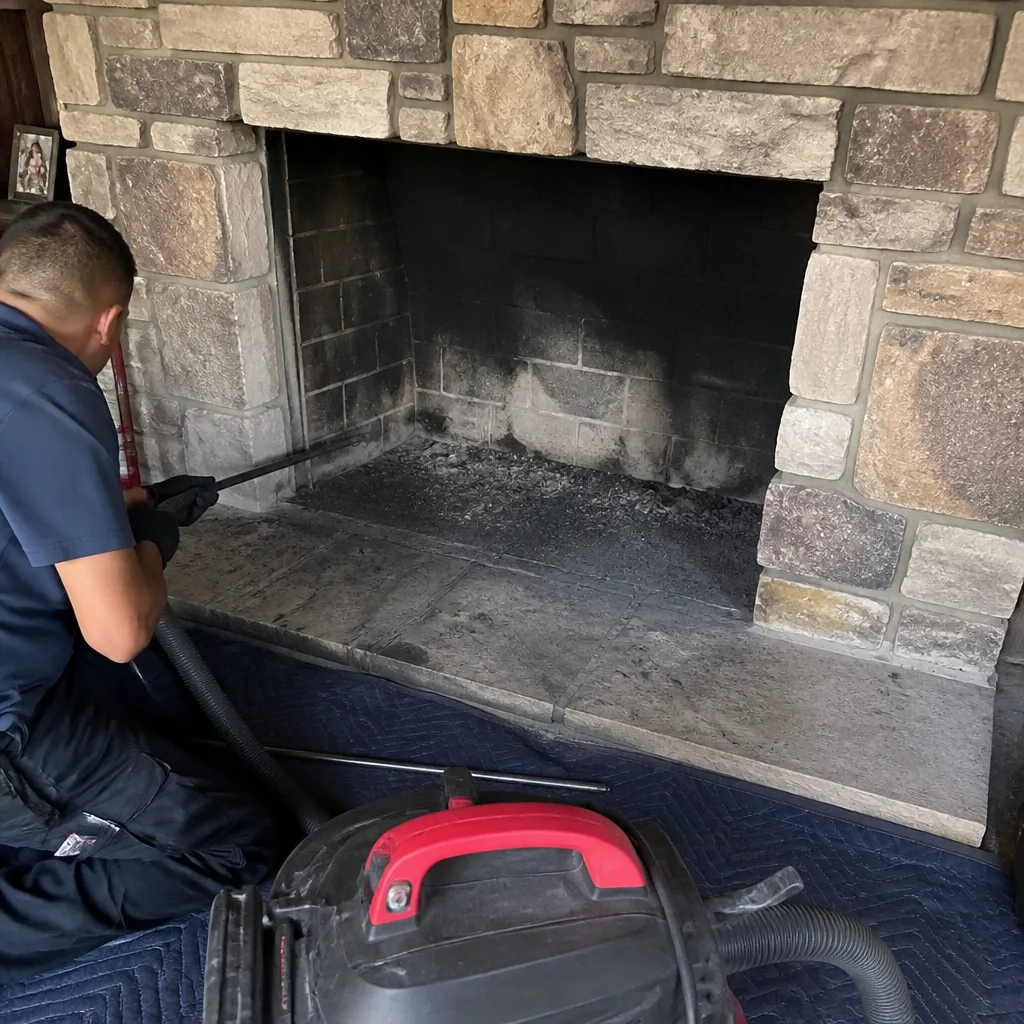
- Setup and floor protection. Drop cloths around the hearth and furniture near the fireplace. A vacuum with HEPA filtration runs during the entire process to control dust.
- Interior inspection. The technician checks the firebox, damper operation, and smoke shelf area before brushing begins. This establishes a baseline.
- Brushing from the flue top. The brush descends from the chimney termination downward, matched to your liner material. Clay tile gets a wire brush at controlled pressure. Stainless steel gets a poly brush.
- Creosote assessment during brushing. What falls out tells us a lot. Flaky creosote is stage one. Tar-like clumps are stage two. If glazed deposits resist brushing, we adjust the approach and discuss options with you.
- Vacuuming the firebox and smoke shelf. The smoke shelf is the ledge behind the damper that catches debris. It’s easy to miss and a common source of chimney odors.
- Wind cap and termination check. The cap is cleared of debris and inspected for damage. High-wind caps in Lake Elsinore take a beating during Santa Ana season, and a damaged cap needs replacement before the next wind event.
- Final camera check on request. If anything looked unusual during the sweep, we run the camera and show you what we saw. No repair recommendation without visual evidence.
This sequence takes about 60 to 90 minutes for a standard single-story chimney. Two-story homes, steep roof pitches, and difficult access points add time.
Common Mistakes to Avoid
- Skipping the cap check. Lake Elsinore’s wind season will find any gap in a chimney cap. A missing or damaged cap means debris, birds, and wind-driven ash enter the flue within weeks.
- Burning unseasoned wood. Wet or green wood produces far more creosote than seasoned hardwood. In this valley, seasoned wood can be harder to keep dry through the damp winter months, so proper storage matters.
- Assuming a gas fireplace needs no maintenance. Gas flues collect dust, insect debris, and minor corrosion. They also need the burner and venting checked for proper clearance. A gas fireplace should still see a technician every 2 to 3 years.
- Ignoring backdrafting smells. If you smell smoke in the house during Santa Ana wind events, that’s negative pressure pushing flue gases backward. It’s a repair issue, not something to live with.
- Putting off joint repair because “it’s just cosmetic.” Loose mortar joints in Lake Elsinore’s hard water environment don’t heal. They widen. The repair cost grows with every rainy season.
- Using hardware-store cleaning logs as a substitute for a sweep. Chemical cleaning logs loosen some creosote, but they don’t remove it and they don’t inspect the system. They’re a supplement, not a replacement.
- Waiting for the smell of smoke to remind you. By the time a chimney smells like last winter’s fires, creosote has already accumulated past the point where a light cleaning will fix it.
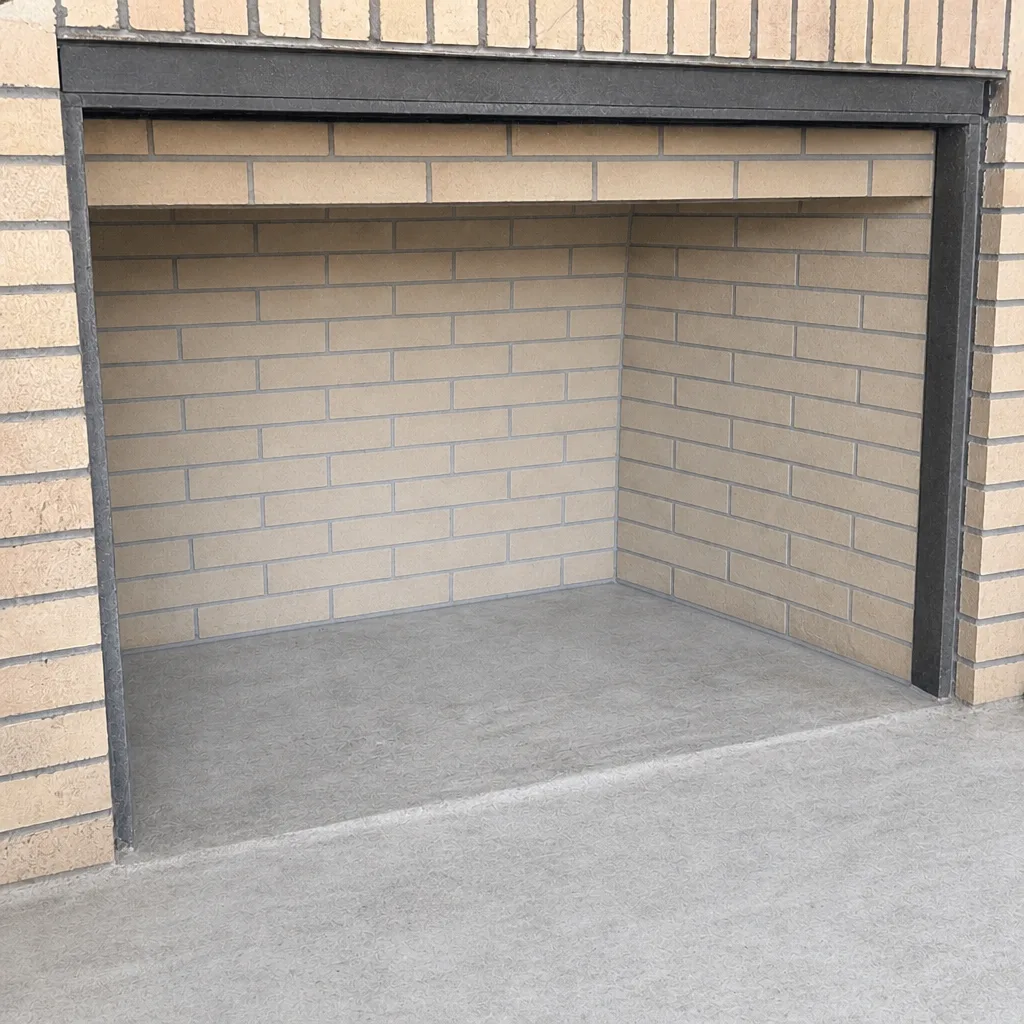
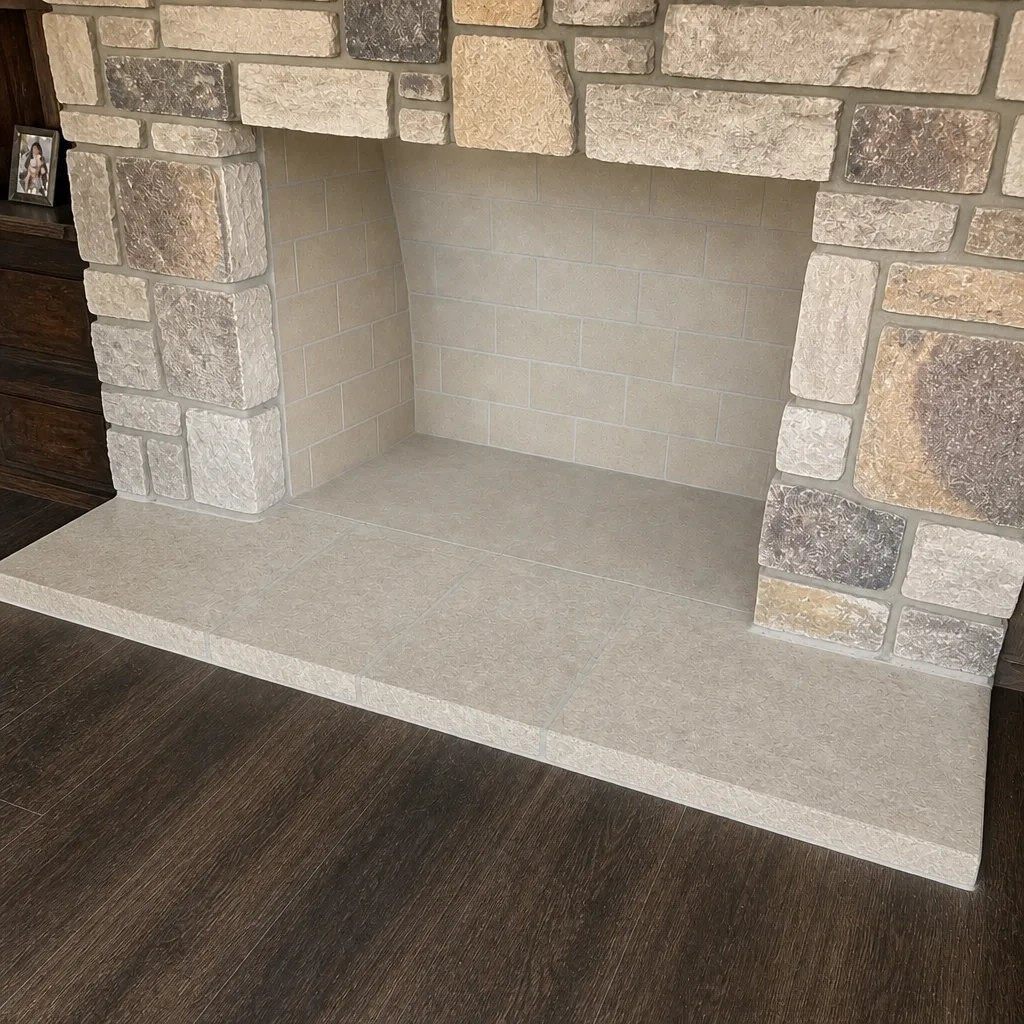
See the difference
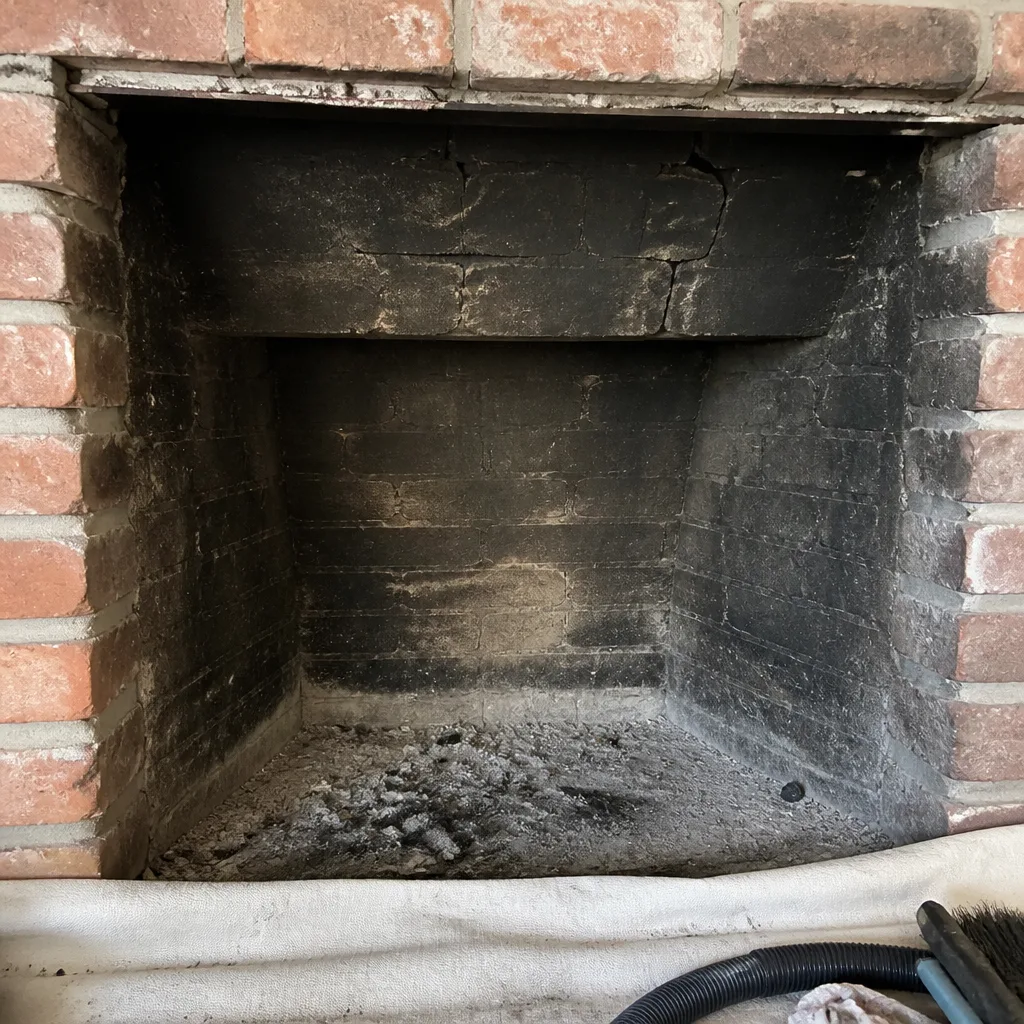 Before
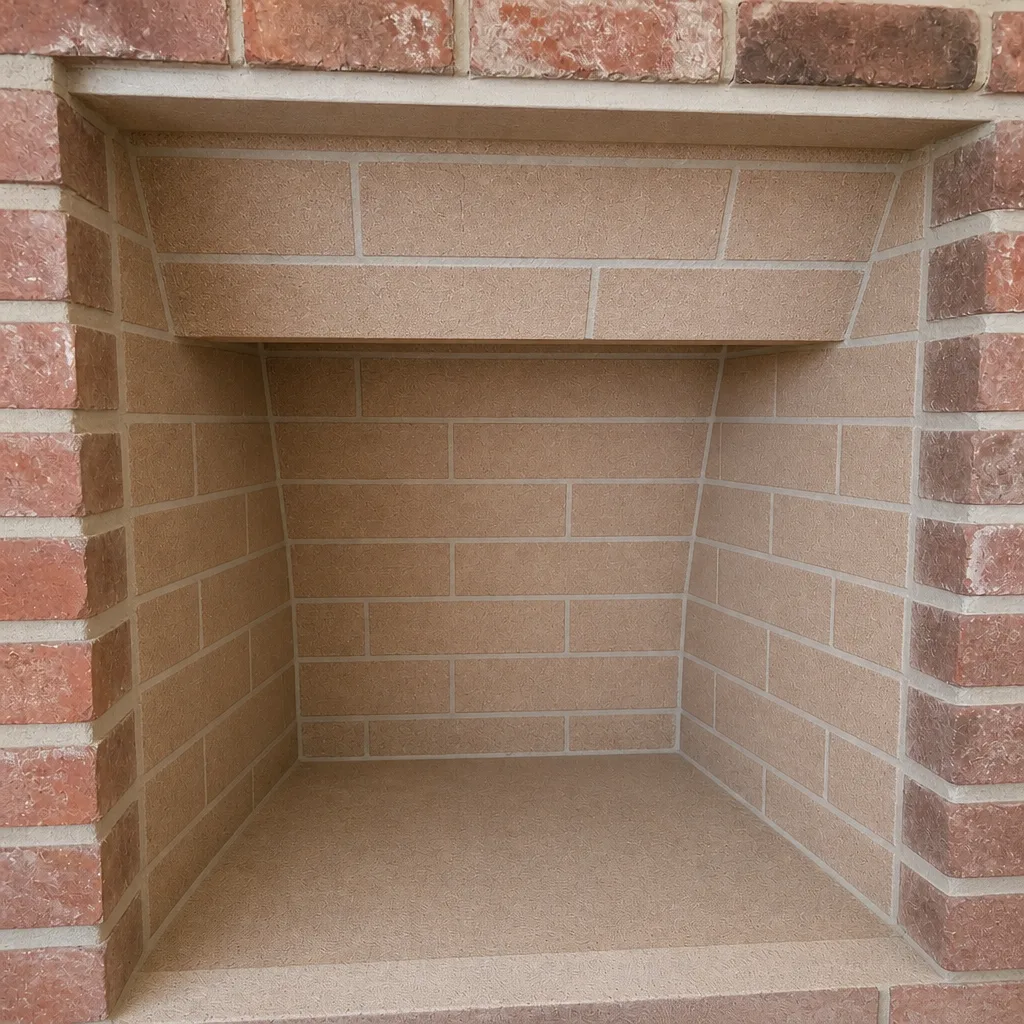 After
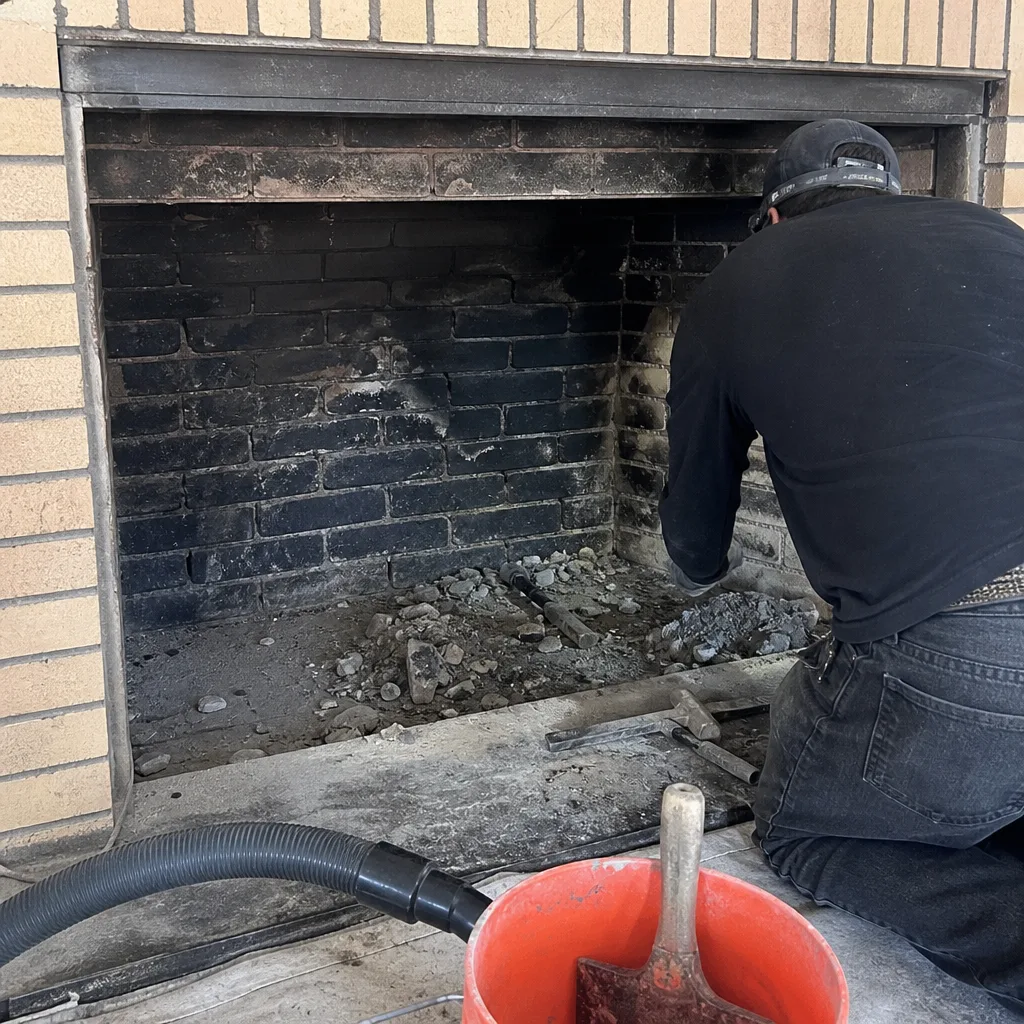 Before
 After
 Before
 After
When to Call a Professional
Call a professional if you notice any of these: smoke entering the room during normal fireplace use, a strong creosote odor when the fireplace is cold, flaking mortar on the hearth or exterior chimney, visible soot stains near the ceiling or walls around the chimney, or water stains on the ceiling near the chimney chase. If you’ve experienced a chimney fire, even a small one, stop using the fireplace until a camera inspection confirms the liner is intact. If you bought your home and have no record of the last cleaning, that’s a call worth making before your first fire. Chimney Sweep Lake Elsinore offers free estimates for chimney cleanings in Lake Elsinore and the surrounding valley communities. Call (833) 589-9415. We answer 24/7. Fast dispatch from 7am to 7pm, Sunday through Friday.
Frequently Asked Questions
A standard chimney sweep in Lake Elsinore typically costs between $189 and $349, with the final price set by flue height, roof access, and the amount of buildup present. The written estimate you receive before work begins is the price you pay. Call (833) 589-9415 for an exact quote, and the estimate is free.
Not always. A cracked clay tile liner or a deteriorated mortar joint may be repairable with HeatShield ceramic resurfacing, which restores the flue interior without a full rebuild. A stainless steel liner installation with DuraFlex is the right call when the existing liner is too far gone to resurface safely. Ask to see the camera footage before approving any liner work, and get a written explanation of why the liner has failed. Call (833) 589-9415 if you want a second opinion on a liner recommendation.
Most wood-burning fireplaces in Lake Elsinore need sweeping every 12 to 18 months. Homes used heavily during winter, homes near recent wildfire burn areas, and wood stoves used as primary heat may need service every 6 to 12 months. Gas fireplaces typically need attention every 2 to 3 years. The NFPA standard is based on creosote thickness, not time, so the best answer comes from an inspection.
Creosote continues to accumulate, and once it reaches glazed stage three, it becomes fuel for a chimney fire that can reach temperatures high enough to crack liners and ignite surrounding framing. Even without a fire, heavy creosote restricts draft, pushes smoke into the home, and accelerates liner deterioration. In Lake Elsinore’s wind conditions, the added debris load makes a blocked flue more likely than in sheltered areas. A blocked flue pushes carbon monoxide into the living space. That’s the risk that doesn’t show up as visible damage.
We can clean it, but the cap needs replacement before the next high-wind event. A damaged or missing cap lets wind-driven debris and ash back into the flue, undoing the cleaning within weeks. We stock Gelco caps and Famco venting components so that cap replacement can happen on the same visit as the sweep. Call (833) 589-9415 to schedule both at once.
Does dryer vent cleaning have anything to do with chimney cleaning?
They’re separate systems, but they share the same fire-prevention logic. Lint buildup in a dryer vent is a leading cause of home fires, and the NFPA names dryer vents among the top residential fire sources. Because we handle both chimney and dryer vent service, one call covers the two fire-hazard exhaust systems in your home. Many Lake Elsinore homeowners schedule both on the same visit to save a second trip.
The Bottom Line
Chimney cleaning in Lake Elsinore is a climate-specific service. Santa Ana winds load flues with debris and create backdraft conditions. Wildfire ash changes how creosote forms and sticks. Hard water accelerates mortar joint failure. Homes built in the 1980s through 2000s carry liner materials that demand specific brush protocols and inspection standards. A proper cleaning is a diagnostic service, not just soot removal. It catches joint failure before spalling, identifies glazed creosote before a chimney fire, and confirms your cap will survive the next wind season. The right technician shows you what they find and explains what can wait and what can’t. That’s the difference between a clean chimney and a safe one.
Written by the team at Chimney Sweep Lake Elsinore, serving Lake Elsinore since 2013.