
Last updated November 4, 2026
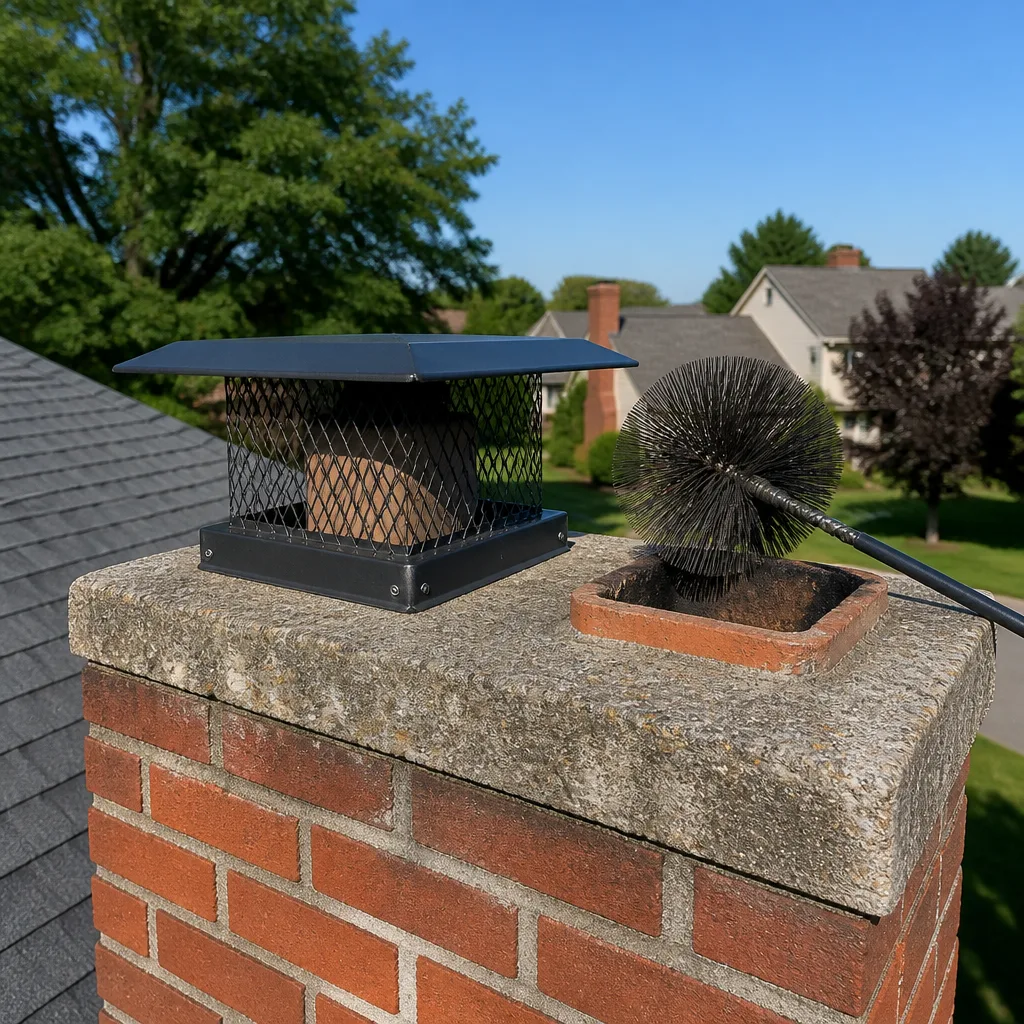 Sweep & inspection
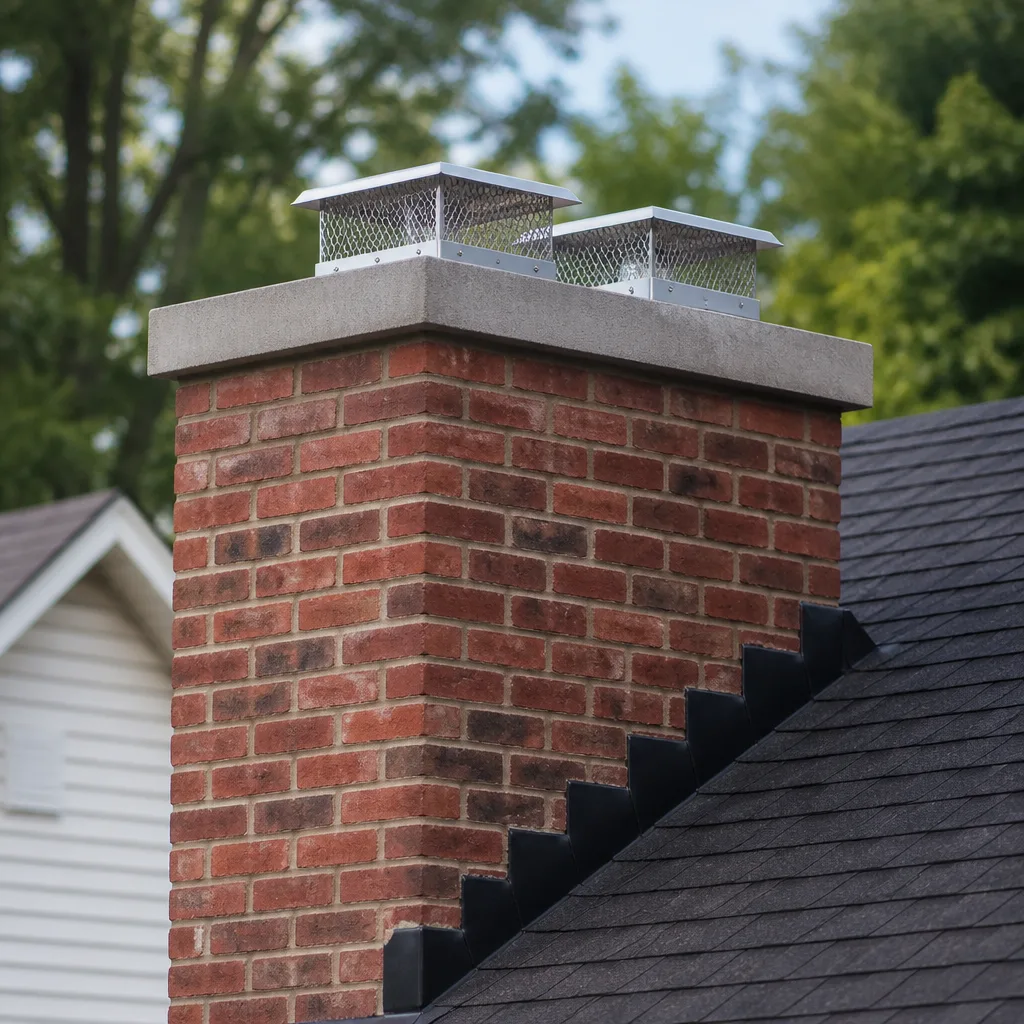 Caps & crowns
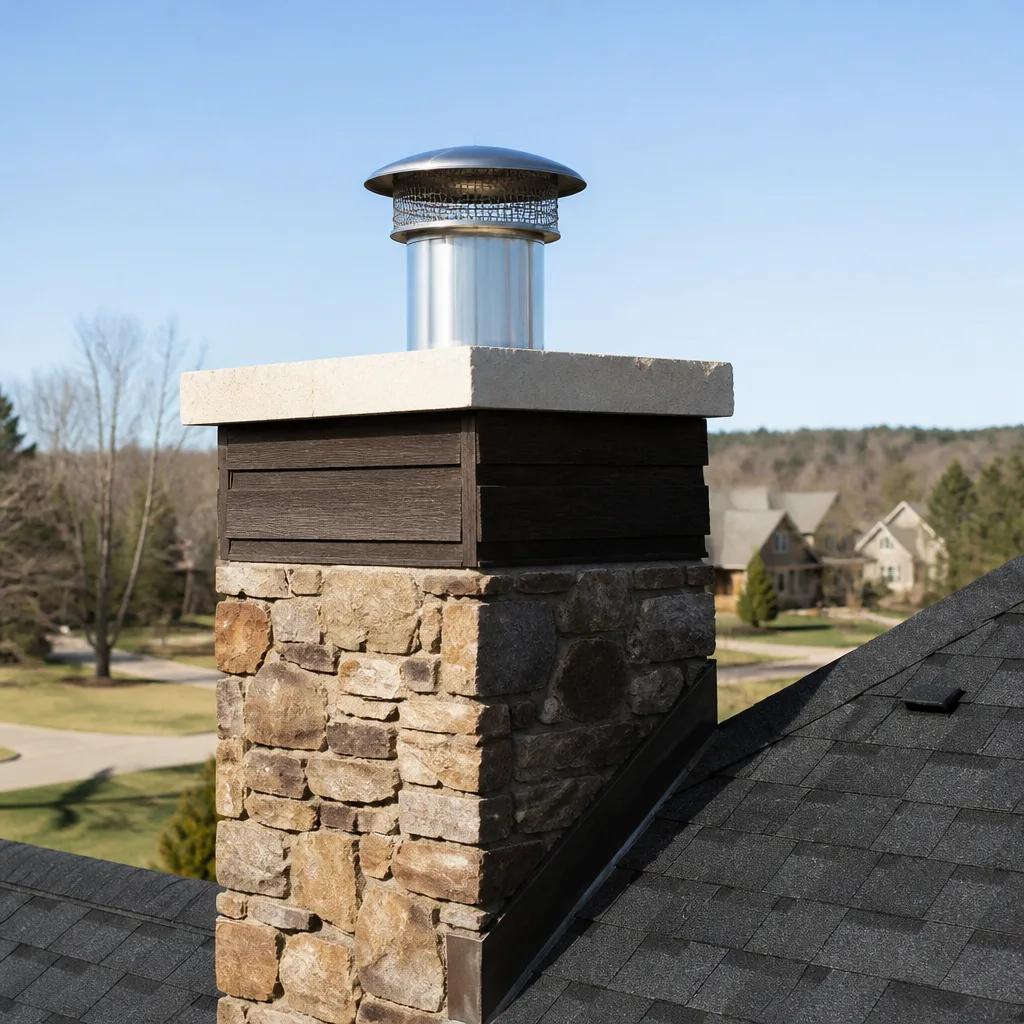 Flue relining
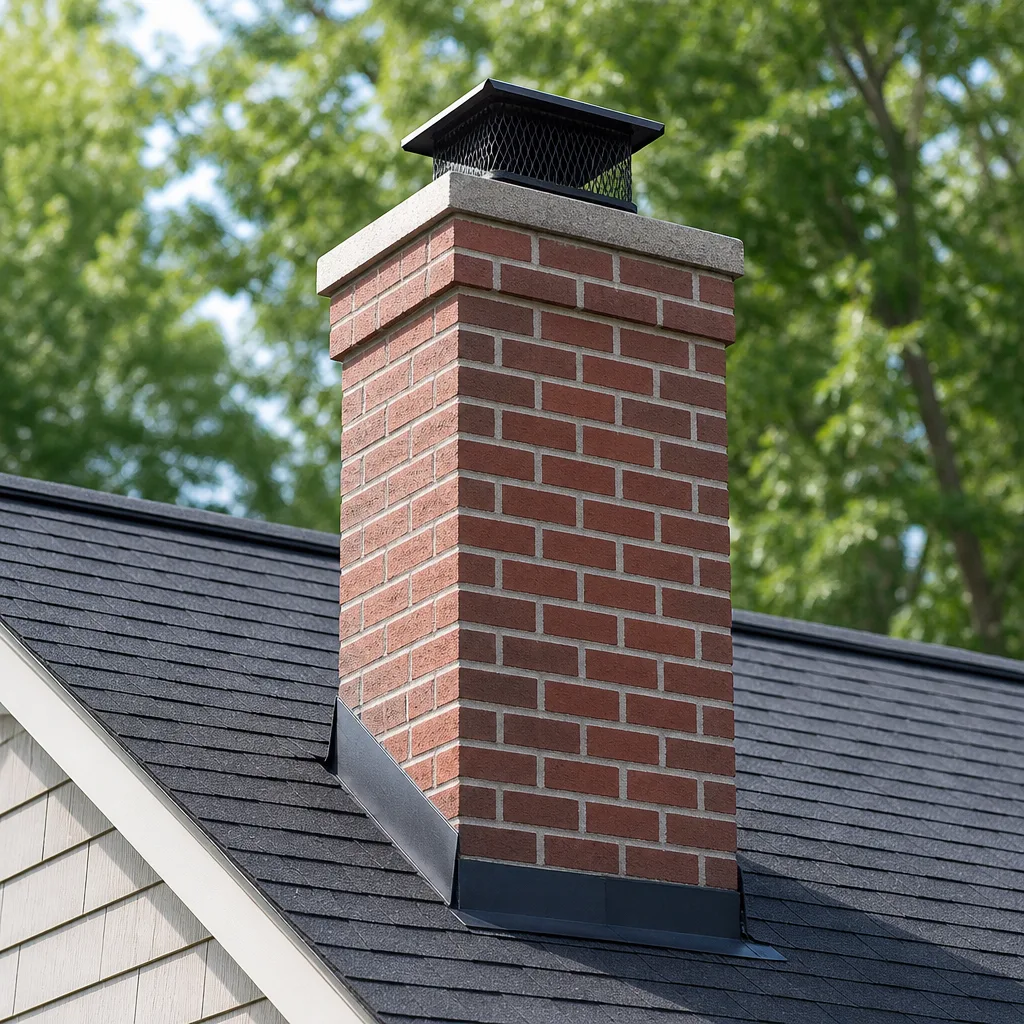 Masonry repair
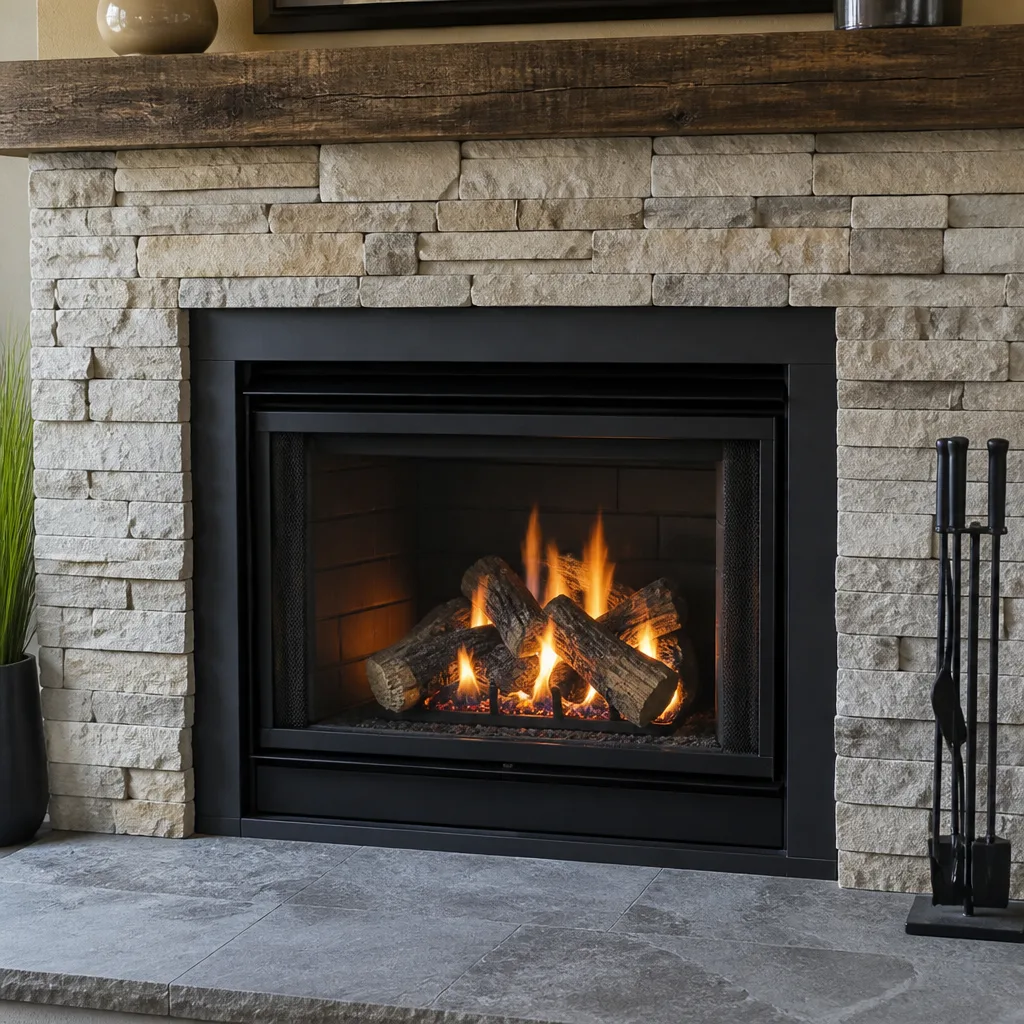 Gas fireplace service
Level 1 sweep and inspection to the NFPA 211 annual standard - flue, crown, cap, and flashing checked and photographed
Chimney sweep logs do not sweep chimneys. They loosen some creosote - which then falls where a brush and vacuum still have to collect it.
Seasonal Chimney Cleaning Care for Lake Elsinore: Year-Round Homeowner’s Guide
Most chimney maintenance calendars were written for places with real winters. Lake Elsinore doesn’t have those. We have a fire season that coats flues with ash, a Santa Ana season that batters caps and dampers, and a heating season short enough that creosote builds differently than it does in colder climates. If you’re following a generic “sweep every fall” schedule, you’re probably missing the actual risk windows. This guide lays out what happens to your chimney month by month in Lake Elsinore, when to inspect, when to clean, and when to leave it alone.
Quick Answer
In Lake Elsinore, the most important chimney inspection window is August, before wildfire ash and debris settle into your flue and before the brief heating season begins. A second check belongs in late spring, after the Santa Ana winds have finished testing your cap, spark arrestor, and damper seals. Schedule a chimney sweep at least once per year, and more often if you burn wood regularly or live near open land that sees seasonal fires.
Styles & brands we work with
- Sweep & inspection
- Caps & crowns
- Flue relining
- Masonry repair
- Gas fireplace service
Table of Contents
- The August Window: Why Lake Elsinore’s Inspection Season Starts Before Fall
- Santa Ana Wind Events: What They Do to Caps, Spark Arrestors, and Dampers
- The Short Heating Season: How Creosote Builds Differently Here
- Post-Heating-Season Tasks for April and May
- Dormant Flues and Off-Season Moisture Intrusion
- Summer Maintenance for Outdoor Fireplaces and Fire Pits
- The Dryer Vent Connection: Two Fire Hazards, One Schedule
- Common Mistakes to Avoid
- When to Call a Professional
- Frequently Asked Questions
The August Window: Why Lake Elsinore’s Inspection Season Starts Before Fall
October has become the default “chimney month” in most of the country, but Lake Elsinore’s climate doesn’t cooperate with that calendar. By the time October arrives here, the region has usually been through at least two months of wildfire season. Ash, dust, and fine particulate matter don’t need a fire in your fireplace to find their way into your flue. They come down through the cap, settle on the smoke shelf, and coat the flue walls. If you wait until October to look, you’re scheduling an inspection after the contamination window has already passed.
August is the right month in Lake Elsinore for a few specific reasons:
- Fire season is usually active by then. Wildfire ash and debris infiltration peaks during the driest stretch of the year, which typically runs from late summer into early fall. The longer that material sits in your flue, the more it bonds with existing creosote and the harder it becomes to remove.
- You’re not burning yet. An August inspection catches problems before the first fire of the season. Once you start burning, you’re adding heat and combustion byproducts to whatever is already in there. A flue that was merely dirty in August can become a fire hazard by December.
- Repair scheduling is easier. The heating season in Lake Elsinore is short, and every week of it counts. If your August inspection turns up a cracked flue tile or a failed damper, you have weeks to schedule repairs without losing any fireplace time.
We’ve seen flues that looked fine in the spring turn significantly degraded by late summer, purely because of what drifted down through the cap during fire season. That’s why we recommend making August your anchor point for the year. Think of it as the start of your chimney maintenance calendar, not a chore to check off in the fall.
Santa Ana Wind Events: What They Do to Caps, Spark Arrestors, and Dampers
Santa Ana winds are a fact of life in Lake Elsinore and the surrounding inland valleys. They arrive dry and fast, usually between September and March, and they carry grit that acts like sandpaper on exposed chimney components. The wind itself can loosen fasteners, unseat caps, and warp spark arrestor mesh. The grit accelerates wear on seals and joints. A chimney cap that was secure in August may be tilted or gone by late November.
What gets damaged in a major wind event:
- Chimney caps. Standard caps are held in place with set screws or friction fit. Sustained high wind can work those connections loose. A cap that shifts even half an inch exposes the flue to direct rainfall and gives birds and rodents an entry point.
- Spark arrestors. The mesh screen on a spark arrestor is thin. Wind-driven debris can tear it, and torn mesh no longer contains embers. In a region with wildfire risk, that’s not a cosmetic problem.
- Damper seals. Top-mount dampers with rubber gaskets dry out and crack over time. Santa Ana winds accelerate the drying. A failed seal lets conditioned air escape during heating season and lets moisture in during the off-season.
- Flashing. The metal where the chimney meets the roof takes the brunt of wind-driven rain. Lifted or separated flashing is one of the most common wind-related issues we see, and it usually goes unnoticed until water stains appear on the ceiling.
After a significant wind episode, do a visual check from the ground. Look for a cap that’s crooked or missing, and check inside the firebox for debris that blew down the flue. If you have a metal chimney rather than masonry, listen for anything rattling. That can indicate a loose brace or connector. When in doubt, have it inspected. A small cap repair now costs less than a flue rebuild later.
The Short Heating Season: How Creosote Builds Differently Here
In colder climates, creosote accumulates the way most homeowners expect: fast, heavy buildup from daily winter burning. Lake Elsinore is different. Our heating season is short, usually running from November through February, and many homes use the fireplace intermittently rather than as a primary heat source. That changes the chemistry of what builds up inside the flue.
Short, occasional burns produce a different creosote profile than long, hot daily fires. When a fire burns for only an hour or two, the flue never reaches the sustained temperature needed to burn off the early-stage creosote that forms during the first minutes of combustion. The result is a thinner but stickier layer that bonds to the flue wall. The next fire reheats that layer, which causes it to harden. Over the course of a season, repeated low-temperature burns create a glazed, tar-like deposit that is actually harder to remove than the fluffy creosote that forms in colder climates with longer burn times.
This means two things for Lake Elsinore homeowners:
- Frequency matters more than volume. A chimney that sees 15 short fires over the winter may need sweeping as urgently as one that sees 40 long fires in a colder region. The deposit chemistry is different, and it doesn’t yield to a quick brushing.
- Burn technique affects buildup. Fires that are started and allowed to smolder create more creosote than fires that get hot and burn clean. Use dry, seasoned wood and give the fire enough air to burn actively rather than smoldering for hours.
If you’re burning wood more than twice a week during the heating season, plan on a post-season sweep in addition to your August inspection. The spring cleaning catches the glazed deposits before they sit through a Lake Elsinore summer and become even harder to remove.
Post-Heating-Season Tasks for April and May
Once the last fire of the season is out, most homeowners stop thinking about the chimney until fall. That’s a mistake. The months between April and October are when dormant flues take on problems that active ones don’t: moisture, nesting, and slow degradation that goes unnoticed.
Here’s the post-heating-season checklist we recommend for Lake Elsinore homes:
- Schedule the post-season sweep. If you’ve burned wood through the winter, get the flue cleaned in April or May. Removing the season’s creosote before summer means you’re not letting it sit and harden for six months.
- Inspect the damper and close it securely. A damper left partially open all summer lets warm air, dust, and insects into the house. It also accelerates drying of the damper seal itself.
- Check for signs of animal activity. Spring is nesting season. Birds, squirrels, and raccoons look for undisturbed places to raise young. A chimney with a damaged or missing cap is an open invitation. Listen for sounds, look for nesting material visible from the top, and check inside the firebox for droppings or debris.
- Verify the cap and spark arrestor. April and May are good months to check for winter wind damage. You’ve just come through the Santa Ana season, and any damage from those winds will be apparent now.
- Look for water staining on ceiling and walls near the chimney chase. Water intrusion is slow, and the damage often doesn’t show up until weeks after the rain has stopped. Spring is when those stains appear.
These tasks don’t take long, and most can be done by a homeowner with a good visual check. The sweep and any repair work are the exception. Those belong to someone with the right equipment and training.
Dormant Flues and Off-Season Moisture Intrusion
Lake Elsinore gets most of its rain between November and March, which means your chimney’s wet season and your fireplace’s burn season overlap. That’s unusual compared to colder climates where snow sits on the chimney during the burn season, but the principle is the same: moisture is always working against your chimney, whether you’re using it or not.
A dormant flue in the summer months faces a different kind of moisture problem than an active one. The hot, dry air outside creates a pressure differential that pulls air up through the flue. That air carries whatever moisture happens to be available: humidity from the house, condensation from temperature swings, and even small amounts of rain that find their way past a failing cap. In a masonry chimney, that moisture gets absorbed by the brick and mortar. In a metal flue, it settles on the interior wall.
The result is slow, cumulative damage that accelerates rust and mortar decay. By the time September arrives, a flue that was clean in April may have a new film of oxidation on the interior surfaces. In our experience, this is one of the most underappreciated maintenance realities in Lake Elsinore. Homeowners assume that a chimney not being used is a chimney not being damaged. The opposite is closer to the truth.
What helps: keep the damper closed during the off-season to reduce the chimney’s draw, and make sure the cap is intact and properly fitted. If your chimney has a cleanout door at the base, keep it closed and sealed. These small habits reduce the volume of air moving through the dormant flue and slow the moisture cycle.
Summer Maintenance for Outdoor Fireplaces and Fire Pits
Newer developments throughout Lake Elsinore include outdoor living spaces with built-in fireplaces, fire pits, and custom masonry chimneys. These systems look simple, but they have venting requirements and maintenance needs that differ from indoor fireplaces. And because they get used in summer, the seasonal rhythm is reversed: outdoor systems see their heaviest use when indoor ones are dormant.
Outdoor chimneys in Lake Elsinore face a few specific challenges:
- Wind exposure. Outdoor systems are often built on patios or in open areas with no structure around them. Santa Ana winds hit them directly, which means caps and spark arrestors wear faster than on indoor systems. Spark arrestors matter more here: an ember from an outdoor fire pit is already outside, and the wildfire risk is immediate rather than contained.
- Debris accumulation. Outdoor chimneys are open to the environment. Leaves, dust, and bird debris settle in the flue when the system is not in use. Before the first fire of the season, that material needs to come out.
- Weathering of masonry and metal. Outdoor systems bake in the Lake Elsinore sun all summer and take rain in the winter. The expansion and contraction cycle stresses masonry joints and metal fasteners. Annual visual inspection catches loose components before they fail.
We recommend treating outdoor systems the same way you treat indoor ones: at least one annual sweep, with a cap and spark arrestor check at the start of the outdoor season, and a follow-up after the seasonal rains have passed. Given how many newer Lake Elsinore homes include these outdoor fire features, they should be part of your regular maintenance planning, not an afterthought.
The Dryer Vent Connection: Two Fire Hazards, One Schedule
The NFPA identifies dryer vents as a leading cause of home fires, alongside chimneys. Most homeowners don’t connect the two, but the maintenance logic is identical: both are venting systems that accumulate flammable material over time and need periodic cleaning to function safely.
In Lake Elsinore, the case for bundling these services is practical. If a technician is already at your home for a chimney inspection in August, the dryer vent cleaning adds very little time and addresses a separate fire risk on the same schedule. We’ve built our service model around this: chimney sweeping, chimney repair, and dryer vent cleaning are handled by the same team, on the same visit if you want them to be.
Most homes should have their dryer vent cleaned once a year, more often if the dryer runs daily or the vent run is long. Signs that a cleaning is overdue include clothes taking longer to dry, a burning smell when the dryer runs, or a vent flap that doesn’t open properly when the dryer is on. These are early warning signs of restricted airflow, and restricted airflow is what leads to lint ignition.
Think of it this way: the chimney and the dryer vent are both exhaust systems for your home. One handles wood smoke, the other handles lint and humid air. Both are fire hazards when neglected, and both benefit from the same inspection-and-clean discipline. Bundling them is a simple way to reduce the total number of home fire risks you carry.
Common Mistakes to Avoid
- Waiting until October to schedule a sweep. In Lake Elsinore, that means whatever blew into the flue during fire season has been sitting there for months. August is the better target.
- Assuming a mild climate means less buildup. Our short burn season creates a stickier, harder creosote that doesn’t brush out easily. Fewer fires does not mean less maintenance.
- Ignoring the chimney during the off-season. Dormant flues still collect moisture, dust, and nesting animals. Spring and summer are active maintenance periods, not downtime.
- Not checking the cap after Santa Ana events. A damaged or missing cap in Lake Elsinore isn’t just a water intrusion problem. It’s an ember entry point during wildfire season. Check it after major wind episodes.
- Treating outdoor fireplaces as decorative only. They need the same annual sweep and inspection as indoor systems, and their spark arrestors are arguably more safety-critical in our region.
- Neglecting the dryer vent because it isn’t a chimney. The fire risk is real, and the cleaning is quick. If you’re already scheduling a chimney sweep, add the dryer vent and handle two hazards at once.
- Using the fireplace with a known damper problem. A damper that doesn’t seal properly changes the draw dynamics of the flue and can send smoke and combustion gases into the house. It’s a symptom that something else is wrong, not an inconvenience to ignore.
When to Call a Professional
Some chimney maintenance is a DIY visual check from the ground. A lot of it isn’t. If you see water staining on the ceiling near the chimney, that’s a sign of flashing failure or a cracked chase and it needs professional attention. If you hear animals in the flue, don’t try to smoke them out or block the opening: a professional can remove them and install proper prevention. If you see flaking masonry, rust on the cap, or a cracked flue tile, that’s structural, not cosmetic. If you smell smoke in the house during a fire, that’s a draw or damper problem that should be diagnosed, not tolerated. And if you can’t remember the last time your chimney was swept, the answer is probably that it’s overdue. Chimney Sweep Lake Elsinore offers free estimates in Lake Elsinore. Call (833) 589-9415.
Frequently Asked Questions
At least once per year. If you burn wood more than twice a week during the heating season, or if you live near open land affected by seasonal wildfires, twice per year is more appropriate. The August inspection and the post-season sweep in spring cover both risk windows. Call (833) 589-9415 for an exact quote, estimates are free.
No. The mild winter means shorter, cooler burns, which create a stickier creosote that bonds to the flue wall and hardens over time. The total volume may be lower than in a colder climate, but the deposit is harder to remove and just as flammable. We answer 24/7. Fast dispatch from 7am to 7pm, Sunday through Friday.
Check your chimney cap, spark arrestor mesh, and damper seal. Sustained wind loosens fasteners and tears screen material, and wind-driven grit accelerates wear on rubber gaskets. If the cap is crooked, missing, or visibly damaged, have it inspected before your next fire.
Yes. Outdoor systems accumulate debris when they’re not in use, their spark arrestors take direct wind exposure, and their masonry weathers faster than indoor systems. Schedule an annual sweep and cap inspection in advance of your outdoor season.
You can remove loose surface soot, but you won’t remove glazed creosote or identify structural problems inside the flue. Professional chimney sweeping includes camera inspection and a photo report of what’s actually going on inside the flue. The hardware-store brush doesn’t tell you whether your liner is cracked or your damper seal has failed.
Creosote continues to accumulate. Ignition risk rises with every fire. Moisture intrusion continues, which breaks down the flue liner and masonry. The repair cost at year five is always higher than the maintenance cost at year one. Call (833) 589-9415 and get on a schedule before the damage compounds. Estimates are free.
The Bottom Line
Lake Elsinore’s chimney care calendar shouldn’t follow the national pattern because our climate doesn’t either. The risks here are wildfire ash in late summer, Santa Ana wind damage in fall and winter, short-burn creosote in the heating season, and moisture and nesting in the dormant months. The right schedule starts with an August inspection, includes a post-season sweep in April or May, and folds in outdoor fire features and dryer vent cleaning wherever they apply. It’s a year-round system, built around southern California’s actual weather, not a generic fall checklist.
Written by the team at Chimney Sweep Lake Elsinore, serving Lake Elsinore since 2013.
See the difference
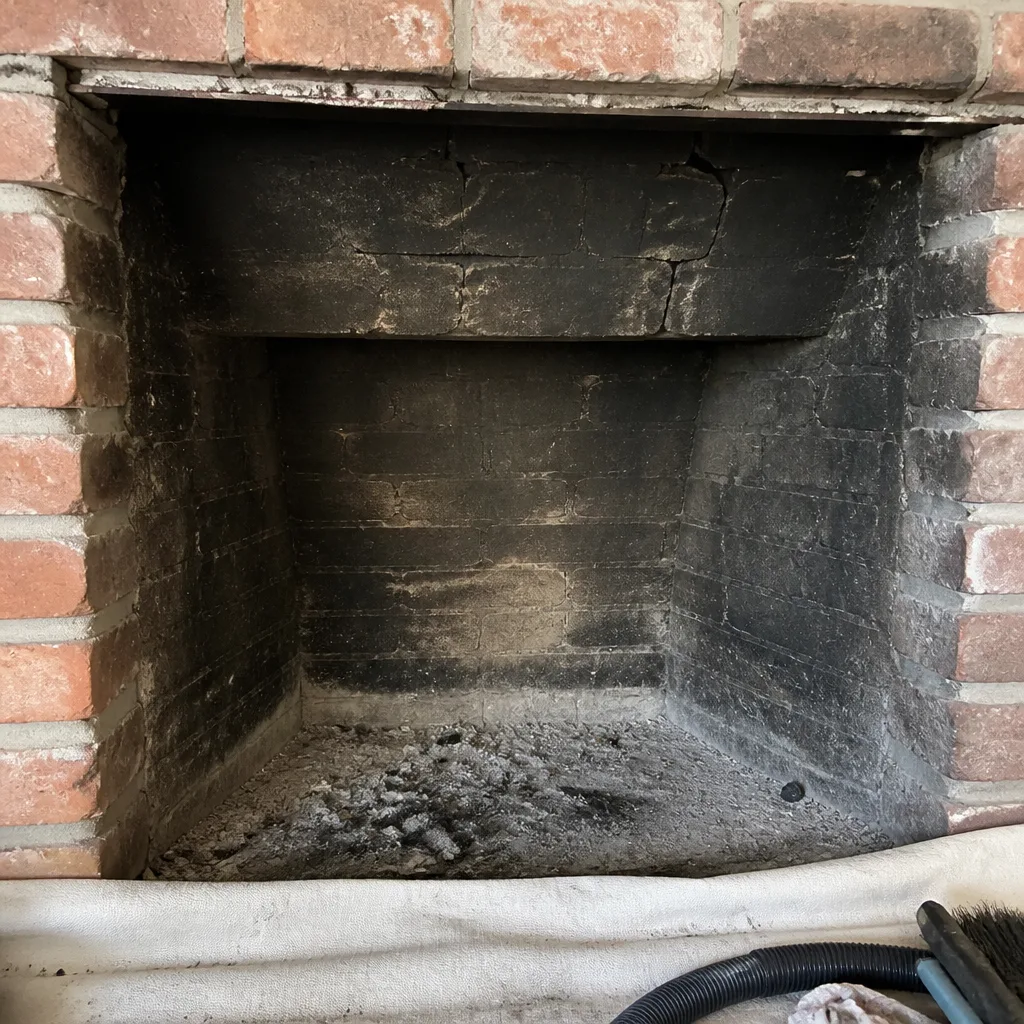 Before
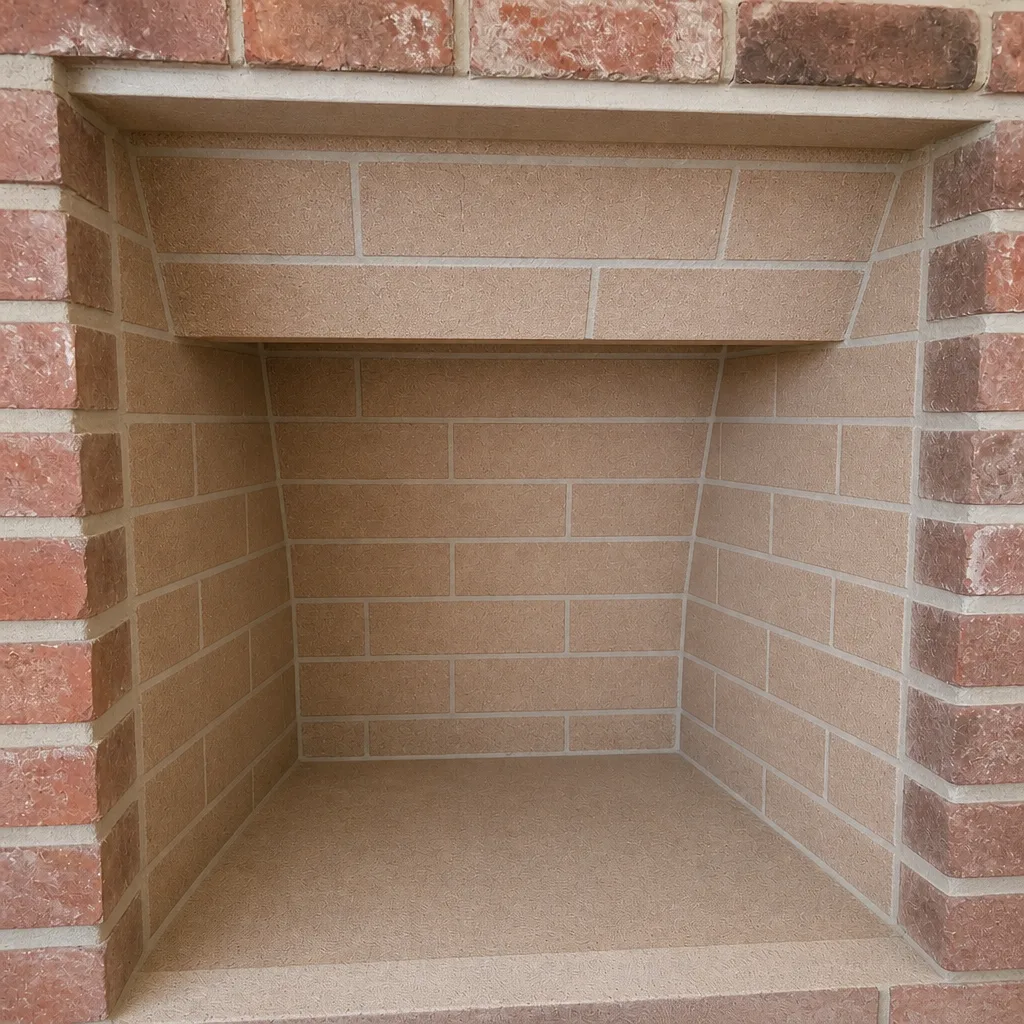 After
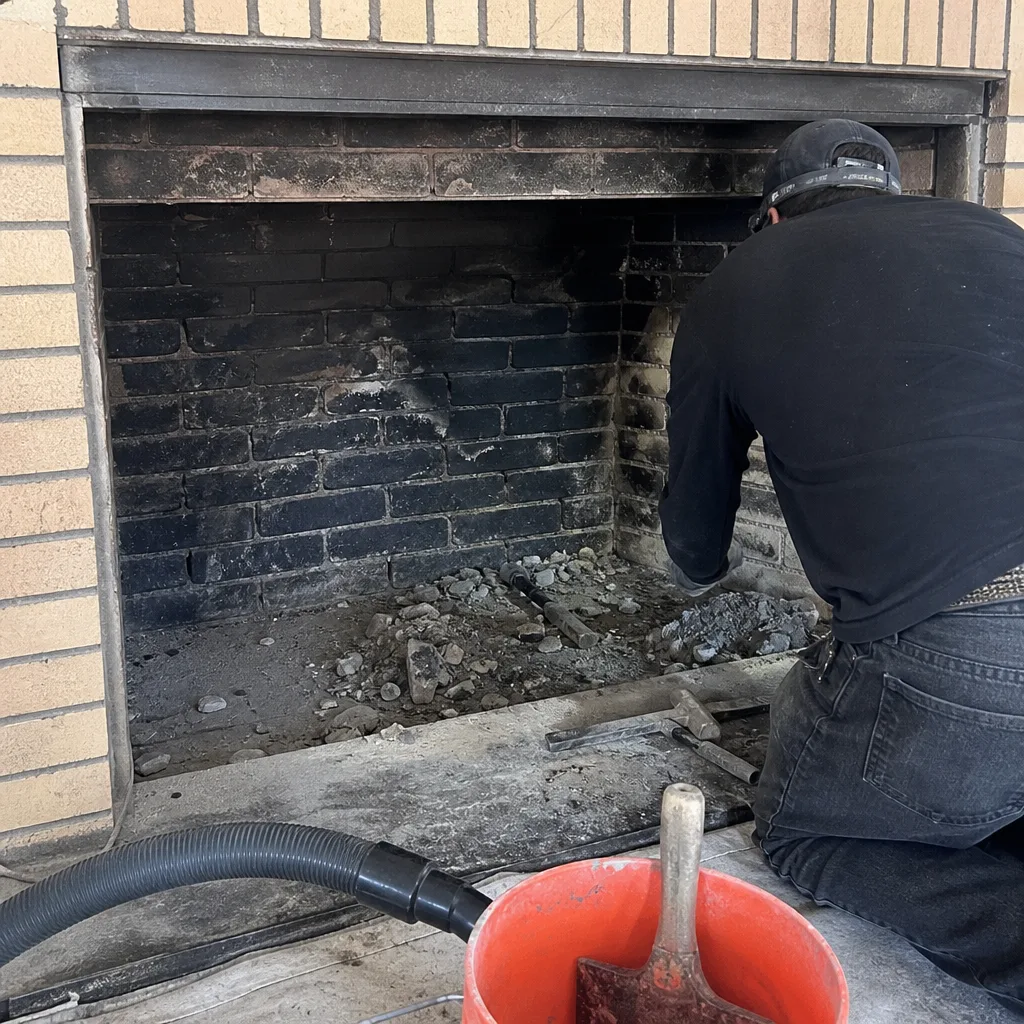 Before
 After
 Before
 After